Everlasting Essential Oil Connects us to Our Immortality

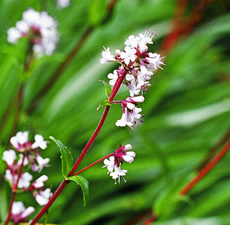
Helichrysum italicum "everlasting". pic via calphotos.berkeley.edu

Helichrysum italicum “everlasting”. pic via calphotos.berkeley.edu

Aw this cute little daisy comes from the Asteraceae family along with the chamomiles, sunlfowers, safflower, marigold, globe artichoke, echinacea and chrysanthemum among many others. Also referred to as “immortelle”, can you guess what this essential oil is good for ? Immortality and the fountain of youth spring to mind when I think of everlasting, it’s great for skin and has many other benefits.

I was very excited to get a new bottle delivered the other day. It has a sweet, honey-like aroma with undertones of spice. Sometimes called the “curry plant”, everlasting does have a complex scent, maybe with a hint of curry – but don’t let that put you off. A few drops of this beautiful oil may be all you need to electrify and bend and add depth and sweetness to the scent. You may find everlasting n a 3% blend (see my article for more info on 3% blends in jojoba) or on it’s own but it will be more expensive this way.
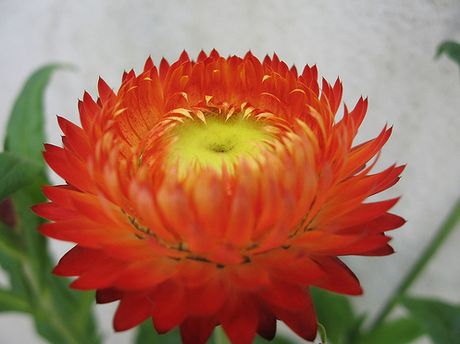
Helichrysum bracteatum - essential oil does not come from this Helichrysum but you may recognise this flower from your local florist

Helichrysum bracteatum – essential oil does not come from this Helichrysum but you may recognise this flower from your local florist

In aromatherapy today everlasting is used for:

– formulations in skincare to promote cell growth and act as an anti-inflammatory agent

– as a stimulant to the lymphatic system to aid lymphatic drainage and therefore allow the skin to expel toxins more efficiently

– aiding the symptoms of dermatitis and excema

– diminishing scar tissue

– healing wounds

– coughs, coughing and asthma

– according to Salvatore Battaglia (The Complete Guide to Aromatherapy) everlasting is great for liver inflammation and the organs of the gall bladder, spleen and kidneys  – all the organs helping in detoxification of the body. We can see how this relates to lymphatic drainage too.

infinity

infinity = immortality

I use everlasting energetically as a way to connect us to our immortality. The Fountain of Youth lives within us if we are able to see we are simply a manifestation of the energy of our spirits. Our souls will return to the oneness of the universe when our mortal bodies fade away. It’s seems so poetic to use the french word ‘immortelle’ for this beautiful oil, and I encourage you to use it with this thought in mind.

 The Fountain of Youth by Lucas Cranach the Elder. pic via en.wikipedia.com

The Fountain of Youth by Lucas Cranach the Elder c 1546  pic via en.wikipedia.com

Here a a few recipes for our sweet immortelle:

1. Nourishing Body Oil Blend

For a coat of your body use 3 teaspoons of carrier oil in a little dish and, add 7 – 8 drops of essential oil.

***** Always put the drops of essential oil into the bottle or dish first, then add the carrier oil. It gives the scents time to create a synergistic fusion.

For a 50ml bottle of oil add 25 drops and see my articles “Ratios for Blending Essential Oils – A Reminder of the Basics” and  “Aromatherapy – It’s Easy as 1 2 3”

“Sophia Loren”

Be as beautiful as this amazing lady who has said the Fountain of Youth lies in your creativity-

Everlasting 3%        12 drops

Rosewood                3 drops

—————————————————————————————————————————————

“Immortality”

Enjoy life in this moment for it will change form soon –

Everlasting 3%        9 drops

Sage                       1 drop

Pink Grapefruit         4 drops

—————————————————————————————————————————————-

“50 is the New 30”

Be young through the expression of your unique qualities, and youthful looking skin –

Everlasting           9 drops

Palmarosa            3 drops

Lavender             2 drops

—————————————————————————————————————————————

Happy blending and remember to use your intention when you are creating your formulas. See my article about intention.

copyright suzannerbanks 2013

Spikenard – an Essential Oil with a Rich History and a Heady Scent

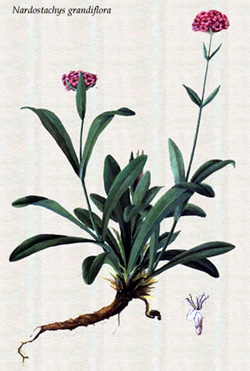
Nardostachys grandiflora or Nardostachys jatamansi pic via www.medievalcookery.com

Nardostachys grandiflora or Nardostachys jatamansi pic via http://www.medievalcookery.com

In a recent article I included spikenard in one of my recipes – see The Hierophant – A Tarot Card Reading with Essential Oils. It is commonly called spikenard, nard and the Indian name jatamansi (which is what I call it in my mind).

When I posted the link on my Facebook page one of my friends read the article (thanks Jason), and wanted to know more about this oil. My brief comments went something like this:

It’s an oil of the bible and the story is that Mary used this to bathe Jesus feet, and it was said to cost as much as a year’s wages. It has history in other religions and appears connected to the first and second Temples of Jerusalem. Used in Ayurveda it’s great for healing and a deep connection to spirit.

So that is a quick look at the oil and I thought I’d elaborate because it’s so amazing. This is a strong oil and belongs to the same family as Valerian, Valerianaceae. I must say I’ve never used Valerian oil in my practice, as even the scent of Valerian tea is super strong and if you’ve ever taken an herbal sleep formula with Valerian, you can smell it as soon as you open the bottle!

So spikenard has the same deep, base, intensity that valerian has, and also the vetiver root (even though vetiver is more like a grass). As with vetiver oil, the rhizomes of the spikenard plant hold the essential oil. It’s sweet, heavy and almost syrupy as it flares out of the bottle. One or two drops is enough in any formula to invoke the meta-physical properties of the oil, and to bring an oil blend together and give it substance.

spikenard flower - pic via www.rkessentialoil.com

spikenard flower – pic via http://www.rkessentialoil.com

As with many essential oils, the plants have been used for centuries for both healing and  religious and spiritual ceremonies. We are relying on ancient texts to illuminate us on the uses of these plants and also the scholars who translate them. It is always fascinating to me that thousands of years ago great healers knew what the plants were good for even though they had no scientific means of measuring their components. So is this intuition, trial and error, or a combo of both? However we look at it, it is a gift from the universe and our modern medicine would be nowhere today without this ancient knowledge.

There is so much to write about here I’ll just touch on the most interesting references to this oil. Said to have been used in the Temple of Solomon, the First Temple of Jerusalem (circa 800 BC)  and the Second temple (circa 530 BC onward to about 70 BC), in the incense called Ketoret mentioned n the Hebrew Bible and other texts. Ketoret is also very similar to the Egyptian incense called kyphi too which was recorded in the Pyramid texts dating back to 2300BC. Also talked about in the Bible, as mentioned above, this plant was used in Greek and Roman healing and ceremonies, and even used in medieval cookery. And as jatamansi, it’s been used in Ayurveda for thousands of years too, especially for grounding Vata, helping digestion and and as a heart tonic.

spikenard - pic via www.aroma-pure.com

spikenard – pic via http://www.aroma-pure.com

Ok so what is spikenard used for in modern Aromatherapy?

* as a calming tonic for someone freaking out (as is valerian and vetiver)

* to induce sleep

* to act as a calming digestive tonic

* as a wound healing oil by acting as a anti-bacterial agent and also an anti-inflammatory

* as an oil for meditation to induce a soothing, calming energy to connect to higher consciousness

* as a base oil to bring an oil blend together

* to stimulate hormone production

* for mature and dry skins

When you use this oil, use it sparingly like you would do with Vetiver. The secrets of the universe are encoded in every drop of oil!

copyright suzannerbanks 2013

Palmarosa – Soft Skin and Happiness

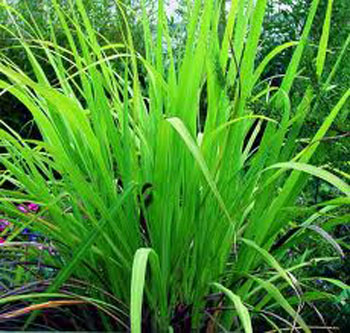
palmarosa pic via choicehealthmag.com

palmarosa pic via choicehealthmag.com

I’ve used this lovely oil with clients a few times in the past couple of weeks. It blends well with so many oils and adds a green, fresh and slightly rosey scent to a formula. This is a relative newcomer to aromatherapy and doesn’t really have a rich colourful history like the spice oils, but is a wonderful addition to a collection. This gorgeous grass originally hails from India and is sometimes known as East Indian geranium. It’s also grown in Madagascar and the Comoro Islands. Although I can’t really find out a lot about this lovely oil I assume, like lemongrass, it has been used in India as a part of their Ayurvedic lifestyle and natural way of treating disorders in the body.

Palamarosa (Cymbopogon martini) is a grass like lemongrass and citronella, and belongs to the same family – Graminae (or Poaceae). This is the family of ‘true grasses”. There’s also a gingergrass plant that creates an essential too, and that is quite close to palmarosa as it is a variation of the plant – Cymbopogon martini var. sofia. One of my suppliers offers gingergrass oil and although I don’t use it therapeutically is has a beautiful soft scent. Maybe I’ll do a story on that oil soon.

Back to palmarosa – which is an oil often used in cosmetics and soaps to enhance the scent and add an inexpensive rose scent to the product.

Rosa centifolia - another rose used to make essential oil

Rosa centifolia

I’ve always used palmarosa as a skin conditioning oil and one of it’s main components is geraniol so that may give you a hint too, as geranium is a great oil for the skin. However it’s interesting to note that geranium only contains about a third of the amount of geraniol than palmarosa! And while we are on the geraniol track, lemongrass has a high content of geranial – a different molecule with slightly different carbon bonds (with a similar function).

In aromatherapy today palmarosa is used for

* hydrating the skin and hair

* as a stimulant for skin cell growth therefore working well on scar tissue and the uneven appearance of skin

* as a tonic to the digestive system

* as an insect repellent – just like lemongrass and citronella

* I use it as an oil for happiness and for flexibility in the emotions and thoughts

Try these combo’s –

Scent your space

Scent your space

1. Scent Your Space

In a traditional oil burner with a candle or a diffuser add 25 drops of oil

“Aperitif”

Get your house in the mood for a lovely dinner

Palmarosa      10 drops

Mandarin         8 drops

Juniper            7 drops

—————————————————————————————————————————————

“I’m Going to be Flexible on this Issue”

Palmarosa      8 drops

Rosemary       5 drops

Geranium       5 drops

Siberian Fir     7 drops

—————————————————————————————————————————————

nourish your skin with oil blends

peru balper nourish your skin with oil blends

2. Nourishing Body Oil Blend

For a coat of your body use 3 teaspoons of carrier oil in a little dish and, add 7 – 8 drops of essential oil.

***** Always put the drops of essential oil into the bottle or dish first, then add the carrier oil. It gives the scents time to create a synergistic fusion.

For a 50ml bottle of oil add 25 drops and see my articles “Ratios for Blending Essential Oils – A Reminder of the Basics” and  “Aromatherapy – It’s Easy as 1 2 3”

“Sweet and Soft”

Soften up your skin and add a little sweetness –

Palmarosa      3 drops

Peru Balsam   3 drops

Lavender       2 drops

—————————————————————————————————————————————

“Gettin’ Vibed Up”

An oil blend to refresh and send you into the day with gusto –

Palmarosa     2 drops

Cinnamon     2 drops

Lemon          2 drops

—————————————————————————————————————————————

Happy blending and remember to use your intention when you are creating your formulas. See my article about intention.

copyright suzannerbanks 2013