10 Recipes with Petitgrain Essential Oil – Citrus aurantium v amara

Please check out my new book REVELATION! – Reveal Your Destiny with Essential Oils

Barnes & Noble      Booktopia AU      Amazon UK

and many other stores worldwide as a Kindle and Paperback


10 Recipes with Petitgrain Essential Oil – Citrus aurantium v amara
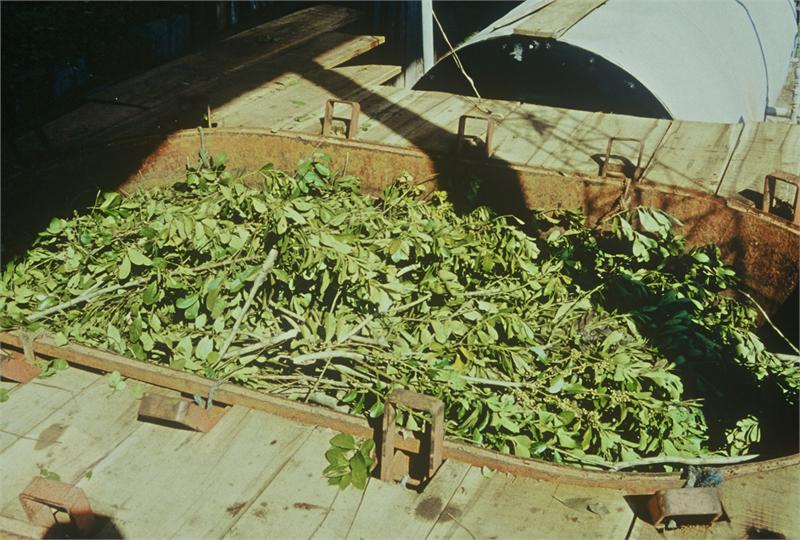
 

The leaves and twigs ready to be distilled into petitgrain oil

The leaves and twigs ready to be distilled into petitgrain oil

Ah beautiful, fresh petitgrain. This is one of my favourite oils along with neroli. They are produced from the same tree, but petitgrain comes from the leaves and twigs of the bitter citrus tree, whereas neroli is made from the gentle blossoms.

In my book “Revelation! Reveal Your Destiny with Essential Oils”,  I classify petitgrain as an oil of happiness with the keyword “potentiality”. It has a green citrus and almost spicy scent but is also fresh and clean. It is one of the scents in Eau de Cologne and is used in Aromatherapy as an oil to counteract depression and anxiety.

Here are some recipes:

Anoint yourself with pure essential oil blends

Anoint yourself with pure essential oil blends

1. Pure Pulse Point Perfume

In a little dish mix these oils and anoint your pulse points or chakras – 3 drops of essential oils and dilute with a few drops of carrier oil – always patch test first!

“Springtime Bliss”

Petitgrain       2 drops

Geranium       1 drop


“Awakening”

Petitgrain        1 drop

Nutmeg          1 drop

Lemon            1 drop


“Creativity +”

Petitgrain        1 drop

Clary Sage      1 drop

Lemongrass    1 drop


Love and Kisses

Petitgrain      2 drops

Rose 3%      2 drops

Petitgrain tree

Petitgrain tree

2. Personal Aura Cleansing Mist & Room Mist

In a 50ml mist bottle filled with water add 25 drops of oil

(depending on the packaging you have, you may need to use a little alcohol -like vodka- at the bottom of your bottle first, so the oils disperse into smaller drops to prevent clogging the atomiser top. I’ve found sometimes it works just with water, and sometimes it doesn’t – very annoying!)

“Love and Light”

Petitgrain      10 drops

Palmarosa     8 drops

Lavender       7 drops


“Fresh and Bright”

Petitgrain       8 drops

Cypress         7 drops

Lemongrass   6 drops

Basil               4 drops


“Contemplate”

Petitgrain             10 drops

Frankincense         8 drops

Indian Rosewood   7 drops


“Happy Kids”

Petitgrain        8 drops

Mandarin        8 drops

Peru Balsam  9 drops



Salt scrub - pic via themethuselahcenter.com

Salt scrub – pic via themethuselahcenter.com

3. Skin Scrub

Use a cup of fine sea salt, add some unperformed lotion, or some carrier oil, mix into a paste and then add your essential oils (about 5 drops, or a few more). You’re ready to scrub under the shower or in the bath, but remember to be gentle! If you use the scrub while standing in the bath you can then soak in the salt and oils too. When you shower scrub most of it gets wasted.

“Alive”

Petitgrain     3 drops

Patchouli     1 drops

Peppermint  1 drops


“Soothe”

Petitgrain     2 drops

Lavender      2 drops

Ylang Ylang  2 drops


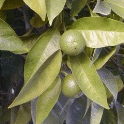
The "little grain" bitter citrus fruit - pic via tambela.com

The “little grain” bitter citrus fruit – pic via tambela.com

Happy blending and remember to use your intention when you are creating your formulas. See my article about intention.

copryright SR Banks 2015


Dalbergia sissoo I MUST Have You!

Please check out my new book REVELATION! – Reveal Your Destiny with Essential Oils

Amazon USA      Booktopia AU      Amazon UK


 Dalbergia sissoo I MUST Have You!

The gorgeous tree Dalbergia sissoo - pic via www.mswn.com

The gorgeous tree Dalbergia sissoo – pic via http://www.mswn.com

While searching for supplies of Rosewood essential oil – Aniba roseaodora, I found this!

Called Indian Rosewood, it

“is an evergreen rosewood tree, also known as sisu, sheesham, tahli, Tali and also Irugudujava. It is native to the Indian Subcontinent and Southern Iran. In Persian, it is called Jag. It is the state tree of Punjab state (India) and the provincial tree of Punjab province (Pakistan).” Wikipedia

I’m a bit excited because I didn’t know an essential oil was produced from this tree and it’s the first essential oil that I know of that comes from a plant in the “Fabaceae” family and the Dalbergia genus. This family is the legume or pea family of trees, and is the 3rd largest family of plants on earth. It is found in tropical and subtropical climates and is widely distributed in Pakistan and India, Iraq, Afghanistan and even Kenya and Tanzania.


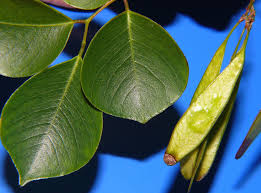
The leaf and pod of Sissoo

The leaf and pod of Sissoo

The scent is quite similar to Rosewood, and what makes this essential oil so important is that Aniba roseaodora is still under threat, and supplies of the oil and wood are severely limited. To read more about Rosewood see my article “Rosewood – A Story of Ecology and Conservation”. While we are waiting for sustainable Rosewood trees to mature, this Indian Rosewood can be the savior.

The most information I can find out about the typical analysis of the essential oil of Indian Rosewood is that it is high in linalool, which is found in many plants and essential oils including lavender, basil, cinnamon and palmarosa just to name a few. It usually lends a floral scent to an oil, but of course that is an over simplification. So we can assume this Indian Rosewood is relaxing and could be used in place of traditional Brazilian Rosewood.

The scent is a little spicier than Rosewood, but has very similar sweet, rosey notes too.

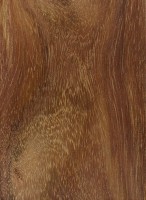
The heartwood - pic via wood-database.com

The heartwood – pic via wood-database.com

I’ve also found an interesting database for woods which includes Dalbergia sissoo, which  lists lots of other Dalbergia plants too. Many of the other related species are from tropical climates all over the world. Check it out here.

I have also found an article on the various medicinal uses of the plant which include:

* using the crushed leaf in boiling water to remove dandruff – Pakistan

* leaf juice used for eye and skin ailments in Ayurveda

* again the juice of the leaf proved to be anti-inflammatory and analgesic

Check out more info “DALBERGIA SISSOO DC AN IMPORTANT MEDICINAL PLANT”.

I am reluctant to give you recipes until I’ve used the oil myself, but in the meantime, get excited! I’m looking forward to talking more about this oil in the future.

Thanks scent lovers!

copryright SR Banks 2014