Cedarwood Virginiana Has a Secret!

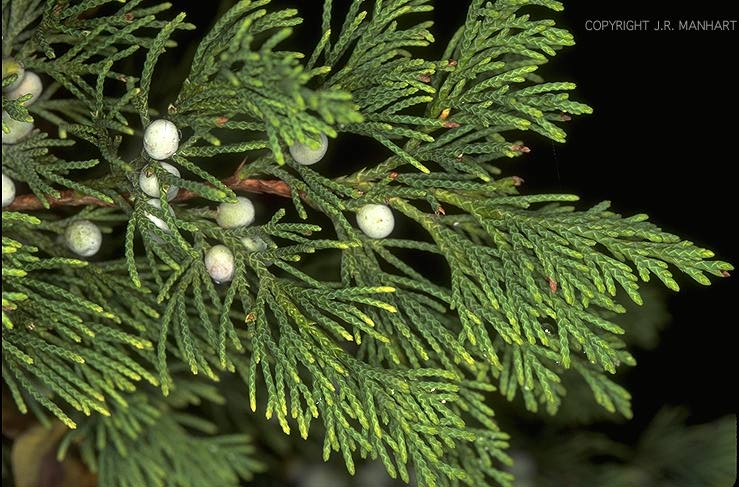
Cedarwood virginiana - pic via botany.csdl.tamu.edu

Cedarwood virginiana – pic via botany.csdl.tamu.edu

Cedarwood Virginiana has a secret – it’s a juniper tree! It’s botanical name is Juniperus virginiana but in Aromatherapy today it’s referred to as a cedarwood. I’ve always seen this tree and oil referred to as cedarwood and perhaps it’s because this native to North America is commonly called Red Cedar and/or Aromatic cedar, and a few other names too! It is from the Cupressacae family and the Juniperus genus whereas Cedarwood Atlas (Cedrus atlantica), for example, is from the Pinacae family and the Cedrus genus. Himalayan cedarwood (Cedrus deodora) is from the Pinacae family and the Cedrus genus too.

So back to our Cedarwood Virginiana. You can see by the pic above it has berries like a juniper tree, and leaves like a cypress, but the oil is very different from juniper essential oil and cypress essential oil. This essential oil is thick and creamy and smells like it could easily come from a wood, but also carries a very cleansing energy about it like juniper. I think in my very early days of aromatherapy I blended this oil like it was a basey wood and was never disappointed with the results. I’ve even read a description of the scent of this oil as “pencil- like” and it is also referred to as a pencil cedar , as the heartwood has been used to make lead pencils.

Eastern Red Cedar pic via www.realchristmastrees.org

Eastern Red Cedar pic via http://www.realchristmastrees.org

In Native American medicine this common tree has been used for respiratory infections and other ailments including arthritis and rheumatism, skin disorders and as a treatments for venereal infections (according to Salvatore Battaglia).

In Aromatherapy today Cedarwood Virginiana is used –

* as a treatment for oily and acne skin

* as a treatment for other skin conditions like psoriasis and dermatitis

*  as a soothing treatment for coughs and colds and as an expectorant

* to induce more spiritual connectedness

* as a space/energy cleanser

I’ve always loved using this oil so check out some simple recipes –
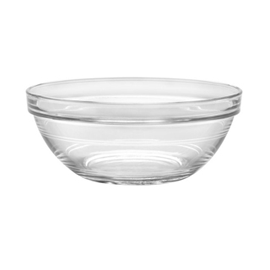
The classic Duralex glass dish is handy to make oil blends and quick perfumes in

The classic Duralex glass dish is handy to make oil blends and quick perfumes in

1. Pure Pulse Point Perfume

In a little dish mix these oils and anoint your pulse points or chakras – 3 drops of essential oils and dilute with a few drops of carrier oil

“Psychic Awareness”

Open your upper chakras –

Cedarwood Virginiana   2 drops

Mandarin                       1 drop

—————————————————————————————————————–

“A New Start”

Cleanse and refresh you attitude –

Cedarwood Virginiana 1 drop

Lemon                         1 drop

Rose Geranium            1 drop

——————————————————————————————————————

“And… Breathe!”

Take a quite moment for yourself –

Cedarwood Virginiana    1 drop

Roman Chamomile 3%  3 drops   * see my article for more info on 3% blends in jojoba

——————————————————————————————————————

Nourish your body with a beautiful oil blend - pic via redbookmag.com

Nourish your body with a beautiful oil blend – pic via redbookmag.com

2. Nourishing Body Oil Blend

For a coat of your body use 3 teaspoons of carrier oil in a little dish and, add 7 – 8 drops of essential oil.

***** Always put the drops of essential oil into the bottle or dish first, then add the carrier oil. It gives the scents time to create a synergistic fusion.

For a 50ml bottle of oil add 25 drops and see my articles “Ratios for Blending Essential Oils – A Reminder of the Basics” and  “Aromatherapy – It’s Easy as 1 2 3”

“Classic”

This is my go-to classic body oil blend –

Cedarwood Virginiana   2 drops

Orange                          4 drops

Lavender                       2 drops

——————————————————————————————————————

“Give Me Strength”

A warming blend for courage and physical strength –

Cedarwood Virginiana  2 drops

Bergamot                     3 drops

Rosewood                   3 drops

——————————————————————————————————————

Happy blending and remember to use your intention when you are creating your formulas. See my article about intention.
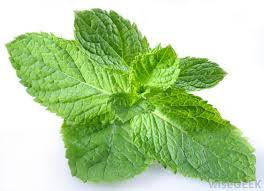
Peppermint Oil! An Oldie but a Goodie!

Ah lovely peppermint - pic via thebodyhut.com.au

Ah lovely peppermint – pic via thebodyhut.com.au

Peppermint essential oil is usually Mentha piperita and comes from the family Lamiacae, and the genus Mentha. A supplier of mine also offers Mentha arvensis, but really when it comes down to it the variations won’t make a huge difference to the therapeutic value for most users of oils.This family also holds many herbs like lavender, sage, marjoram, patchouli, oregano, thyme and many others. It seems as though this family of plants has been around for thousands of years going back to, at least, the Romans, the Greeks, and it is even recorded in Egyptian records. These are hardy herbs and have wonderful medicinal properties.

Please see my article Essential Oils from Herbs are Spectacular for a more comprehensive list of healing herbs. I’ll be concentrating on these herbs over the next few weeks so stay tuned.

Peppermint lollies - pic via health.com

Peppermint lollies – pic via health.com

Peppermint essential oil is one of the most used oils in the world and this is because it’s use in food flavourings. Peppermint lollies are sweet, cute and fun and for all these reasons I also see peppermint essential oil as an oil of happiness. It appeals to many people, both young and old and is an easily accessible and inexpensive oil.

A typical analysis of peppermint oil shows it is high in menthol and menthane, and these constituents are the ones that give peppermint its heat. Funnily enough this warmth or heat actually translates to a cool feeling, and peppermint could be considered and anti-inflammatory oil.

Peppermint oil is used in aromatherapy today –

* as an antidote for nausea and travel sickness

* to help calm symptoms of irritable bowel (via products that contain peppermint oil)

* as a pain relief for muscles and nerve pains

* as a decongestant for the sinuses


Most people love peppermint - pic via www.milkandhoneyherbs.com

Most people love peppermint – pic via http://www.milkandhoneyherbs.com

I use peppermint oil –

* in a steam inhalation to relieve a headache (it really works well) and sinus headaches and pain

* and in any blend of oils to relieve pain – menstrual pain, muscle pain, aching limbs, arthritis pain

I would not use peppermint oil in many body oils, but I have added it to a blend for a client with psoriasis and eczema and it seems to cool her itchy skin.

Peppermint is good for pain!

It’s also great to clear your mind, wake you up and to make you feel refreshed. It will even do that when you have a good quality mint in your mouth.

Try these recipes –

Take a huge whiff to change your focus in seconds

Take a huge whiff to change your focus in seconds

1. Open The Bottle and Take a Huge Whiff

Peppermint will help with a headache, sinus congestion and a tired mind.

2. Nourishing Body Oil Blend

For a coat of your body use 3 teaspoons of carrier oil in a little dish and, add 7 – 8 drops of essential oil.

***** Always put the drops of essential oil into the bottle or dish first, then add the carrier oil. It gives the scents time to create a synergistic fusion.

For a 50ml bottle of oil add 25 drops and see my articles “Ratios for Blending Essential Oils – A Reminder of the Basics” and  “Aromatherapy – It’s Easy as 1 2 3”

“Calm Down”

For itchy skin or even an irritable feeling –

Peppermint   1 drop

Lavender       4 drops

Patchouli       2 drops

—————————————————————————————————————–

5. Scent Your Space

In a traditional oil burner with a candle or a diffuser add 25 drops of oil

“Happy la la”

Clear the air and make room for some happy vibes –

Peppermint        8 drops

Orange             17 drops

——————————————————————————————————————

Happy blending and remember to use your intention when you are creating your formulas. See my article about intention.

copyright suzannerbanks 2013


Hello Black Spruce, Where Have You Been All My Life?

Black spruce pc via essentialhealth.com

Black spruce pic via essentialhealth.com

Picea mariana (black spruce) is a species of spruce native to northern North America, from Newfoundland to Alaska, and south to northern New York, Minnesota and central British Columbia, in the biome known as taiga or boreal forest.”  Wikipedia

I’ve just used black spruce in a body wash with some other oils – simply because I had in my oil collection and never used it before. And now of course, I can’t live without it! Described as Canada’s best kept secret the scent of this oil is divine. It’s not nearly as brash as pine, but more herbaceous and green than fir (although they do smell quite similar). It is quite enchanting, warming and soft and I want to use it every day now. It’s from the Pinaceae family like these other trees and so displays some common characteristics.

A typical analysis of Black spruce essential oil is hard to find and I’ve been searching for ages. I have found a couple of MSDS’s (Material Safety Data Sheet) and many aromatherapy websites that seem to be regurgitating the same few lines. A website named Stillpoint Aromatics seems to have more specific info and claims;

“Black Spruce Essential Oil is rich in monoterpenes that give this oil its anti-inflammatory and analgesic therapeutic effects. It also is high in camphene, a monoterpene known for its mucolytic and respiratory benefits. The other chemical component of significant value, bornyl acetate, has multiple therapeutic values. It is what gives Black Spruce not only added analgesic and anti-inflammatory properties, but the energetic and emotional support for calming and sedating.”
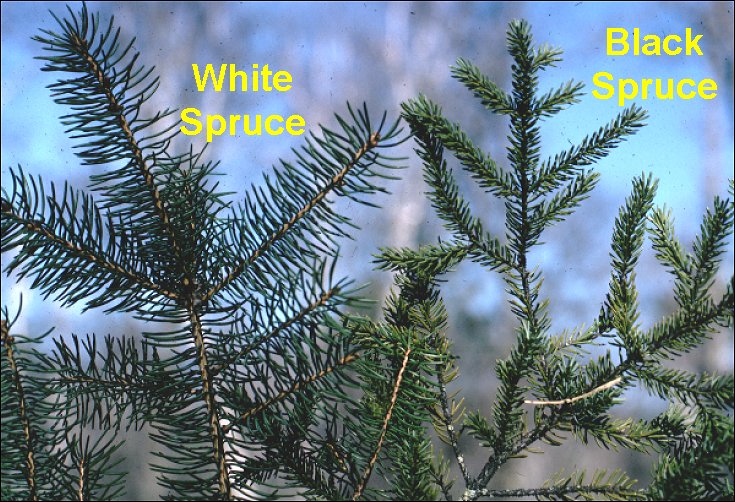
Black and White Spruce trees pic via uptreeid.com

Black and White Spruce trees pic via uptreeid.com

I still haven’t found a complete chemical breakdown on this oil (it’s called A Typical Analysis) so it’s hard for me to say specifically what this beautiful oil could be used for but it’s clear to me that just one whiff of this oil is very clarifying. I would treat this oil as an expansive oil for the third eye chakra and a great way to connect to your abundance. I’ve always thought of pine oil as an oil of abundance as so I would include this lovely black spruce, fir and other conifers in this metaphysical section too.

If the above description is correct, sounds like this oil is great for sore muscles, and what we would expect from a tree like this –  help with breathing and breaking down mucous in the respiratory system. So yay for Black spruce!

A personal mist is easy to make! pic via ebay.com.au

A personal mist is easy to make! pic via ebay.com.au

So let’s get into some recipes –

1. Personal Aura Cleansing Mist & Room Mist

In a 50 ml mist bottle filled with water add 25 drops of oil

“Ain’t No Mountain High Enough”

Believe!

Black Spruce  10 drops

Lavender          5 drops

Orange           10 drops

————————————————————————————————————————————–

“Meditation”

Clarify and cleanse your mind –

Black Spruce    8 drops

Frankincense    8 drops

Rosewood       9 drops

————————————————————————————————————————————–

The classic Duralex glass dish is handy to make oil blends and quick perfumes in

The classic Duralex glass dish is handy to make oil blends and quick perfumes in

2. Pure Pulse Point Perfume

In a little dish mix these oils and anoint your pulse points or chakras – 3 drops of essential oils and dilute with a few drops of carrier oil – always patch test first!

“Multiverse”

Go beyond this universe into other dimensions –

Black Spruce 1 drop

Rose 3%       3 drops      * see my article for more info on 3% blends in jojoba

————————————————————————————————————————————–

“I Am”

Just ‘be’ –

Black Spruce                2 drops

Sandalwood Australian 1 drop

————————————————————————————————————————————–

Happy blending and remember to use your intention when you are creating your formulas. See my article about intention.

copyright suzannerbanks 2013

Everlasting Essential Oil Connects us to Our Immortality

Helichrysum italicum "everlasting". pic via calphotos.berkeley.edu

Helichrysum italicum “everlasting”. pic via calphotos.berkeley.edu

Aw this cute little daisy comes from the Asteraceae family along with the chamomiles, sunlfowers, safflower, marigold, globe artichoke, echinacea and chrysanthemum among many others. Also referred to as “immortelle”, can you guess what this essential oil is good for ? Immortality and the fountain of youth spring to mind when I think of everlasting, it’s great for skin and has many other benefits.

I was very excited to get a new bottle delivered the other day. It has a sweet, honey-like aroma with undertones of spice. Sometimes called the “curry plant”, everlasting does have a complex scent, maybe with a hint of curry – but don’t let that put you off. A few drops of this beautiful oil may be all you need to electrify and bend and add depth and sweetness to the scent. You may find everlasting n a 3% blend (see my article for more info on 3% blends in jojoba) or on it’s own but it will be more expensive this way.

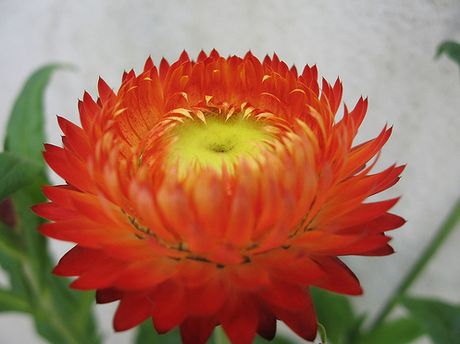
Helichrysum bracteatum - essential oil does not come from this Helichrysum but you may recognise this flower from your local florist

Helichrysum bracteatum – essential oil does not come from this Helichrysum but you may recognise this flower from your local florist

In aromatherapy today everlasting is used for:

– formulations in skincare to promote cell growth and act as an anti-inflammatory agent

– as a stimulant to the lymphatic system to aid lymphatic drainage and therefore allow the skin to expel toxins more efficiently

– aiding the symptoms of dermatitis and excema

– diminishing scar tissue

– healing wounds

– coughs, coughing and asthma

– according to Salvatore Battaglia (The Complete Guide to Aromatherapy) everlasting is great for liver inflammation and the organs of the gall bladder, spleen and kidneys  – all the organs helping in detoxification of the body. We can see how this relates to lymphatic drainage too.

infinity

infinity = immortality

I use everlasting energetically as a way to connect us to our immortality. The Fountain of Youth lives within us if we are able to see we are simply a manifestation of the energy of our spirits. Our souls will return to the oneness of the universe when our mortal bodies fade away. It’s seems so poetic to use the french word ‘immortelle’ for this beautiful oil, and I encourage you to use it with this thought in mind.

 The Fountain of Youth by Lucas Cranach the Elder. pic via en.wikipedia.com

The Fountain of Youth by Lucas Cranach the Elder c 1546  pic via en.wikipedia.com

Here a a few recipes for our sweet immortelle:

1. Nourishing Body Oil Blend

For a coat of your body use 3 teaspoons of carrier oil in a little dish and, add 7 – 8 drops of essential oil.

***** Always put the drops of essential oil into the bottle or dish first, then add the carrier oil. It gives the scents time to create a synergistic fusion.

For a 50ml bottle of oil add 25 drops and see my articles “Ratios for Blending Essential Oils – A Reminder of the Basics” and  “Aromatherapy – It’s Easy as 1 2 3”

“Sophia Loren”

Be as beautiful as this amazing lady who has said the Fountain of Youth lies in your creativity-

Everlasting 3%        12 drops

Rosewood                3 drops

—————————————————————————————————————————————

“Immortality”

Enjoy life in this moment for it will change form soon –

Everlasting 3%        9 drops

Sage                       1 drop

Pink Grapefruit         4 drops

—————————————————————————————————————————————-

“50 is the New 30”

Be young through the expression of your unique qualities, and youthful looking skin –

Everlasting           9 drops

Palmarosa            3 drops

Lavender             2 drops

—————————————————————————————————————————————

Happy blending and remember to use your intention when you are creating your formulas. See my article about intention.

copyright suzannerbanks 2013

Clove – A Healing Oil and Spice

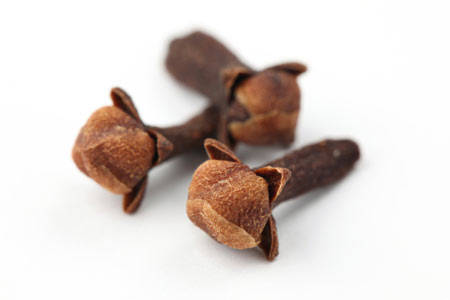
Cloves - interesting little things pic via articles.timesofindia.indiatimes.com

Cloves – interesting little things pic via articles.timesofindia.indiatimes.com

Aw look at these cute little things! They are classified as “calyxes” and come from a larger pod from an evergreen tree hailing from Indonesia, Sri Lanka and probably India too and other tropical islands like Madagascar. Originally they were only found on the “spice islands”  The Maluku Islands or Moluccas, and were traded worldwide in the 1600’s and  1700’s by the Dutch East India Company. They are basically part of the flower and when we get the clove it has been dried. This tree belongs in the same family as eucalyptus another scented tree along with guava and feijoa too!

By now you would have caught on to the fact that spices have a rich interesting history and clove is no exception. The Greeks and Romans used the clove bud as did ancient Chinese medicine where they were used as a warming tonic, and a stress relief treatment also great for high blood pressure. Records even show the use of cloves in 3BC in China where they were chewed to freshen the breath. In Ayurveda cloves are used for swelling, nausea and to help prevent colds.

We all love a good story and Wikipedia claims

“… the clove trade is also mentioned by Ibn Battuta and even famous One Thousand and One Nights characters such Sinbad the Sailor is known to have bought and sold cloves.”

Go Sinbad!  Arrrrrrrrr the spice trade of the high seas!

So now we come to modern aromatherapy and the use of clove oil today. Even if you haven’t used it yourself, you may now of clove oil’s use in reducing dental pain. It has an analgesic effect and I often put some clove oil in a formula for a client if they are experiencing physical pain.

Clove buds on the tree pic via namastenutritionist.com

Clove buds on the tree pic via namastenutritionist.com

* It is great to reduce swelling and inflammation in arthritis and in muscles too.

* Vapourised to kill air-born germs to prevent the spread of viruses – due to its high content of eugenol which is a strong antiseptic. Eugenol is also found in cinnamon, allspice, bay, basic, rose, jasmine, and carnation plants and oils.

* As a warming tonic to the souls who is unhappy or depressed

* As a calming agent to the digestive system

Clove is one of those oils that you don’t want to overdo so be mindful when blending. Try these recipes –

sniffing bottle of oil

sniffing bottle of oil

1. Open The Bottle and Take a Huge Whiff

Clove – relax, unwind, calm nausea, warmth

2. Nourishing Body Oil Blend

For a coat of your body use 3 teaspoons of carrier oil in a little dish and, add 7 – 8 drops of essential oil.

***** Always put the drops of essential oil into the bottle or dish first, then add the carrier oil. It gives the scents time to create a synergistic fusion.

For a 50ml bottle of oil add 25 drops and see my articles “Ratios for Blending Essential Oils – A Reminder of the Basics” and  “Aromatherapy – It’s Easy as 1 2 3”

“Soothe Me”

A formula for helping pain and swelling from arthritis –

Clove         2 drops

Lavender   2 drops

Fennel       2 drops

Marjoram   2 drops

————————————————————————————————————————————–

“Chill”

A chill out blend –

Clove                2 drops

Frankincense    3 drops

Orange             2 drops

—————————————————————————————————————————————

Happy blending and remember to use your intention when you are creating your formulas. See my article about intention.

copyright suzannerbanks 2013

Nutmeg – A Spice Oil of Mysticism and Intrigue!

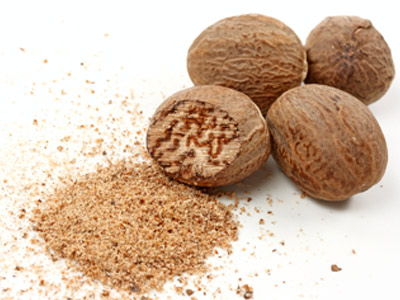
Nutmeg - Myristica fragrans

Nutmeg – Myristica fragrans

Just look at this gorgeous pod of deliciousness!

The red, almost brain-like cover is what mace is made from. The nutmeg we know and love, and use in cooking is hidden underneath. Isn’t nature wonderful? The colours are divine and the nutmeg seed is protected by layers of cellular material. This seed is part of the whole pod which is actually the fruit of this evergreen tree.

The nutmeg tree

The nutmeg tree

Like many spices and spice oils, nutmeg has a rich history spanning, in the very least hundreds of years, and probably even more. Originating from the Banda Islands, north of Timor and west of Papua New Guinea, the trade of this wonderful spice is traced as far back as the middle ages in Europe. You can imagine how long before this the islanders would have used this amazing plant.

In the 1600’s the Dutch East India Company ruled the spice trade and the beautiful islands. They staged a nasty takeover of the islands to absolutely rule and control the supply of nutmeg to the world. When the Brits took over they transplanted many of these nutmeg trees to other islands under British rule and because of this Grenada actually produces 20% of the world’s nutmeg supply. They even have an illustration of the nutmeg on their flag.

The flag of Grenada

The flag of Grenada

Our modern history is quite brutal really. Thank goodness we are now in a time of rapid evolution – the best time to employ essential oils to get us all to the next level of peace and harmony.

The essential oil of nutmeg is steam distilled from the seed and it is high in a-pinene (alpha pinene, b-pinene (beta pinene) and sabinine (also in black pepper oil); with many other constituents including camphene. We know that camphene (and other types of camphor molecules) are warming and stimulating constituents – and so is the oil of nutmeg.

The traditional uses of nutmeg include:

* to ease the symptoms of colds and flu

* as a tonic to warm the body

* as a treatment for all things digestive – to stimulate appetite, to treat nausea and vomiting and to generally stimulate the digestive fire

* as an anti-inflammatory agent especially in the treatment of arthritis and swelling of the joints

* to warm aching muscles and joints

The nutmeg spice is known as an hallucinogen due to a chemical constituent called elemecin, which Wikipedia claims is similar to the properties of mescaline. According to Salvatore Battaglia (an aromatherapist and author of a great book called “The Complete Guide to Aromatherapy”), this is lost in the distillation process and is not present in the oil.

Isn’t it interesting that the red mace covering of the seed looks like a brain – and that the seed can effect the brain, inspiring whacky mind visions!

nutmeg

nutmeg

I use this oil as a connection to spirit – as an awakening oil of the mind and the higher chakras. I find nutmeg oil to be expansive on all levels of our existence – the physical, the emotional, the mental and the spiritual. And just the fact that it’s called “myristica”, I always think of this oil as an agent of attaining our mystical existence, and accessing our mystical guides. I use this oil when I need to connect to universal intelligence.

Try these recipes:

1. Pure Pulse Point Perfume

In a little dish mix these oils and anoint your pulse points or chakras – 3 drops of essential oils and dilute with a few drops of carrier oil – always patch test first!

“Sweet Release”

Allow divine guidance to enter your world

Nutmeg        2 drops * patch test first as nutmeg could be sensitising to the skin

Orange         1 drop

————————————————————————————————————————————–

2. Scent Your Space

In a traditional oil burner with a candle or a diffuser add 25 drops of oil

“Intergalactic Love”

Reach out into the universe with love

Nutmeg        10 drops

Rosewood     8 drops

Mandarin       6 drops

————————————————————————————————————————————–

Remember to use your intention when you are blending, it will add to the creation process and also be an exercise in using your intuition.

copyright suzannerbanks 2013

Softly and Gently with the Chamomiles

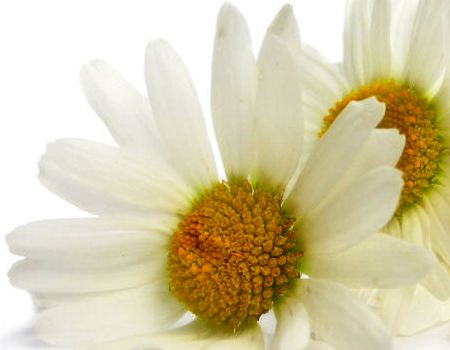
Roman chamomile Anthemis nobilis or Chamaemelum nobile

Roman chamomile Anthemis nobilis or Chamaemelum nobile

What a pretty flower! I always loved daisies as a child, and the chamomiles belong to this species called Asteraceae or Compositae. Chamomile is famous for it’s soothing nature and tranquil effects, and is used in both herbal medicine and aromatherapy alike. I’ve always thought of Aromatherapy as a specialist part of herbal medicine, powerful because it insists we use our sense of smell for healing and interacting with the world.

1. Roman Chamomile 

Anthemis nobilis or Chamaemelum nobile

This chamomile has a sweet honey like aroma, and appeals to many people because of this softness. Roman chamomile is usually found in a 3% jojoba blend because of its price. It is often overlooked in favour of German chamomile but please give it a try. It is one of those oils that gives an immediate reaction of bliss.

In aromatherapy Roman chamomile is the one used as an anti-spasmodic treatment, an tonic for unclenching, that may also help the smooth muscle of the gut relax. Also great for muscle spasm and tension and general fatigue and stress.

Best of all, I like to use Roman chamomile as a perfume straight from the bottle. No doubt people will be attracted to you when you wear this oil as you will smell divine and will be radiating a sense of calm and knowingness. Try these recipes

“Floatin’ on a Cloud”

For release of gripping tension and pain in the body make an oil blend with 3 teaspoons of carrier oil and add:

Roman Chamomile 3%      8 drops

Marjoram                           2 drops

—————————————————————————————————————————————-

“Venus”

As a pulse point perfume mix these drops together and anoint your chosen spot –  for attracting and resonating with a goddess-like energy

Roman Chamomile 3 %    3 drops

Rosewood                        2 drops

—————————————————————————————————————————————-

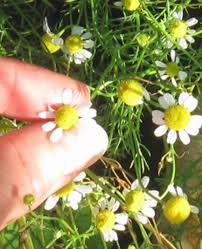
German chamomile - Matricaria chamomilla or Matricaria recutita)

German chamomile – Matricaria chamomilla or Matricaria recutita)

2. German Chamomile

This tiny little flower is a different genus to Roman chamomile and what sets it apart from most oils is its blue colour. During the distillation process, one of the consituents – chamazulene – is changed to give a deep blue hue to the oil. This oil is best used as an anti-inflammatory and works well with lavender in this sense. It is great for stress, anxiety, and any tension in the body. It is a strongly scented herbaceous oil and I would not say this is an oil to use as a perfume. Think BLUE – think COOLING! A good oil for joints and muscles as well as an over thinking mind. German chamomile is more readily found then Roman chamomile and will also be in a 3% jojoba blend. Try these remedies:

“Release”

For a treatment of painful joints make an oil blend with 3 teaspoons of carrier oil, rub over the joint and cover with a bandage. Rest. Add these essential oils to create your treatment:

German chamomile  3%   8 drops

Lavender                          2 drops

Peppermint                       1 drop

—————————————————————————————————————————————-

“Cocoon”

After a stressful day stop your mind from over-processing by mixing the following into a little container and rubbing on your temples and third eye. Remember to put a little of the oil residue inside your nose to gain maximum benefit, and dilute with a few drops of carrier oil.

German Chamomile           2 drops

Orange                               2 drops

—————————————————————————————————————————————-

The chamomiles are your ancient tool for stress release.

Remember to use your intention when you make your blends to give extra power and personality to the formula.  For more information on intention see my article What Do I Mean when I Say “Use Your Intention”?

copyright suzannerbanks 2013