Everlasting Essential Oil Connects us to Our Immortality

Helichrysum italicum "everlasting". pic via calphotos.berkeley.edu

Helichrysum italicum “everlasting”. pic via calphotos.berkeley.edu

Aw this cute little daisy comes from the Asteraceae family along with the chamomiles, sunlfowers, safflower, marigold, globe artichoke, echinacea and chrysanthemum among many others. Also referred to as “immortelle”, can you guess what this essential oil is good for ? Immortality and the fountain of youth spring to mind when I think of everlasting, it’s great for skin and has many other benefits.

I was very excited to get a new bottle delivered the other day. It has a sweet, honey-like aroma with undertones of spice. Sometimes called the “curry plant”, everlasting does have a complex scent, maybe with a hint of curry – but don’t let that put you off. A few drops of this beautiful oil may be all you need to electrify and bend and add depth and sweetness to the scent. You may find everlasting n a 3% blend (see my article for more info on 3% blends in jojoba) or on it’s own but it will be more expensive this way.
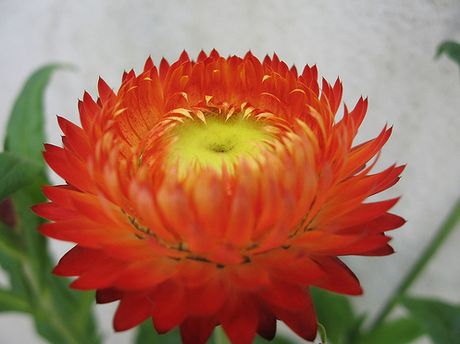
Helichrysum bracteatum - essential oil does not come from this Helichrysum but you may recognise this flower from your local florist

Helichrysum bracteatum – essential oil does not come from this Helichrysum but you may recognise this flower from your local florist

In aromatherapy today everlasting is used for:

– formulations in skincare to promote cell growth and act as an anti-inflammatory agent

– as a stimulant to the lymphatic system to aid lymphatic drainage and therefore allow the skin to expel toxins more efficiently

– aiding the symptoms of dermatitis and excema

– diminishing scar tissue

– healing wounds

– coughs, coughing and asthma

– according to Salvatore Battaglia (The Complete Guide to Aromatherapy) everlasting is great for liver inflammation and the organs of the gall bladder, spleen and kidneys  – all the organs helping in detoxification of the body. We can see how this relates to lymphatic drainage too.

infinity

infinity = immortality

I use everlasting energetically as a way to connect us to our immortality. The Fountain of Youth lives within us if we are able to see we are simply a manifestation of the energy of our spirits. Our souls will return to the oneness of the universe when our mortal bodies fade away. It’s seems so poetic to use the french word ‘immortelle’ for this beautiful oil, and I encourage you to use it with this thought in mind.

 The Fountain of Youth by Lucas Cranach the Elder. pic via en.wikipedia.com

The Fountain of Youth by Lucas Cranach the Elder c 1546  pic via en.wikipedia.com

Here a a few recipes for our sweet immortelle:

1. Nourishing Body Oil Blend

For a coat of your body use 3 teaspoons of carrier oil in a little dish and, add 7 – 8 drops of essential oil.

***** Always put the drops of essential oil into the bottle or dish first, then add the carrier oil. It gives the scents time to create a synergistic fusion.

For a 50ml bottle of oil add 25 drops and see my articles “Ratios for Blending Essential Oils – A Reminder of the Basics” and  “Aromatherapy – It’s Easy as 1 2 3”

“Sophia Loren”

Be as beautiful as this amazing lady who has said the Fountain of Youth lies in your creativity-

Everlasting 3%        12 drops

Rosewood                3 drops

—————————————————————————————————————————————

“Immortality”

Enjoy life in this moment for it will change form soon –

Everlasting 3%        9 drops

Sage                       1 drop

Pink Grapefruit         4 drops

—————————————————————————————————————————————-

“50 is the New 30”

Be young through the expression of your unique qualities, and youthful looking skin –

Everlasting           9 drops

Palmarosa            3 drops

Lavender             2 drops

—————————————————————————————————————————————

Happy blending and remember to use your intention when you are creating your formulas. See my article about intention.

copyright suzannerbanks 2013

What are CO2 Extracts in the World of Aromatherapy?

A drop of oil can be essential

A drop of oil can be essential to wellbeing

When we talk about essential oils, it’s often an umbrella term for many different kinds of aromatic liquids.

Essential oils

These are usually water/steam distilled, and this is the most common way to date that oils are extracted. All the oils you would commonly buy today would be steam and water distilled and this process is simple, traditional and dates back through the past century.

Absolutes

These are usually made flowers or very delicate plants where a chemical extraction process is used  (see my article Absolutes? Not Absolutely)  but they resemble essential oils in viscosity and are used in the same way as essential oils. They tend to be more concentrated then essential oils.

Oleoresins and Resinoids 

These are highly concentrated liquid extracts that are a combination of resins and aromatic oils. The plants they come from have a high resin content so they fall into their own category. Once again they can be used in the same way as essential oils.

CO2 Extracts 

CO2 Extraction is also called Super-critical CO2 extraction and it produces a couple of plant products – extracts or selects, and totals.

A relative newcomer in the world of extraction, the name makes it sound bad but it’s not! There are lots of good things about this process and I’ll try to sum it up briefly and succinctly.

The extraction process uses carbon dioxide heated to a degree where it has both liquid and gaseous properties- this part is the super-critical part. It’s less hot them steam and water distillation so this is a bonus as it doesn’t change the plant materials as much.

It’s this liquid form that extracts the volatile plant material. Aromatic oils, resins and other cellular materials like pigments are extracted by the liquid CO2 which evaporates easily, leaving a substance that more closely resembles the plant.

CO2 extracts more closely aromatically resemble the whole plant, whereas essential oils are specifically the volatile oil component of the plant.

CO2 extracts may be better scent wise, or less attractive. It depends on the plant.

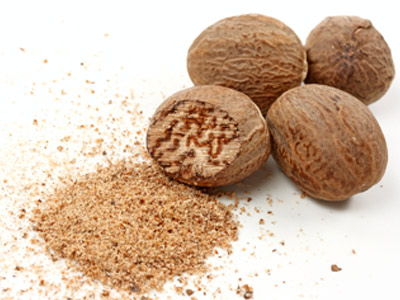
nutmeg

nutmeg –  there are quite a few spice CO2 extracts

CO2 extracts that are now available are –

ambrette, cardamom, cinnamon, coriander, clove, nutmeg, caraway, fennel, ginger

sea buckthorn

amaranth

cocoa, coffee, vanilla

pomegranate

evening primrose, rosehip

chamomile, champaka, ginger lily, jasmine, juniper, linden blossom, patchouli

arnica, calendula, lavender, hops, St Johns wort,

angelica root, orris root, kava

agarwood, frankincense, galbanum, myrrh, spikenard

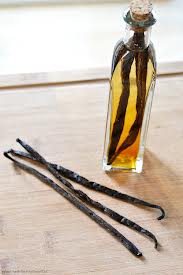
the amazing vanilla pod

the amazing vanilla pod

I don’t use CO2 extracts extensively in my practice yet, as many of the extracts are semi-solid and aren’t easy to work with. It seems some of the extracts are better suited to using in creams and lotions.  I move more into the area of natural perfumery I know I’ll use some of the extractsmore often. I haven’t actually spent the time looking at the analysis of each oil, which will indicate the therapeutic property of the “oil”.

According to Nature’s Gift, “totals” are a secondary product of the CO2 process:

“are usually thick and pasty due to the beneficial fats, resins and waxes they contain that come from the plant material itself. These totals are soluble in essential oils and vegetable oils.

….These potent extracts are wonderful for cosmetics and pharmaceuticals. The Calendulas extract, for example, in a dosage of 2 grams extract to 1000 grams ointment is effective for it’s anti-inflammatory and anti-microbial activity.”

None of my suppliers in Sydney provide these “totals” and I don’t have first hand knowledge of how they work – but it sounds interesting!

Good luck with the CO2 extracts!

copyright suzannerbanks 2013

Anointing with Essential Oils – What’s it all About?

Anointing with sacred oils in the time of the Pharoahs pic via www.jewishencyclopedia.com

Anointing with sacred oils in the time of the Pharoahs pic via http://www.jewishencyclopedia.com

**********************************************************************************************************************************************

From the freedictionary.com –

a·noint  (-noint)

1. To apply oil, ointment, or a similar substance to.
2. To put oil on during a religious ceremony as a sign of sanctification or consecration.
3. To choose by or as if by divine intervention.
**********************************************************************************************************************************************
Anointing is absolutely connected to religions of all kind but lets step up and reclaim the word on behalf of consciousness and spirituality.

If you are anointed in a religious ceremony it usually signifies that you have been playing the game correctly, and symbolizes your worthiness to be alive. It can also help you remember to walk with the divine in your life on a daily basis and allow the almighty gods to be with you. It shows others you are doing the right thing and can also be a source energetic protection. This practice occurs in many religions across many cultures and centuries.

Man with a tilaka - a mark of the divine pic via www.flickriver.com

Man with a tilaka – a mark of the divine pic via http://www.flickriver.com

Going to a temple in India, one may leave with a thumbprint of red paste on the forehead called a tilaka. It could be red sandal paste or red tumeric but there are so many variations according to the specific sect, caste and temple. The style and shapes of the mark are different too, and of course this does have a mild scent.

The Egyptians were into scent as a connection to the gods in a BIG way. There are depictions of perfumes, incense and scent rituals in the art they left us. The pic at the top of this article shows this, and according to wikipedia:

“In several temple reliefs in Ancient Egypt the Pharaoh is depicted being anointed by Horus (sun god and “father” of Pharaoh) and Thoth (god of wisdom), the oil of which is symbolically depicted as a stream of ankhs (symbols of life).”

Jesus , the Anointed One (so the story goes) pic via bikesnobnyc.blogspot.com

Jesus , the Anointed One (so the story goes) pic via bikesnobnyc.blogspot.com

The Bible and the Hebrew Bible are full of stories about anointing, the anointed or chosen ones, and references to this practice as being an important part of religion. The Hebrew Bible apparently describes the recipe for the anointing oil, while in the New Testament Jesus was described as the ‘anointed one’.

Back to present time.

Dr Hfuhrurur and Delores in The Man with Two Brains pic via youtube.com

Dr Hfuhruhurr and Delores in The Man with Two Brains pic via youtube.com

I recently referred to Steve martin in “The Man with Two Brains” when talking about myrrh. Clearly this movie has stuck in my mind and I just can’t seem to shake it. In this movie Dr. Michael Hfuhruhurr woes his love Delores with this poem (by a fictional one-armed English poet named John Lillison):

‘ O pointy birds, o pointy pointy, anoint my head, anointy-nointy.’

Yep so there you go. Every time I say or think “anoint”, I’m not thinking about Jesus, I’m thinking about Dr Hfuhruhurr. Deep.

Let’s anoint! Historically fats and oils, perfumes, scented waters and coloured pastes have been used for this practice but I use essential oils.

**** Officially I can’t recommend you use essential oils straight from the bottle on your skin as it could cause a reaction in sensitive people. Why not follow your intuition with this but I’ll recommend you use a little carrier oil to dilute the essential oils.

Anoint yourself with pure essential oils

Anoint yourself with essential oils

Anoint Where?

Chakras

Pulse points – wrists, throat, heart

Anoint with What?

One or two essential oils diluted with some carrier oil

Why Anoint?

When you feel you need support from the universe

To inspire gratitude

To open energetic flow in your body

To open channels of creativity

To remind yourself you are surrounded by beauty through scent

Before or after meditation as a symbol of your connection to your spirit

To give you courage for a hard task or day ahead

When you need to feel more compassion for others

The practice of anointing is easy and a quick way to get in tune with the entangled web of us and the universe!

Happy anointing and remember to use your intention when you are creating your formulas. See my article about intention.
copyright suzannerbanks 2013

Can Essential Oils be used Undiluted on Your Skin?

A drop of oil can be essential

A drop of oil can be essential

This question is one of the most commonly asked questions in regards to essential oils and essential oil safety.

I studied in Australia and although I don’t know exactly what other education institutions teach, I’m positive there is a general feeling about this subject.

Short Answer: NO

Do not use essential oils directly on your skin as a general rule.

Why?:

Essential oils are concentrated volatile substances extracted from plants. A couple of important actions in some essential oils are classed as:

Photosensitisation:

If you apply one of these oils  to your skin and go outside, the oil can cause a skin reaction when the suns hits you. It can be really bad, or mild, or you may not get a reaction at all. Oils to watch out for are bergamot and all the citrus oils.

Sensitising:

Many oils can be classed as sensitising, meaning if you use to much, or in a strong dilution it may cause a skin reaction. Oils to watch out for are black pepper, cinnamon, clove, wintergreen, maybe oregano and thyme, and other oils which you wouldn’t be able to buy retail.

Irritation:

According to Essential Therapeutics “irritation” may occur with many different oils in very strong dilutions. However, most essential oils contain different molecules that could potentially cause irritations on the skin, but are not classified as toxic. It really depends on each person and how sensitive you are generally.

The most important thing is not to drink essential oils – this will cause poisoning and potentially harmful long term effects.

Use your common sense and dilute essential oils in the ratios listed in my articles “Ratios for Blending Essential Oils – A Reminder of the Basics” and  “Aromatherapy – It’s Easy as 1 2 3”.

skin reaction to Peru Balsam pic via www.cdc.gov

skin reaction to Peru Balsam pic via http://www.cdc.gov

If you are a very sensitive person then always patch test before using essential oils all over your skin – even if it is in the correct dilution.

I’m not going to say I don’t use essential oils directly on my skin, but I’m not going to say I do. I have 20 years of experience using essential oils with clients and various scenting projects so I feel confident about what I can do on my skin.

Anoint yourself with pure essential oils

Anoint yourself with pure essential oils diluted with a carrier oil

What about anointing with essential oils?

Once again the general rule is not to use essential oils directly on your skin. I recommend diluting with a carrier oil and then anointing.

What about perfume straight from the bottle?

Same as above. if you want a stronger effect, try putting a couple of drops of oil on a makeup pad in your bra or even your handbag.

PATCH TEST FIRST – especially if you are a person who is very sensitive! Just because essential oils are natural does not mean they are always safe.

Don’t use essential oils in strong dilutions, or neat on kids either. if a reaction does occur the only way to get the oils off the skin is with a carrier oil like olive or almond. Smooth it all over the area, wipe off and seek medical advice if necessary. See my article ‘“Aunty, something is biting my legs” – 10 things NOT to do when using Essential Oils” for more info on the general rules of using essential oils.

You are the expert on you

You are the expert on you

You are the expert on you, so use common sense, the information that is available to you and patch test first.

Enjoy the beautiful scents of nature and allow miracles through scent!

Palmarosa – Soft Skin and Happiness

palmarosa pic via choicehealthmag.com

palmarosa pic via choicehealthmag.com

I’ve used this lovely oil with clients a few times in the past couple of weeks. It blends well with so many oils and adds a green, fresh and slightly rosey scent to a formula. This is a relative newcomer to aromatherapy and doesn’t really have a rich colourful history like the spice oils, but is a wonderful addition to a collection. This gorgeous grass originally hails from India and is sometimes known as East Indian geranium. It’s also grown in Madagascar and the Comoro Islands. Although I can’t really find out a lot about this lovely oil I assume, like lemongrass, it has been used in India as a part of their Ayurvedic lifestyle and natural way of treating disorders in the body.

Palamarosa (Cymbopogon martini) is a grass like lemongrass and citronella, and belongs to the same family – Graminae (or Poaceae). This is the family of ‘true grasses”. There’s also a gingergrass plant that creates an essential too, and that is quite close to palmarosa as it is a variation of the plant – Cymbopogon martini var. sofia. One of my suppliers offers gingergrass oil and although I don’t use it therapeutically is has a beautiful soft scent. Maybe I’ll do a story on that oil soon.

Back to palmarosa – which is an oil often used in cosmetics and soaps to enhance the scent and add an inexpensive rose scent to the product.

Rosa centifolia - another rose used to make essential oil

Rosa centifolia

I’ve always used palmarosa as a skin conditioning oil and one of it’s main components is geraniol so that may give you a hint too, as geranium is a great oil for the skin. However it’s interesting to note that geranium only contains about a third of the amount of geraniol than palmarosa! And while we are on the geraniol track, lemongrass has a high content of geranial – a different molecule with slightly different carbon bonds (with a similar function).

In aromatherapy today palmarosa is used for

* hydrating the skin and hair

* as a stimulant for skin cell growth therefore working well on scar tissue and the uneven appearance of skin

* as a tonic to the digestive system

* as an insect repellent – just like lemongrass and citronella

* I use it as an oil for happiness and for flexibility in the emotions and thoughts

Try these combo’s –

Scent your space

Scent your space

1. Scent Your Space

In a traditional oil burner with a candle or a diffuser add 25 drops of oil

“Aperitif”

Get your house in the mood for a lovely dinner

Palmarosa      10 drops

Mandarin         8 drops

Juniper            7 drops

—————————————————————————————————————————————

“I’m Going to be Flexible on this Issue”

Palmarosa      8 drops

Rosemary       5 drops

Geranium       5 drops

Siberian Fir     7 drops

—————————————————————————————————————————————

nourish your skin with oil blends

peru balper nourish your skin with oil blends

2. Nourishing Body Oil Blend

For a coat of your body use 3 teaspoons of carrier oil in a little dish and, add 7 – 8 drops of essential oil.

***** Always put the drops of essential oil into the bottle or dish first, then add the carrier oil. It gives the scents time to create a synergistic fusion.

For a 50ml bottle of oil add 25 drops and see my articles “Ratios for Blending Essential Oils – A Reminder of the Basics” and  “Aromatherapy – It’s Easy as 1 2 3”

“Sweet and Soft”

Soften up your skin and add a little sweetness –

Palmarosa      3 drops

Peru Balsam   3 drops

Lavender       2 drops

—————————————————————————————————————————————

“Gettin’ Vibed Up”

An oil blend to refresh and send you into the day with gusto –

Palmarosa     2 drops

Cinnamon     2 drops

Lemon          2 drops

—————————————————————————————————————————————

Happy blending and remember to use your intention when you are creating your formulas. See my article about intention.
copyright suzannerbanks 2013

Clove – A Healing Oil and Spice

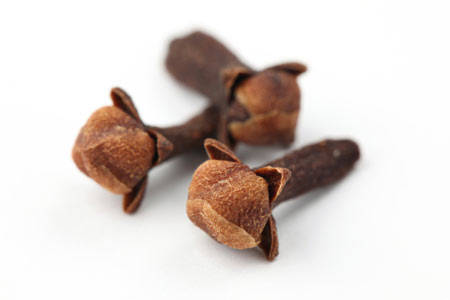
Cloves - interesting little things pic via articles.timesofindia.indiatimes.com

Cloves – interesting little things pic via articles.timesofindia.indiatimes.com

Aw look at these cute little things! They are classified as “calyxes” and come from a larger pod from an evergreen tree hailing from Indonesia, Sri Lanka and probably India too and other tropical islands like Madagascar. Originally they were only found on the “spice islands”  The Maluku Islands or Moluccas, and were traded worldwide in the 1600’s and  1700’s by the Dutch East India Company. They are basically part of the flower and when we get the clove it has been dried. This tree belongs in the same family as eucalyptus another scented tree along with guava and feijoa too!

By now you would have caught on to the fact that spices have a rich interesting history and clove is no exception. The Greeks and Romans used the clove bud as did ancient Chinese medicine where they were used as a warming tonic, and a stress relief treatment also great for high blood pressure. Records even show the use of cloves in 3BC in China where they were chewed to freshen the breath. In Ayurveda cloves are used for swelling, nausea and to help prevent colds.

We all love a good story and Wikipedia claims

“… the clove trade is also mentioned by Ibn Battuta and even famous One Thousand and One Nights characters such Sinbad the Sailor is known to have bought and sold cloves.”

Go Sinbad!  Arrrrrrrrr the spice trade of the high seas!

So now we come to modern aromatherapy and the use of clove oil today. Even if you haven’t used it yourself, you may now of clove oil’s use in reducing dental pain. It has an analgesic effect and I often put some clove oil in a formula for a client if they are experiencing physical pain.

Clove buds on the tree pic via namastenutritionist.com

Clove buds on the tree pic via namastenutritionist.com

* It is great to reduce swelling and inflammation in arthritis and in muscles too.

* Vapourised to kill air-born germs to prevent the spread of viruses – due to its high content of eugenol which is a strong antiseptic. Eugenol is also found in cinnamon, allspice, bay, basic, rose, jasmine, and carnation plants and oils.

* As a warming tonic to the souls who is unhappy or depressed

* As a calming agent to the digestive system

Clove is one of those oils that you don’t want to overdo so be mindful when blending. Try these recipes –

sniffing bottle of oil

sniffing bottle of oil

1. Open The Bottle and Take a Huge Whiff

Clove – relax, unwind, calm nausea, warmth

2. Nourishing Body Oil Blend

For a coat of your body use 3 teaspoons of carrier oil in a little dish and, add 7 – 8 drops of essential oil.

***** Always put the drops of essential oil into the bottle or dish first, then add the carrier oil. It gives the scents time to create a synergistic fusion.

For a 50ml bottle of oil add 25 drops and see my articles “Ratios for Blending Essential Oils – A Reminder of the Basics” and  “Aromatherapy – It’s Easy as 1 2 3”

“Soothe Me”

A formula for helping pain and swelling from arthritis –

Clove         2 drops

Lavender   2 drops

Fennel       2 drops

Marjoram   2 drops

————————————————————————————————————————————–

“Chill”

A chill out blend –

Clove                2 drops

Frankincense    3 drops

Orange             2 drops

—————————————————————————————————————————————

Happy blending and remember to use your intention when you are creating your formulas. See my article about intention.

copyright suzannerbanks 2013

Melissa – Pretty Name, Pretty Scent – A Wonderful Essential Oil

Melissa officianalis

Melissa officinalis

Melissa is also called lemon balm. It belongs to the same family as lavender, marjoram, peppermint, sage, patchouli, rosemary, thyme, oregano and more. You can see how the leaf looks similar to some of the other herbs too, and it’s sometimes difficult to tell them apart just from a photo.

Like many plants that create essential oils, Melissa extract is used in Naturopathy extensively for calming nerves and anxiety. This is what the essential oil is good for as well. It has a lemon scent but is more refined than lemongrass, more subtle than lemon and more delicate than any lemon scented eucalyptus or tea tree.

many lemon scented plants exist in nature

many lemon scented plants exist in nature

And once again this plant has an interesting history in healing through the past centuries. The standout landmark for this lovely plant is traced back to the Carmelite Monks of France during medieval times, but this magical herb is recorded as far back as 550BC with the Temple of Artemis in Ephesus – and ancient Greek city now in Turkey. Then we have the founders of modern medicine talking about this herb; 40—90 AD with the Greek physician Dioscorides, and with the Roman naturalist and philosopher of the same time, Pliny the Elder. Thank goodness there are really brainy people who have looked back through ancient records and delivered the information to us.

So it seems as though this gorgeous little herb has the healing powers of the universe within its little green leaves.

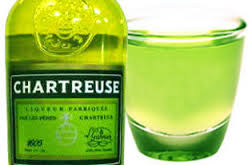
Back to the Carmelite monks……… or was is the nuns of another Carmelite origin in the 1200’s? Melissa has been noted way back to the 800’s as a herb of great healing properties, and it seems as though the healing water made with melissa originated in the 14th century (or even earlier) but became more well-known when the Carmelite friars were granted patents by the kings Louis IV, V and VI of France under the name “Eau de Melisse de Carmes”. During these times the herb water was both drunk as a tonic and used as a cologne to wash away the stench and dirt of the streets – and the stink of the general population who did not wash frequently! The balm water also contained other herbs and was used as a panacea. Both original recipes of Benedictine and Chartreuse (the liqueurs from monastic origin) contained melissa but not sure if they do now.

Chartreuse

Chartreuse – a lovely green herbal colour with over 100 ingredients

Our beautiful melissa lost favour as more herbs and plants were discovered for healing but it is still prized in Naturopathy and Aromatherapy today as a soothing balm for the emotions. In Aromatherapy we use melissa for –

* uplifting emotional states in depression

* soothing anxiety

* on the skin as an anti-viral – topically for cold sores

* vapourised in a room of sickness to help with nausea and to limit the spread of a virus (it seems that a lot of the lemon scented plants have a great anti-viral effect and I’ve always recommended vapourising lemon in the home if you have a sick person to reduce the spread of the virus or bacteria)

* on the stomach to reduce cramps

melissa flower - pic from dr.hauschka.com

melissa flower – pic from dr.hauschka.com

Melissa – also called balm and lemon balm – is best used to soothe the soul, mental anguish and to inspire happiness. Just take a whiff straight from the bottle.

It is a very expensive oil so you will probably find it in a 3% dilution ready to use straight from the bottle as a perfume, anointing oil and skin treatment for lesions. For more info see my article for more info on 3% blends in jojoba.

I hope you love melissa as much as I do!

copyright suzannerbanks 2013

Ratios for Blending Essential Oils – A Reminder of the Basics

Please check out my new book REVELATION! – Reveal Your Destiny with Essential Oils

Amazon USA      Booktopia AU      Amazon UK

and many other stores worldwide as a Kindle and Paperback


Ratios for Blending Essential Oils – A Reminder of the Basics

create your own natural skincare

create your own natural skincare with the right ratios

I have written about this before but I think we need a reminder of the correct ratios to employ when making aromatherapy skin care, baths, face masks, hair masks and anything else you can think of. I’ll also include the amounts to use in vapourisers and oil burners.

It is important to be exact and err on the side of caution when using essential oils on your skin.

It is not important to be exact when you are using essential oils in a vapouriser to scent a space.

Officially it is not recommended you use essential oils on your skin directly from the bottle!

nourish your skin with oil blends

nourish your skin with oil blends

1. Nourishing Body Oil Blend

For a coat of your body use 3 teaspoons of carrier oil (approx 15 mls) in a little dish and, add 7 – 8 drops of essential oil. This is a standard ratio of 2.5% essential oils to carrier oil.

20 mls        10 drops

25 mls        12 drops

30 mls        15 drops

35 mls        17 drops

40 mls        20 drops

45 mls        22 drops

50 mls        25 drops

***** Always put the drops of essential oil into the bottle or dish first, then add the carrier oil. It gives the scents time to create a synergistic fusion.

(Also see my article “Aromatherapy – It’s Easy as 1 2 3” for more info)

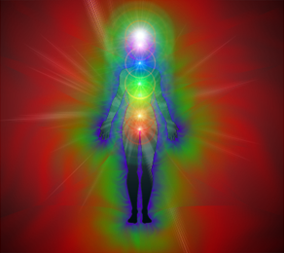
Cleanse your aura and energetic body with a mist (via shininglite.com)

Cleanse your aura and energetic body with a mist (via shininglite.com)

2. Mist – For a Room or as a Personal Aura Mist

The same quantities as above. You can add more if you like but remember not to spray near your eyes.

50 mls     25 drops

100 mls  50 drops

150 mls  75 drops

200 mls 100 drops

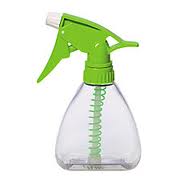
mistbottle

Almost fill the bottle with water then add your oils. Shake before you mist. I don’t use emulsifying agents as I like to keep it simple. You can even just buy a mist bottle from a supermarket but once a plastic atomiser top and bottle have been used for essential oils you can’t re-use them. Don’t fill up the bottle with water and mist your plants as the residue may kill them.

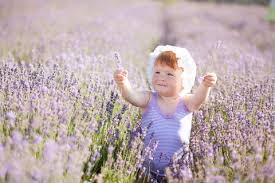
Children love the scent of some oils - not all of them

Children love the scent of some oils – not all of them

3. An Oil Blend (or mask) for Your Face, Children and In Pregnancy

Use half the above ratio – 1.25% ratio of essential oils to carrier oil.

20 mls        5 drops

25 mls        6 drops

30 mls       7 drops

35 mls        8 drops

40 mls        10 drops

45 mls       11 drops

50 mls        12 drops

***** Always put the drops of essential oil into the bottle or dish first, then add the carrier oil. It gives the scents time to create a synergistic fusion.

Pregnancy – Some oils are not recommended in pregnancy so it’s best to do some research if you are treating yourself, or ask the advice of an Aromatherapist.  I have treated many women through multiple pregnancies and have had great results. The truth is that there are probably many more toxic chemicals in their home environments than essential oils but always use caution!

Children – Same for kids. They respond really well to essential oils but only use oils they like the smell of otherwise you may create a negative experience. You will have more positive results if you create a room/personal mist and gently mist around your child so they treatment is more fun and likely to work quickly.

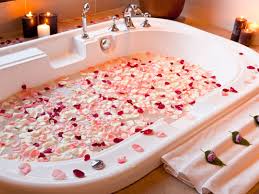
a petal bath - looks great but the cleaning -UGH!

a petal bath – looks great but the cleaning -UGH!

4. In Baths

I would only use up to 6 drops of oil in a bath. I have tried many natural emulsification agents but none work 100%. I like to put the oils into mediums, then add them to the bath. Try adding your oils into –

Dead Sea Salt

Celtic Sea Salt

Coconut milk

Magnesium Salt (Epsom salts)

Bi-Carb Soda

A Natural Bodywash/liquid soap like Castille Soap

** I don’t recommend using essential oils in the bath with kids as it can sting their legs. The oils combined with the heat of the water can be too strong for their beautiful skin. (See me article “Aunty, something is biting my legs” – 10 things NOT to do when using Essential Oils”  for more info).

Enjoy the process!

copyright suzannerbanks 2013

The Moon – A Tarot Card Reading with Essential Oils

The Moon - XVIII from the Rider-Waite deck

The Moon – XVIII from the Rider-Waite deck

Have you been howling at the moon recently? We have had 3 super moons this year, the last one, just last week. Pretty amazing. We all know how the moon phases – especially the full moon – can make us feel a little crazy and emotional. We are connected to our universe in all respects and the moon represents our subconscious. What’s beneath our sunny side?

I was always a little freaked out by the lobster coming out of the water to bite me. This could represent dark and hidden fears emerging, or even needing to be revealed. Either way it’s a bit prickly. There is lots of water in the card and in tarot that speaks about our emotions, as does the moon.

The dog and the wolf show the balance of tame/wild. The moon is also reflected in the sun which also indicates balance is needed with our conscious and subconscious. If The Moon comes to you in a reading it could represent a willingness or absolute need to release deep fears and emotions from the past, to be able to move on.

It is the middle of the night so perhaps you’ve lost your way or have been blinded by your dark side of your fears? Maybe you just can’t see things clearly?

oooooooooooo

oooooooooooo

This could be a time when you are having incredible, wacky dreams. What is your subconscious trying to tell you?

The Moon could appear if it’s a time when you need to rely on your intuition or develop it. Follow your instincts like the wild wolf! Have courage.

Rely on, and develop your intuition (from curvyoga.com)

Rely on, and develop your intuition (from curvyoga.com)

Anyway I’m sure you get the vibe of this card so let’s look at what essential oils could help you acknowledge your fears and release past hurts.

1. Nourishing Body Oil Blend

For a coat of your body use 3 teaspoons of carrier oil in a little dish and, add 7 – 8 drops of essential oil.

***** Always put the drops of essential oil into the bottle or dish first, then add the carrier oil. It gives the scents time to create a synergistic fusion.

For a 50ml bottle of oil add 25 drops and see my article “Aromatherapy – It’s Easy as 1 2 3”

“I am Light and Dark”

Acknowledge your deep fears –

Geranium      3 drops

Melissa 3%   12 drops       * see my article for more info on 3% blends in jojoba

————————————————————————————————————————————–

“Howling at the Moon”

Let your wild side out –

Black pepper     2 drops

Lemongrass       2 drops

Patchouli            3 drops

—————————————————————————————————————————————

“I’m NOT Having a Meltdown”

Support your fragile emotions –

Fennel             2 drops

May Chang     2 drops

Peru Balsam   3 drops

—————————————————————————————————————————————

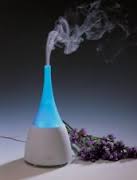
essential oil diffuser

essential oil diffuser

2. Scent Your Space

In a traditional oil burner with a candle or a diffuser add 25 drops of oil

“I Get So Emotional Baby”

Everything will be ok –

Spearmint        6 drops

Lemon            10 drops

Siberian Fir      9 drops

—————————————————————————————————————————————

“Release and Renew”

Purge the old stuff –

Juniper               8 drops

Pink Grapefruit  15 drops

Lavender            2 drops

—————————————————————————————————————————————

“I Accept Myself Completely”

Allow yourself the freedom to feel what you want –

Cypress           12 drops

Orange              8 drops

Ylang Ylang      5 drops

—————————————————————————————————————————————

Happy blending and remember to use your intention when you are creating your formulas. See my article about intention.

copyright suzannerbanks 2013

The Jasmines – A Love Story Full of Promises

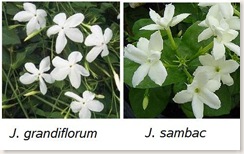
The Jasmines - grandiflorum and sambac

The Jasmines – grandiflorum and sambac

It’s hard to tell by the pic above but these jasmine plants that make stunning essential oils, are slightly different in the look of the petal, but definitely different in the scent.

They do share qualities of being so absolutely divine that one sniff could take you to a new dimension. The oils are concentrated versions of the sweet scent of the blossoms, and are deep and alluring.
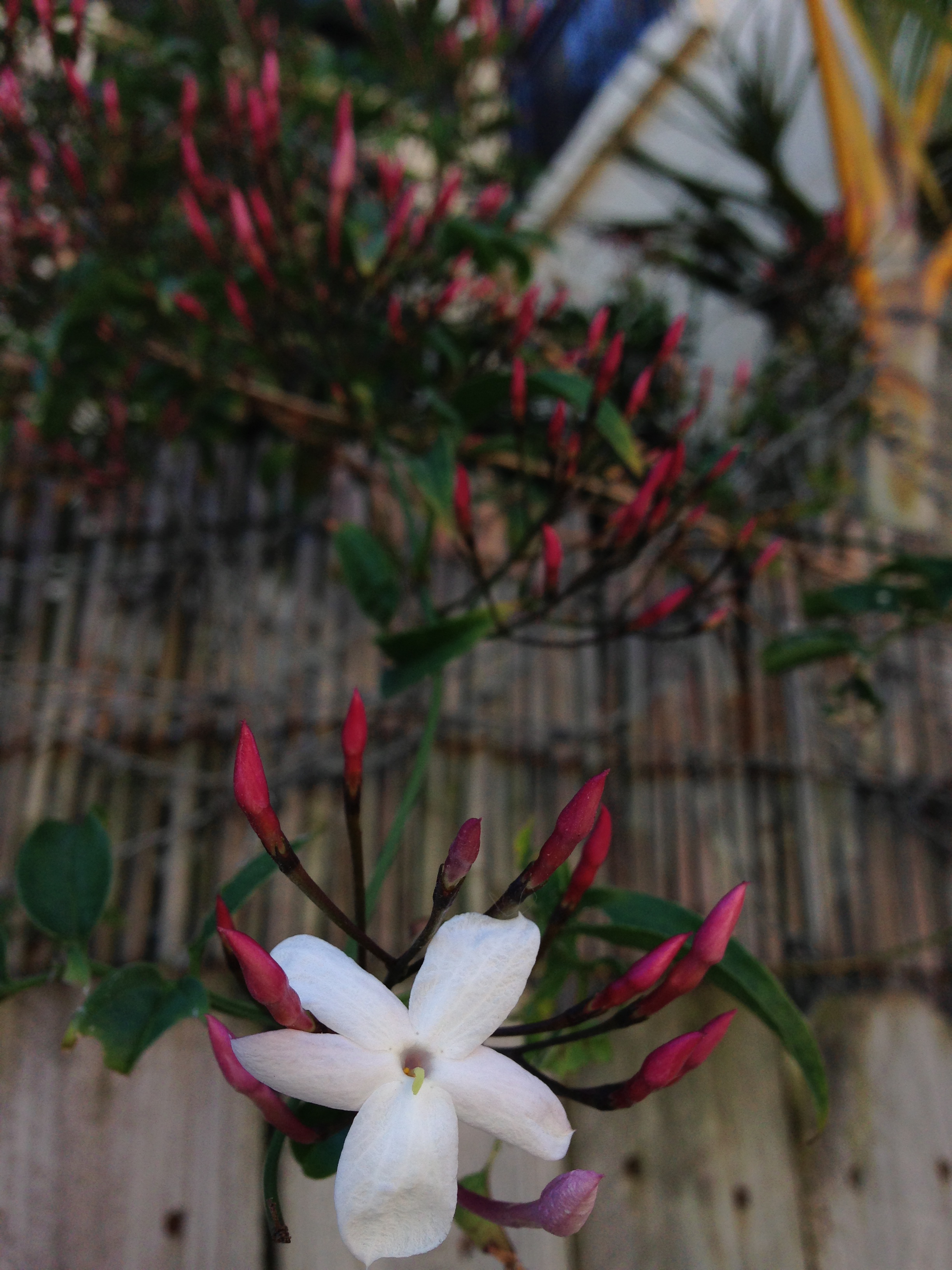
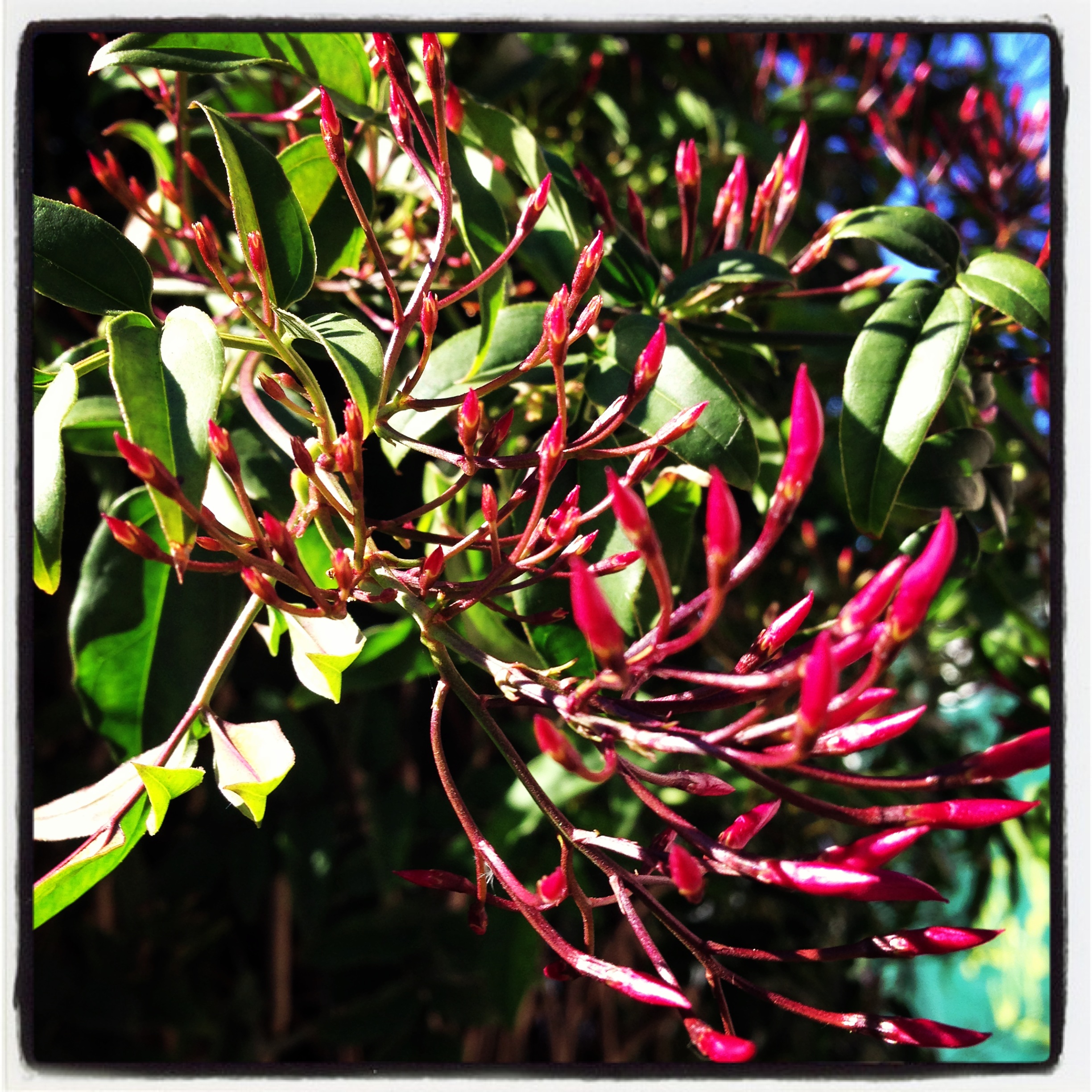
There’s lots of jasmine planted around Sydney and today I got a little excited when I saw the deep pink tinged buds, promising flowers very soon. That means Spring to me and the first step out of winter.

Hooray!

Jasmine in Sydney - the sweet promise of spring!

Jasmine in Sydney – the sweet promise of spring!

Jasminum grandiflorum

This is the classic jasmine we have come to know and love. It is the most common jasmine, but has an uncommon scent.

Sexy

Deep

Alluring

Mouth watering

Floral

Love

Seduction

A promise of things to come………..

Jasmine blooms in the spring – a time to shed the old energy of winter and gather new strength from the sun and warmth. Spring promises a wonderful time taking us into summer. Spring asks us to give everything, and in return promises newness, happiness and love.

The word “promise” always reminds me of K.D. Lang in 1985, when she won a JUNO Award for Most Promising Female Vocalist of the Year and rushed up to claim her award in a wedding gown. She said “no one makes more promises than a bride”.

KD Lang making promises

KD Lang making promise

It’s a perfect flower and oil for weddings as it creates a stunning scented environment of love, romance and (the promise of) sex. It is often used throughout Asia for this very purpose.

Jasmine is a base oil and has always been considered an aphrodisiac as it connects to our lower chakras and inspires kundalini energy. I call jasmine an oil of love and it’s definitely and oil of sexiness too. There’s nothing more promising than a wink, a smile, a kiss.

In Hindu and Muslim traditions it has been known as the oil of romance and the flowers are used in times of seduction and love. In traditional Chinese medicine it is used to tonify the liver and to treat stress and anxiety. Hey why not have a cup of jasmine green tea?

You will mostly find jasmine oil in a 3% blend which is ready to use as a perfume straight from the bottle! See my article for more info on 3% blends in jojoba.

A jasmine blossom in SYdney

A jasmine blossom in Sydney

Jasminum sambac

Oh my if you’ve ever smelt this oil you are the lucky one!

This jasmine is native to Asia and is sometimes known as Arabian jasmine or Indian jasmine. In the Philippines it is called sampaguita, in Indonesia it’s called melati putih, in Sri Lanka Pichcha or Geta pichcha and in Hawaii pikake.

This flower is certainly revered and I remember traveling in India and smelling it everywhere. It is used in Ayurveda for stimulating sexual drive and treating anxiety – can you see how these 2 things are related?

It is intoxicating! It has all the same amazing scent qualities of Jasminum grandiflorum but has a more intriguing, tropical scent. This flower is often used in spiritual ceremonies and used in adorning and beautifying children on their birthdays and women on special occasions.

This is the oil of exotic tales of the “far east” and it promises surprise and delight. It’s heady aroma can hypnotise you in a second and once you have smelt the sweet aroma of the oil or the flower I promise you, you will never be the same again!

Jasminum sambac promises to hypnotise you

Jasminum sambac promises to hypnotise you

If you find this oil it will also be in  3% blend, and once again it’s ready to use straight from the bottle.

When you need some new energy in your life use the jasmines.

When you need to get your sexy on use the jasmines.

When you make a promise to yourself to fulfill your destiny, use the jasmines.

What is your destiny?

What is your destiny?

copyright suzannerbanks 2013