Myrrh – A Healing Resin of Old

myrrh resin pic via www.pointsoflight.com

myrrh resin pic via http://www.pointsoflight.com

Myrrh. Whenever I say this oil in my head it sounds like merr-er-er. Just like Steve Martin’s character in the movie “The Man with Two Brains”, Dr Hfuhruhurr. I can’t help it. I’ve created a permanent synapse in my brain, that pronounces myrrh like Hfurhruhurr (except with an M). I don’t really use myrrh very much and maybe this is the reason.

I do however, use myrrh as an oil of abundance – a little goes a long way. Just like frankincense, myrrh is a resin in its natural state and then it’s steam distilled to produce an essential oil. In all bottles of myrrh that I’ve owned, before too long the cap is often stuck to the bottle with the dried oil – it wants to revert back to its original form. This never happens with frankincense which is quite a thin oil. Look how similar the trees are – they are from the same family, Burseraceae, but a different genus. Myrrh is from Commiphora, and frankincense is from the Boswellia genus.
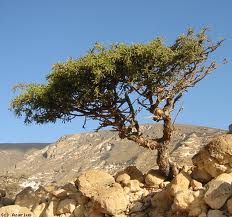
myrrh tree pic via azarius.net

myrrh tree pic via azarius.net

frankincense tree pic via herbsocietyvic.org.au

frankincense tree pic via herbsocietyvic.org.au

Myrrh is native to parts of Africa and still revered as a great healer. We know of stories in the bible which tells us that this resin has been used for centuries. Like many of the older plants and oils, myrrh is also noted in ancient Egypt as an important ingredient in the holy incense kyphi, and the temples of Jerusalem in the incense of ketoret. I’ve just written about spikenard (see my article Spikenard – an Essential Oil with a Rich History and a Heady Scent), which appears in the same texts and was also an ingredient in these ceremonial incenses.

With its amazing qualities of healing and preservation you can see why the Egyptians used myrrh in embalming. If it’s hardening on the lid of my oil bottle then it’s working that way when embalming a body!

Egyptian mummy

Egyptian mummy

Myrrh is a great wound healer and works really well with gum disease and mouth ulcers. I would use myrrh in an oil blend with a client to add dimension to the scent and to address fears of lack, and a general feeling of being unsupported. I love myrrh to stimulate healing from past hurts and to help someone gain strength to continue in life.
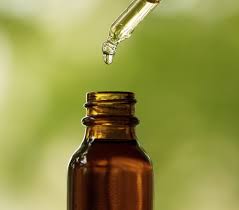
A drop of oil can be essential

A drop of myrrh may be all you need

In aromatherapy today myrrh is used for –

* gum disease

* deep cracks n the heels

* chronic wounds that wont heal

* to reduce mucous in coughs and bronchitis

* as a meditative oil to connect to spirit

* to help with period pain and for use in childbirth

Embrace myrrh as an oil to support you in your connection to the divine. Be sparing with myrrh in your oil formulations as a little goes a long way.

copyright suzannerbanks 2013

Spikenard – an Essential Oil with a Rich History and a Heady Scent

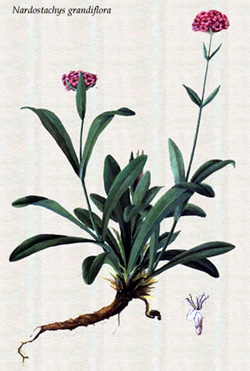
Nardostachys grandiflora or Nardostachys jatamansi pic via www.medievalcookery.com

Nardostachys grandiflora or Nardostachys jatamansi pic via http://www.medievalcookery.com

In a recent article I included spikenard in one of my recipes – see The Hierophant – A Tarot Card Reading with Essential Oils. It is commonly called spikenard, nard and the Indian name jatamansi (which is what I call it in my mind).

When I posted the link on my Facebook page one of my friends read the article (thanks Jason), and wanted to know more about this oil. My brief comments went something like this:

It’s an oil of the bible and the story is that Mary used this to bathe Jesus feet, and it was said to cost as much as a year’s wages. It has history in other religions and appears connected to the first and second Temples of Jerusalem. Used in Ayurveda it’s great for healing and a deep connection to spirit.

So that is a quick look at the oil and I thought I’d elaborate because it’s so amazing. This is a strong oil and belongs to the same family as Valerian, Valerianaceae. I must say I’ve never used Valerian oil in my practice, as even the scent of Valerian tea is super strong and if you’ve ever taken an herbal sleep formula with Valerian, you can smell it as soon as you open the bottle!

So spikenard has the same deep, base, intensity that valerian has, and also the vetiver root (even though vetiver is more like a grass). As with vetiver oil, the rhizomes of the spikenard plant hold the essential oil. It’s sweet, heavy and almost syrupy as it flares out of the bottle. One or two drops is enough in any formula to invoke the meta-physical properties of the oil, and to bring an oil blend together and give it substance.

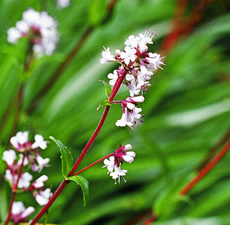
spikenard flower - pic via www.rkessentialoil.com

spikenard flower – pic via http://www.rkessentialoil.com

As with many essential oils, the plants have been used for centuries for both healing and  religious and spiritual ceremonies. We are relying on ancient texts to illuminate us on the uses of these plants and also the scholars who translate them. It is always fascinating to me that thousands of years ago great healers knew what the plants were good for even though they had no scientific means of measuring their components. So is this intuition, trial and error, or a combo of both? However we look at it, it is a gift from the universe and our modern medicine would be nowhere today without this ancient knowledge.

There is so much to write about here I’ll just touch on the most interesting references to this oil. Said to have been used in the Temple of Solomon, the First Temple of Jerusalem (circa 800 BC)  and the Second temple (circa 530 BC onward to about 70 BC), in the incense called Ketoret mentioned n the Hebrew Bible and other texts. Ketoret is also very similar to the Egyptian incense called kyphi too which was recorded in the Pyramid texts dating back to 2300BC. Also talked about in the Bible, as mentioned above, this plant was used in Greek and Roman healing and ceremonies, and even used in medieval cookery. And as jatamansi, it’s been used in Ayurveda for thousands of years too, especially for grounding Vata, helping digestion and and as a heart tonic.

spikenard - pic via www.aroma-pure.com

spikenard – pic via http://www.aroma-pure.com

Ok so what is spikenard used for in modern Aromatherapy?

* as a calming tonic for someone freaking out (as is valerian and vetiver)

* to induce sleep

* to act as a calming digestive tonic

* as a wound healing oil by acting as a anti-bacterial agent and also an anti-inflammatory

* as an oil for meditation to induce a soothing, calming energy to connect to higher consciousness

* as a base oil to bring an oil blend together

* to stimulate hormone production

* for mature and dry skins

When you use this oil, use it sparingly like you would do with Vetiver. The secrets of the universe are encoded in every drop of oil!

copyright suzannerbanks 2013

Palmarosa – Soft Skin and Happiness

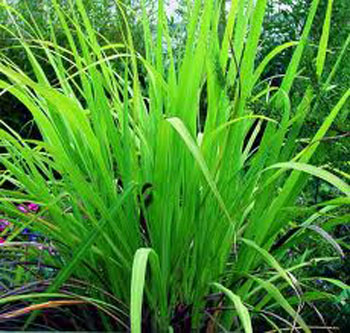
palmarosa pic via choicehealthmag.com

palmarosa pic via choicehealthmag.com

I’ve used this lovely oil with clients a few times in the past couple of weeks. It blends well with so many oils and adds a green, fresh and slightly rosey scent to a formula. This is a relative newcomer to aromatherapy and doesn’t really have a rich colourful history like the spice oils, but is a wonderful addition to a collection. This gorgeous grass originally hails from India and is sometimes known as East Indian geranium. It’s also grown in Madagascar and the Comoro Islands. Although I can’t really find out a lot about this lovely oil I assume, like lemongrass, it has been used in India as a part of their Ayurvedic lifestyle and natural way of treating disorders in the body.

Palamarosa (Cymbopogon martini) is a grass like lemongrass and citronella, and belongs to the same family – Graminae (or Poaceae). This is the family of ‘true grasses”. There’s also a gingergrass plant that creates an essential too, and that is quite close to palmarosa as it is a variation of the plant – Cymbopogon martini var. sofia. One of my suppliers offers gingergrass oil and although I don’t use it therapeutically is has a beautiful soft scent. Maybe I’ll do a story on that oil soon.

Back to palmarosa – which is an oil often used in cosmetics and soaps to enhance the scent and add an inexpensive rose scent to the product.

Rosa centifolia - another rose used to make essential oil

Rosa centifolia

I’ve always used palmarosa as a skin conditioning oil and one of it’s main components is geraniol so that may give you a hint too, as geranium is a great oil for the skin. However it’s interesting to note that geranium only contains about a third of the amount of geraniol than palmarosa! And while we are on the geraniol track, lemongrass has a high content of geranial – a different molecule with slightly different carbon bonds (with a similar function).

In aromatherapy today palmarosa is used for

* hydrating the skin and hair

* as a stimulant for skin cell growth therefore working well on scar tissue and the uneven appearance of skin

* as a tonic to the digestive system

* as an insect repellent – just like lemongrass and citronella

* I use it as an oil for happiness and for flexibility in the emotions and thoughts

Try these combo’s –

Scent your space

Scent your space

1. Scent Your Space

In a traditional oil burner with a candle or a diffuser add 25 drops of oil

“Aperitif”

Get your house in the mood for a lovely dinner

Palmarosa      10 drops

Mandarin         8 drops

Juniper            7 drops

—————————————————————————————————————————————

“I’m Going to be Flexible on this Issue”

Palmarosa      8 drops

Rosemary       5 drops

Geranium       5 drops

Siberian Fir     7 drops

—————————————————————————————————————————————

nourish your skin with oil blends

peru balper nourish your skin with oil blends

2. Nourishing Body Oil Blend

For a coat of your body use 3 teaspoons of carrier oil in a little dish and, add 7 – 8 drops of essential oil.

***** Always put the drops of essential oil into the bottle or dish first, then add the carrier oil. It gives the scents time to create a synergistic fusion.

For a 50ml bottle of oil add 25 drops and see my articles “Ratios for Blending Essential Oils – A Reminder of the Basics” and  “Aromatherapy – It’s Easy as 1 2 3”

“Sweet and Soft”

Soften up your skin and add a little sweetness –

Palmarosa      3 drops

Peru Balsam   3 drops

Lavender       2 drops

—————————————————————————————————————————————

“Gettin’ Vibed Up”

An oil blend to refresh and send you into the day with gusto –

Palmarosa     2 drops

Cinnamon     2 drops

Lemon          2 drops

—————————————————————————————————————————————

Happy blending and remember to use your intention when you are creating your formulas. See my article about intention.

copyright suzannerbanks 2013

Clove – A Healing Oil and Spice

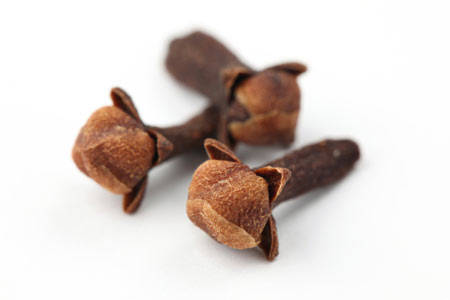
Cloves - interesting little things pic via articles.timesofindia.indiatimes.com

Cloves – interesting little things pic via articles.timesofindia.indiatimes.com

Aw look at these cute little things! They are classified as “calyxes” and come from a larger pod from an evergreen tree hailing from Indonesia, Sri Lanka and probably India too and other tropical islands like Madagascar. Originally they were only found on the “spice islands”  The Maluku Islands or Moluccas, and were traded worldwide in the 1600’s and  1700’s by the Dutch East India Company. They are basically part of the flower and when we get the clove it has been dried. This tree belongs in the same family as eucalyptus another scented tree along with guava and feijoa too!

By now you would have caught on to the fact that spices have a rich interesting history and clove is no exception. The Greeks and Romans used the clove bud as did ancient Chinese medicine where they were used as a warming tonic, and a stress relief treatment also great for high blood pressure. Records even show the use of cloves in 3BC in China where they were chewed to freshen the breath. In Ayurveda cloves are used for swelling, nausea and to help prevent colds.

We all love a good story and Wikipedia claims

“… the clove trade is also mentioned by Ibn Battuta and even famous One Thousand and One Nights characters such Sinbad the Sailor is known to have bought and sold cloves.”

Go Sinbad!  Arrrrrrrrr the spice trade of the high seas!

So now we come to modern aromatherapy and the use of clove oil today. Even if you haven’t used it yourself, you may now of clove oil’s use in reducing dental pain. It has an analgesic effect and I often put some clove oil in a formula for a client if they are experiencing physical pain.

Clove buds on the tree pic via namastenutritionist.com

Clove buds on the tree pic via namastenutritionist.com

* It is great to reduce swelling and inflammation in arthritis and in muscles too.

* Vapourised to kill air-born germs to prevent the spread of viruses – due to its high content of eugenol which is a strong antiseptic. Eugenol is also found in cinnamon, allspice, bay, basic, rose, jasmine, and carnation plants and oils.

* As a warming tonic to the souls who is unhappy or depressed

* As a calming agent to the digestive system

Clove is one of those oils that you don’t want to overdo so be mindful when blending. Try these recipes –

sniffing bottle of oil

sniffing bottle of oil

1. Open The Bottle and Take a Huge Whiff

Clove – relax, unwind, calm nausea, warmth

2. Nourishing Body Oil Blend

For a coat of your body use 3 teaspoons of carrier oil in a little dish and, add 7 – 8 drops of essential oil.

***** Always put the drops of essential oil into the bottle or dish first, then add the carrier oil. It gives the scents time to create a synergistic fusion.

For a 50ml bottle of oil add 25 drops and see my articles “Ratios for Blending Essential Oils – A Reminder of the Basics” and  “Aromatherapy – It’s Easy as 1 2 3”

“Soothe Me”

A formula for helping pain and swelling from arthritis –

Clove         2 drops

Lavender   2 drops

Fennel       2 drops

Marjoram   2 drops

————————————————————————————————————————————–

“Chill”

A chill out blend –

Clove                2 drops

Frankincense    3 drops

Orange             2 drops

—————————————————————————————————————————————

Happy blending and remember to use your intention when you are creating your formulas. See my article about intention.

copyright suzannerbanks 2013

Dear Clary Sage, I’m Sorry xoxo

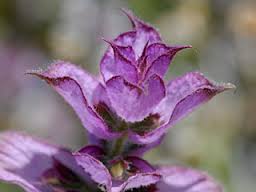
Flowering Clary sage pic via bellasugar.com

Flowering Clary sage pic via bellasugar.com

Dear Clary sage, I’m sorry I haven’t called on you in a while but I promise to consider you for my next client.

It’s not that I don’t like you, your scent is very heady and strong, and so much more sweet than sage. I realise you are very closely related and come from the same family – but I don’t favour sage over you – in fact it could be the other way around.

I like the fact that you are an expansive oil and for this I like to consider you as a very spiritual oil, as you relate to the crown and third eye chakras. You have the ability to open my mind, and that of my client too, and I suppose looking back over the centuries you have often been employed to help people over come depression and melancholy. You inspire, and can be considered an oil of euphoria – thank you. You are wonderful in allowing us to connect to the creativity of the universe too!

The essential oil is made from the flowering tops and the foliage

The essential oil is made from the flowering tops and the foliage

I love the way you work on excess oil on the skin and in the hair!

Another thing I am grateful for is that you are so powerful as an analgesic particularly in regards to period pain. I have used you on pregnant clients in preparation for labour and even in oil blends in a birthing suite. You are also great for older women during menopause to calm many of the very boring symptoms. Not only are you a very spiritual and creative oil you also help with pain.

I’ve even read you could help with lung spasm in bronchitis and asthma because of your relaxing effect on the muscles and bronchii via the hypothalamus and thalamus. You contain some similar functional groups to lavender and that’s why you are great for relaxation.

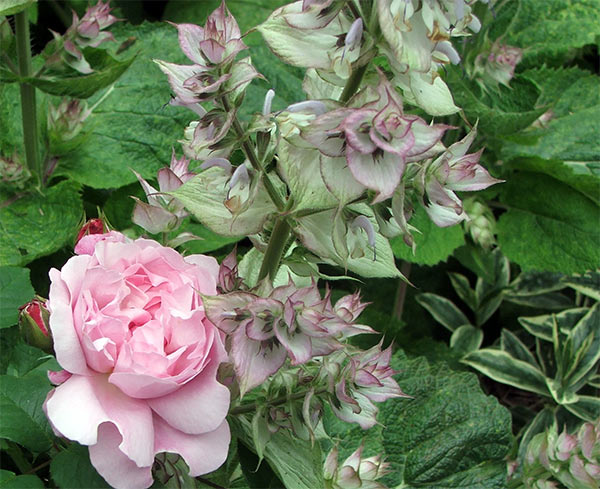
Clary sage and a rose at home in mooseycountrygarden.com

Clary sage and a rose at home in mooseycountrygarden.com

You inspire us to connect to the dream dimension – day dreaming and night dreaming – which can help shape our lives.

Here are some formulas for people to try so they can also experience your magnificence –

2. Face Mask

For oily skin –

2 teaspoons of white clay add 3 drops of oil

Clary sage      1 drop

Orange           2 drops

—————————————————————————————————————————————

Anoint yourself with pure essential oils

Anoint yourself with pure essential oils

2. Pure Pulse Point Perfume

In a little dish mix these oils and anoint your pulse points or chakras – 3 drops of essential oils and dilute with a few drops of carrier oil – always patch test first!

“Come In Please Creativity”

A blend to help release fears and invite in creativity to your life or a project –

Clary sage     1 drop

Lemongrass  1 drop

Mandarin       1 drop

————————————————————————————————————————————–

“Cool Calm and Collected”

Keep cool when you are hot flushing like crazy –

Clary Sage         2 drops

Rose Geranium  1 drop

—————————————————————————————————————————————

nourish your skin with oil blends

nourish your skin with oil blends

3. Nourishing Body Oil Blend

For a coat of your body use 3 teaspoons of carrier oil in a little dish and, add 7 – 8 drops of essential oil.

***** Always put the drops of essential oil into the bottle or dish first, then add the carrier oil. It gives the scents time to create a synergistic fusion.

For a 50ml bottle of oil add 25 drops and see my article “Aromatherapy – It’s Easy as 1 2 3”

“Oh Lord Help Me”

For period pain –

Clary Sage   2 drops

Peppermint  2 drops

Marjoram     2 drops

Lavender      2 drops

————————————————————————————————————————————–

“Even Stevens”

To clarify and tone oily skin –

Clary Sage                     2 drops

Sandalwood Australian  2 drops

Bergamot                      4 drops

—————————————————————————————————————————————

Happy blending and remember to use your intention when you are creating your formulas. See my article about intention.

copyright suzannerbanks 2013

Melissa – Pretty Name, Pretty Scent – A Wonderful Essential Oil

Melissa officianalis

Melissa officinalis

Melissa is also called lemon balm. It belongs to the same family as lavender, marjoram, peppermint, sage, patchouli, rosemary, thyme, oregano and more. You can see how the leaf looks similar to some of the other herbs too, and it’s sometimes difficult to tell them apart just from a photo.

Like many plants that create essential oils, Melissa extract is used in Naturopathy extensively for calming nerves and anxiety. This is what the essential oil is good for as well. It has a lemon scent but is more refined than lemongrass, more subtle than lemon and more delicate than any lemon scented eucalyptus or tea tree.

many lemon scented plants exist in nature

many lemon scented plants exist in nature

And once again this plant has an interesting history in healing through the past centuries. The standout landmark for this lovely plant is traced back to the Carmelite Monks of France during medieval times, but this magical herb is recorded as far back as 550BC with the Temple of Artemis in Ephesus – and ancient Greek city now in Turkey. Then we have the founders of modern medicine talking about this herb; 40—90 AD with the Greek physician Dioscorides, and with the Roman naturalist and philosopher of the same time, Pliny the Elder. Thank goodness there are really brainy people who have looked back through ancient records and delivered the information to us.

So it seems as though this gorgeous little herb has the healing powers of the universe within its little green leaves.

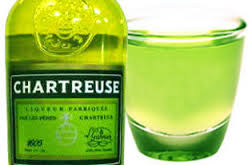
Back to the Carmelite monks……… or was is the nuns of another Carmelite origin in the 1200’s? Melissa has been noted way back to the 800’s as a herb of great healing properties, and it seems as though the healing water made with melissa originated in the 14th century (or even earlier) but became more well-known when the Carmelite friars were granted patents by the kings Louis IV, V and VI of France under the name “Eau de Melisse de Carmes”. During these times the herb water was both drunk as a tonic and used as a cologne to wash away the stench and dirt of the streets – and the stink of the general population who did not wash frequently! The balm water also contained other herbs and was used as a panacea. Both original recipes of Benedictine and Chartreuse (the liqueurs from monastic origin) contained melissa but not sure if they do now.

Chartreuse

Chartreuse – a lovely green herbal colour with over 100 ingredients

Our beautiful melissa lost favour as more herbs and plants were discovered for healing but it is still prized in Naturopathy and Aromatherapy today as a soothing balm for the emotions. In Aromatherapy we use melissa for –

* uplifting emotional states in depression

* soothing anxiety

* on the skin as an anti-viral – topically for cold sores

* vapourised in a room of sickness to help with nausea and to limit the spread of a virus (it seems that a lot of the lemon scented plants have a great anti-viral effect and I’ve always recommended vapourising lemon in the home if you have a sick person to reduce the spread of the virus or bacteria)

* on the stomach to reduce cramps

melissa flower - pic from dr.hauschka.com

melissa flower – pic from dr.hauschka.com

Melissa – also called balm and lemon balm – is best used to soothe the soul, mental anguish and to inspire happiness. Just take a whiff straight from the bottle.

It is a very expensive oil so you will probably find it in a 3% dilution ready to use straight from the bottle as a perfume, anointing oil and skin treatment for lesions. For more info see my article for more info on 3% blends in jojoba.

I hope you love melissa as much as I do!

copyright suzannerbanks 2013

The Jasmines – A Love Story Full of Promises

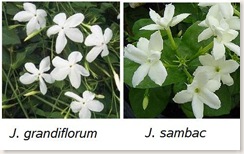
The Jasmines - grandiflorum and sambac

The Jasmines – grandiflorum and sambac

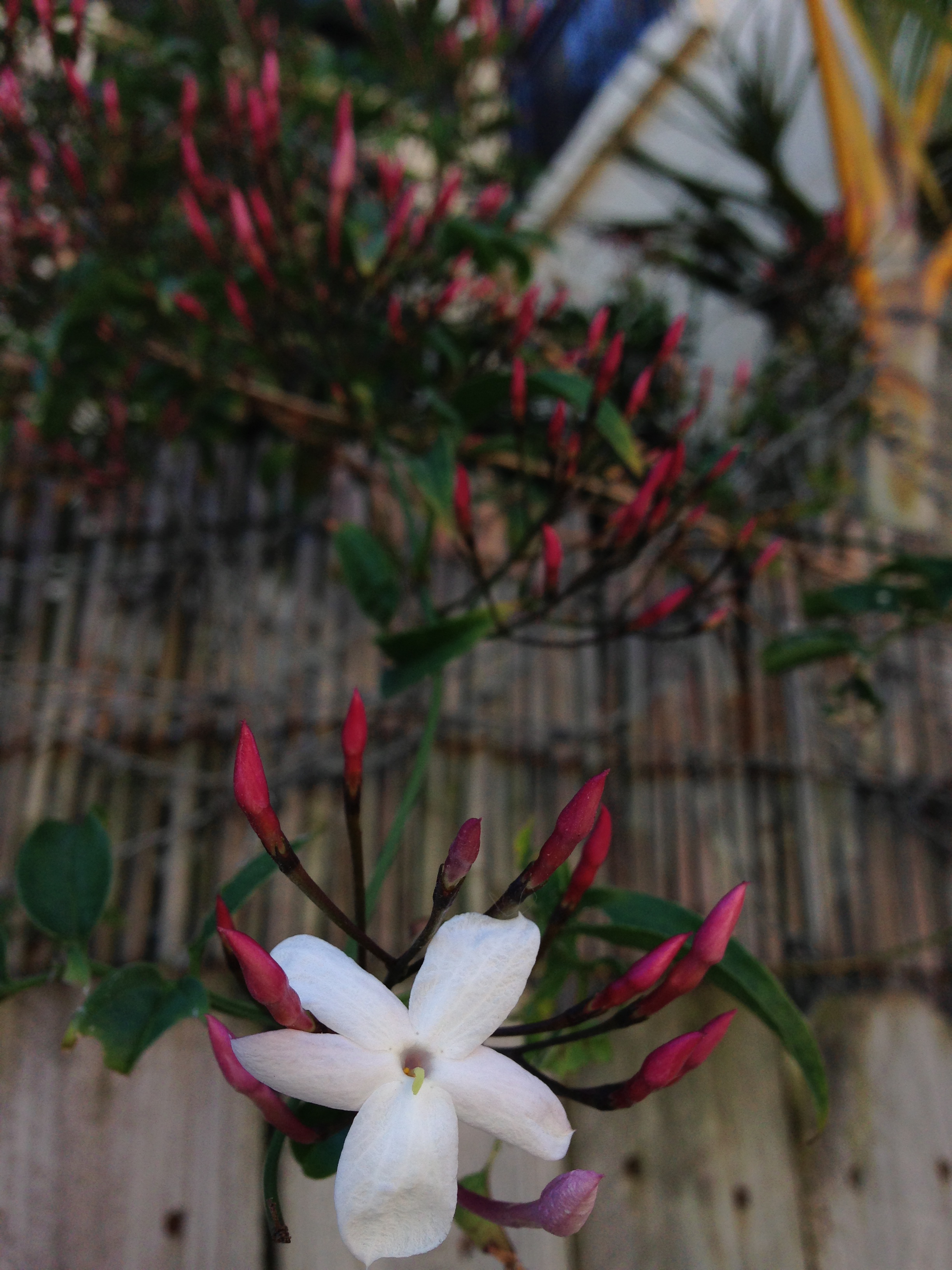
It’s hard to tell by the pic above but these jasmine plants that make stunning essential oils, are slightly different in the look of the petal, but definitely different in the scent.

They do share qualities of being so absolutely divine that one sniff could take you to a new dimension. The oils are concentrated versions of the sweet scent of the blossoms, and are deep and alluring.

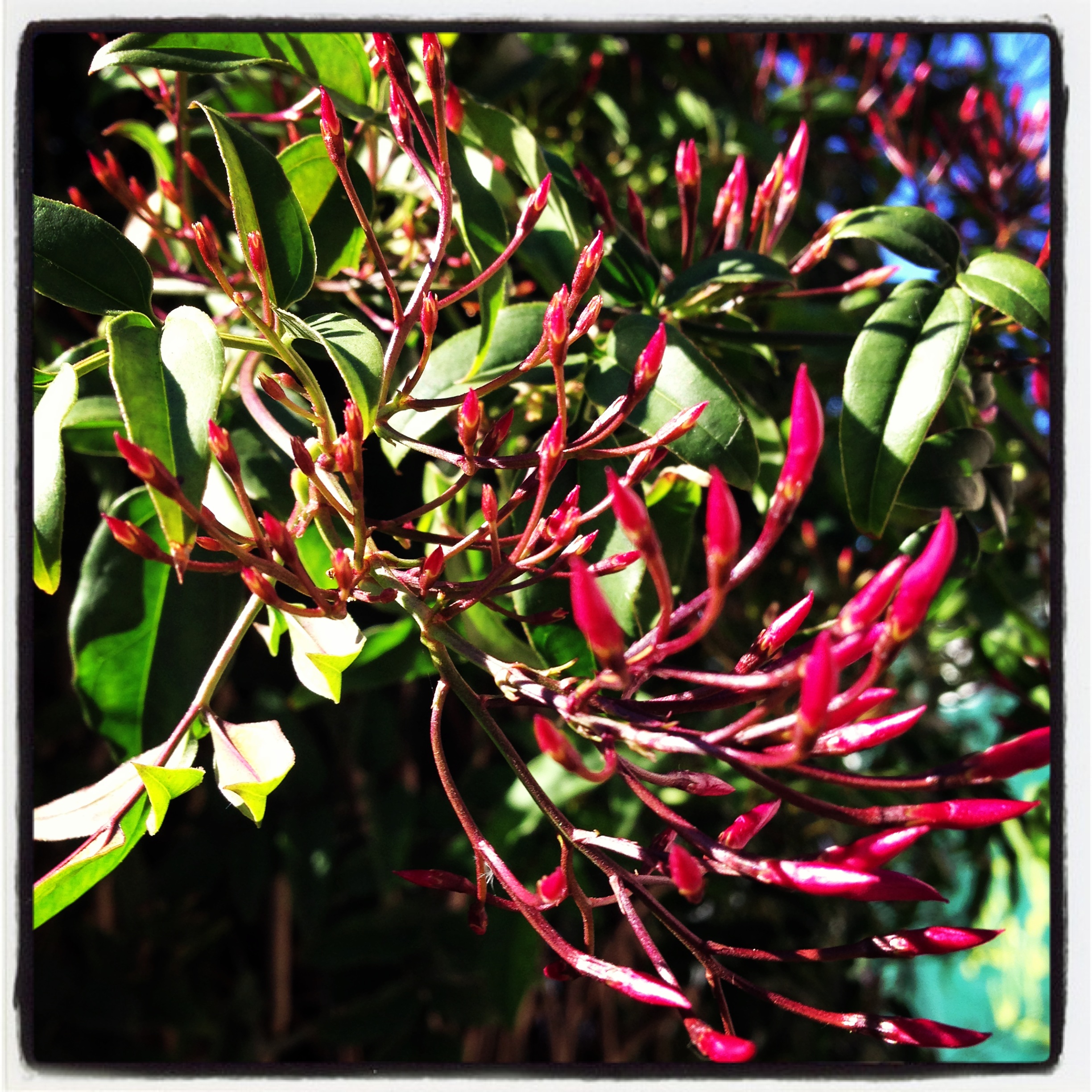
There’s lots of jasmine planted around Sydney and today I got a little excited when I saw the deep pink tinged buds, promising flowers very soon. That means Spring to me and the first step out of winter.

Hooray!

Jasmine in Sydney - the sweet promise of spring!

Jasmine in Sydney – the sweet promise of spring!

Jasminum grandiflorum

This is the classic jasmine we have come to know and love. It is the most common jasmine, but has an uncommon scent.

Sexy

Deep

Alluring

Mouth watering

Floral

Love

Seduction

A promise of things to come………..

Jasmine blooms in the spring – a time to shed the old energy of winter and gather new strength from the sun and warmth. Spring promises a wonderful time taking us into summer. Spring asks us to give everything, and in return promises newness, happiness and love.

The word “promise” always reminds me of K.D. Lang in 1985, when she won a JUNO Award for Most Promising Female Vocalist of the Year and rushed up to claim her award in a wedding gown. She said “no one makes more promises than a bride”.

KD Lang making promises

KD Lang making promise

It’s a perfect flower and oil for weddings as it creates a stunning scented environment of love, romance and (the promise of) sex. It is often used throughout Asia for this very purpose.

Jasmine is a base oil and has always been considered an aphrodisiac as it connects to our lower chakras and inspires kundalini energy. I call jasmine an oil of love and it’s definitely and oil of sexiness too. There’s nothing more promising than a wink, a smile, a kiss.

In Hindu and Muslim traditions it has been known as the oil of romance and the flowers are used in times of seduction and love. In traditional Chinese medicine it is used to tonify the liver and to treat stress and anxiety. Hey why not have a cup of jasmine green tea?

You will mostly find jasmine oil in a 3% blend which is ready to use as a perfume straight from the bottle! See my article for more info on 3% blends in jojoba.

A jasmine blossom in SYdney

A jasmine blossom in Sydney

Jasminum sambac

Oh my if you’ve ever smelt this oil you are the lucky one!

This jasmine is native to Asia and is sometimes known as Arabian jasmine or Indian jasmine. In the Philippines it is called sampaguita, in Indonesia it’s called melati putih, in Sri Lanka Pichcha or Geta pichcha and in Hawaii pikake.

This flower is certainly revered and I remember traveling in India and smelling it everywhere. It is used in Ayurveda for stimulating sexual drive and treating anxiety – can you see how these 2 things are related?

It is intoxicating! It has all the same amazing scent qualities of Jasminum grandiflorum but has a more intriguing, tropical scent. This flower is often used in spiritual ceremonies and used in adorning and beautifying children on their birthdays and women on special occasions.

This is the oil of exotic tales of the “far east” and it promises surprise and delight. It’s heady aroma can hypnotise you in a second and once you have smelt the sweet aroma of the oil or the flower I promise you, you will never be the same again!

Jasminum sambac promises to hypnotise you

Jasminum sambac promises to hypnotise you

If you find this oil it will also be in  3% blend, and once again it’s ready to use straight from the bottle.

When you need some new energy in your life use the jasmines.

When you need to get your sexy on use the jasmines.

When you make a promise to yourself to fulfill your destiny, use the jasmines.

What is your destiny?

What is your destiny?

copyright suzannerbanks 2013

Fennel Oil – Licorice Love

Fennel - Foeniculum vulgare

Fennel – Foeniculum vulgare

Fennel is a great oil and the plant itself has many medicinal uses. Back through history there are many references to the plant as being useful for improving eyesight, aiding digestion and also calming hunger, improving the flow of breast milk, helping to breakdown uric acid in the body and stimulating fluid loss through urinating.

Poets and herbalists have praised this wonderful plant, as did the Romans and the Greeks.

In “Paradise Lost” (a poem first published in ten books in 1667) Milton the English poet, refers the aroma of fennel:

A savoury odour blown,

Grateful to appetite, more pleased my sense

Than smell of sweetest Fennel.

A 17th Century herbalist, William Cole, notes in his 1650 book “Nature’s Paradise”:

‘both the seeds, leaves and root of our Garden Fennel are much used in drinks and broths for those that are grown fat, to abate their unwieldiness and cause them to grow more gaunt and lank.’

Illustration of a Roman army

Illustration of a Roman army

It’s interesting that both these English references are around the same time which indicates that fennel was well used in the 17th century in England. But before that there are tales of Roman soldiers chewing on fennel seeds on the march when there was no time for resting, or perhaps not much food available. They also regarded it as a medicine to improve eyesight.

It is claimed that the Greeks used fennel as a slimming agent and it even appears in their mythology with Prometheus using a stalk of fennel to steal fire from the Gods.
In India you may often find these delicious little treats to aid digestion – sugar-coated fennel seeds.
sugar coated fennel seeds

sugar coated fennel seeds

Today in aromatherapy we use the essential oil of fennel which is steam distilled from the seeds in much the same way as our predecessors did. Fennel oil is used for:
* stimulating regularity of menses
* helping digestion
* acting as a diuretic for fluid retention and bloating
* stimulating flow of mother’s milk
* relieving coughs by breaking down mucous and by acting as an expectorant
fennel flower

fennel flower

I use fennel oil for all these things and also for nurturing. It is a soft, rounded sweet oil and it blends well with many others. I call it “licorice love” which describes its energetic action of softness, of self-care and sweetness.
Try these recipes:
1. Scent Your SpaceIn a traditional oil burner with a candle or a diffuser add 25 drops of oil

“Be Kind”

Fennel        10 drops

Orange       10 drops

Geranium     5 drops

———————————————————————————————————————————-

“Finally A Moment to Myself!”

Fennel        6 drops

Juniper      10 drops

Lavender    6 drops

Patchouli    3 drops

———————————————————————————————————————————-

nourish your skin with oil blends

nourish your skin with oil blends

2. Nourishing Body Oil Blend

For a coat of your body use 3 teaspoons of carrier oil in a little dish and, add 7 – 8 drops of essential oil.

***** Always put the drops of essential oil into the bottle or dish first, then add the carrier oil. It gives the scents time to create a synergistic fusion.

For a 50ml bottle of oil add 25 drops and see my article “Aromatherapy – It’s Easy as 1 2 3”

“Oh The Pain”

to help relieve menstrual pain –

Fennel          3 drops

Peppermint  2 drops

Lavender      3 drops

———————————————————————————————————————————-

“The Silence of Licorice”

To soften your tension and nerves –

Fennel                            2 drops

Bergamot                       3 drops

Roman Chamomile 3%  9 drops *

* see my article for more info on 3% blends in jojoba

———————————————————————————————————————————

Happy mixing and remember to use your intention when you are blending.
See my article about intention.

copyright suzannerbanks 2013

Nutmeg – A Spice Oil of Mysticism and Intrigue!

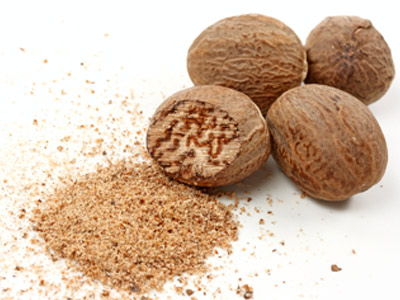
Nutmeg - Myristica fragrans

Nutmeg – Myristica fragrans

Just look at this gorgeous pod of deliciousness!

The red, almost brain-like cover is what mace is made from. The nutmeg we know and love, and use in cooking is hidden underneath. Isn’t nature wonderful? The colours are divine and the nutmeg seed is protected by layers of cellular material. This seed is part of the whole pod which is actually the fruit of this evergreen tree.

The nutmeg tree

The nutmeg tree

Like many spices and spice oils, nutmeg has a rich history spanning, in the very least hundreds of years, and probably even more. Originating from the Banda Islands, north of Timor and west of Papua New Guinea, the trade of this wonderful spice is traced as far back as the middle ages in Europe. You can imagine how long before this the islanders would have used this amazing plant.

In the 1600’s the Dutch East India Company ruled the spice trade and the beautiful islands. They staged a nasty takeover of the islands to absolutely rule and control the supply of nutmeg to the world. When the Brits took over they transplanted many of these nutmeg trees to other islands under British rule and because of this Grenada actually produces 20% of the world’s nutmeg supply. They even have an illustration of the nutmeg on their flag.

The flag of Grenada

The flag of Grenada

Our modern history is quite brutal really. Thank goodness we are now in a time of rapid evolution – the best time to employ essential oils to get us all to the next level of peace and harmony.

The essential oil of nutmeg is steam distilled from the seed and it is high in a-pinene (alpha pinene, b-pinene (beta pinene) and sabinine (also in black pepper oil); with many other constituents including camphene. We know that camphene (and other types of camphor molecules) are warming and stimulating constituents – and so is the oil of nutmeg.

The traditional uses of nutmeg include:

* to ease the symptoms of colds and flu

* as a tonic to warm the body

* as a treatment for all things digestive – to stimulate appetite, to treat nausea and vomiting and to generally stimulate the digestive fire

* as an anti-inflammatory agent especially in the treatment of arthritis and swelling of the joints

* to warm aching muscles and joints

The nutmeg spice is known as an hallucinogen due to a chemical constituent called elemecin, which Wikipedia claims is similar to the properties of mescaline. According to Salvatore Battaglia (an aromatherapist and author of a great book called “The Complete Guide to Aromatherapy”), this is lost in the distillation process and is not present in the oil.

Isn’t it interesting that the red mace covering of the seed looks like a brain – and that the seed can effect the brain, inspiring whacky mind visions!

nutmeg

nutmeg

I use this oil as a connection to spirit – as an awakening oil of the mind and the higher chakras. I find nutmeg oil to be expansive on all levels of our existence – the physical, the emotional, the mental and the spiritual. And just the fact that it’s called “myristica”, I always think of this oil as an agent of attaining our mystical existence, and accessing our mystical guides. I use this oil when I need to connect to universal intelligence.

Try these recipes:

1. Pure Pulse Point Perfume

In a little dish mix these oils and anoint your pulse points or chakras – 3 drops of essential oils and dilute with a few drops of carrier oil – always patch test first!

“Sweet Release”

Allow divine guidance to enter your world

Nutmeg        2 drops * patch test first as nutmeg could be sensitising to the skin

Orange         1 drop

————————————————————————————————————————————–

2. Scent Your Space

In a traditional oil burner with a candle or a diffuser add 25 drops of oil

“Intergalactic Love”

Reach out into the universe with love

Nutmeg        10 drops

Rosewood     8 drops

Mandarin       6 drops

————————————————————————————————————————————–

Remember to use your intention when you are blending, it will add to the creation process and also be an exercise in using your intuition.

copyright suzannerbanks 2013

Amber – A Complicated Story

Baltic Amber - from a few different species in the Mediteranean

Baltic Amber – from a few different tree species in the Mediterranean

The other day my client asked me about amber oil. I told her that I’d researched it years ago and that it didn’t seem to be straight forward – and that I’d forgotten everything too, and that I never used it. She had a little sample of resin and it did smell beautiful. So what is her sample, really?

It seems there’s a few stories floating around out there which include –

Ambergris – sperm whale vomit or poo

Liquidambar orientalis – the sap from the tree

Baltic amber or succinite – the hard crystals we know that are used for jewelly

and

Pinus succinefera fossil – fossilised sap

Here’s what I can gather about the truth of Amber oil.

Ambergris

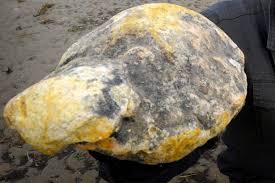
ambergris - I think

ambergris – I think

Ah yes the lovely scent of sperm whale poo and vomit. The ambergris seems to be a secretion in the digestive system of the whale to protect it’s gut from spikey cuttlefish. It is excreted with fecal matter, or regurgitated if the amount is too large to pass.The story goes that this intriguing substance was found around the Atlantic Ocean along the shorelines of many countries including Australia and NZ, Japan, South Africa, The Maldives and other areas in the world. Apparently as it aged, the scent changed to a sweet balsamic, earthy odour and was therefore grabbed and distilled by perfumers to use as a fixative in scents. It can still be found today and is worth a lot of money! If you have a perfume with that listed it would be synthetic. All perfume is synthetic anyway, so don’t panic, there’s no vomit in your fragrance.

Liquidambar orientalis

This seems to have more credit in the ‘amber stakes’. The name also has “amber” in it so there’s a bit of a hint (or coincidence). This gorgeous tree is planted all over Sydney and I believe it originates from the Mediterranean region, particularly in Turkey. The trees are referred to generally as “sweet gum” and these forests in Turkey (according to wikipedia) are under threat due to dam building and clearing for agriculture. This oil is also produced in India, and the tree is also native to India.

In English, this oil is known under several names, shortly as Storax to include all sweetgum oils, or as Styrax Levant, Asiatic Storax, Balsam Storax, Liquid Storax, Oriental Sweetgum Oil, or Turkish Sweetgum Oil. …. it is used externally in traditional medicine for abrasions, anxiety, bronchitis, catarrh, coughs, cuts, ringworm, scabies, stress-related conditions and wounds. It is a different product than the benzoin resin produced from tropical trees in the genus Styrax.

Wikipedia

I have never used this oil but now I’m a bit desperate for it. It sounds bloody gorgeous. We had a beautiful liquid amber tree in our backyard when I was growing up. I did a school project on it – if I’d only know it contained a medicinal, scented secret!

As with Frankincense and Myrrh, the tree is tapped and the sap collected. To produce the oil, the resin then undergoes steam distillation.

Baltic Amber

Baltic Amber with a fossilised insect

Baltic Amber with a fossilised insect

Baltic amber refers to fossilised tree resin from a variety of conifers living around the Scandinavian countires and the Baltic region. The Pinus succinefera is one of these trees and this stone is sometimes referred to as succinite (and also because it contains succinic acid).The Baltic region contains most of the world’s supply of amber which could be between 40 to 60 million years old! Oh dear should we really be digging this up?

So this leads us to the claims that this stone can produce a resin, then an oil.

Pinus succinefera – fossil

Pinus succinefera - the fossil - also possibly Baltic amber

Pinus succinefera – the fossil – also possibly Baltic amber

This fossil relates to the Baltic Amber above. But can the stone produce this oil? How is it extracted? Dry distillation could be used, whereby a solid is heated to produce gasses and materials which are then condensed and collected. This is a fossilized resin so I’m wondering if the claims that the oil is Pinus succinefera – fossil, are false.

There are stories of this stone and resin/oil being used by the Romans and Greeks to use medicinally and in rituals. Did they have dry distillation techniques or were they collecting sap and distilling it?

It’s all very interesting and if anyone has anything to add or can clarify any of these claims I’d be grateful. Just leave a comment.

My money is on Liquidamber orientalis but none of my trusted suppliers sell this. Hmmmmm.


copyright suzannerbanks 2013