3 Essential Oils to Help You Stop Obsessing About Something

Please check out my new book REVELATION! – Reveal Your Destiny with Essential Oils

Amazon USA      Amazon AU      Amazon UK


3 Essential Oils to Help you Stop Obsessing About Something

 

An over-thinking mind can create even more stress

An over-thinking mind can create even more stress

Have you ever had an argument, an altercation with someone, a problem at work, a nasty email or letter, a bitchy comment on social media? One that you can’t seem to shake?

Sometimes we find ourselves obsessing about these kinds of human issues, and we can’t seem to let go of them. We replay the situation over and over in our minds. This leads to invoking the emotional response all through the body, which then brings back the same angst as if the situation had just occurred.

So then our body hitches a ride with our mind, and they feed off each other leading to a continual circle of stress, elevating all our stress responses in the body; which keep the mind fueled to keep on re-hashing the same thing.

Basically it’s a stress response which is harmful to us as a whole when it keeps going, and going, and going.
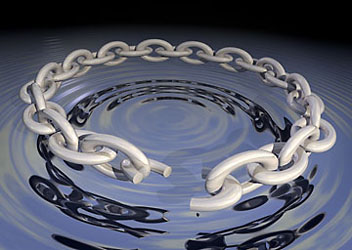
Break the chains of stress pic via ww.laffeycomputer.com

Break the chains of stress pic via ww.laffeycomputer.com

Breaking the cycle of stress can be a little easier with essential oils and hopefully you’ll be able to stop yourself from even starting next time. Sniffing an essential oil will change your focus in a matter of seconds, which is enough space for you to take back your power over a detrimental negative state.

Try these oils by having a sniff straight from the bottle. be careful not to over expose yourself to the oils as they can create headaches. Alternatively scent your space with a traditional oil burner or diffuser which will be a more gentle way to come down.

Lavender gives you strength

Lavender gives you strength

1. Lavender

To me lavender is the oil of solidarity. It not only helps relieve stress but its ancient herbal magic can really help you relax, revive and regain strength.

A few drops in the bottom of the shower will help cleanse and fortify you with a little calm thrown in for good measure.

Lavender’s purple colour is the colour of the Third Eye and Crown chakras, opening you to the abundant intelligence of the universe.


Lemon - gorgeous simplicity

Lemon – gorgeous simplicity

2. Lemon

Lemon essential oil is simply wonderful. Lemon is light and sparkly and lovely and it’s refreshing too. It helps you reload the page of your mind and refresh the content.

This oil is perfect for a whiff straight from the bottle.

The yellow colour of lemons relates to the Solar Plexus chakra which is the energy centre of desiring good things for ourselves (including good feelings!).

 

The blue of german chamomile looks a bit like this - pic via s296.photobucket.com

The blue of German chamomile looks a bit like this


3. German Chamomile

When the petite German chamomile flower is distilled a chemical component is change into chamazulene which gives it a deep blue colour. This chamomile is an anti-inflammatory oil and is often found in a 3% dilution as it’s quite expensive.

This essential oil will help you chill out and it would be perfect as a drop on your wrists, heart or throat so its steady evaporation will keep you stay calm too. You will find a chance here in this space, to release tension and stressful thoughts and feelings. You will be able to be aware of the thoughts you no longer need.

The deep blue of German chamomile relates to the heart chakra, stimulating you to open your heart energy and infuse compassion into the situation you want to release.
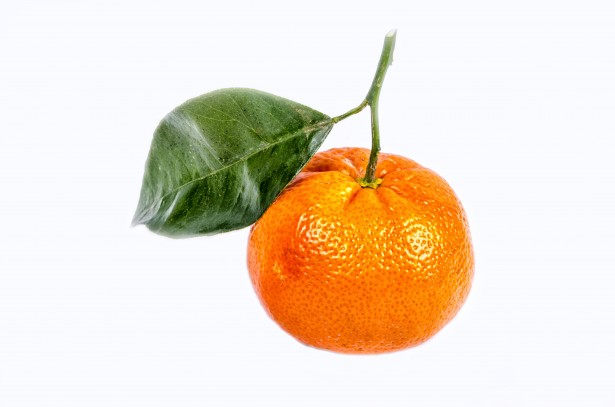
yum!

yum!

So if you have one of those moments when you keep replaying that movie over and over again in your mind. Grab an essential oil and have a whiff to help change your focus and reclaim your power and energy from the situation.

If you don’t have an essential oil, sniff a piece of citrus fruit or cut of some of rind and squeeze it all around you to release the essential oils from the skin. Actually why not just eat it first and THEN sniff the skin.

If you can’t find a piece of citrus fruit, smell a sweet flower walking down the street or open some spice jars and sniff the good stuff – cinnamon, nutmeg, cloves, ginger …………..

Remember to treat yourself first, then everyone will benefit.

copryright SR Banks


Spirituality

Please check out my new book REVELATION! – Reveal Your Destiny with Essential Oils

Amazon USA      Amazon AU      Amazon UK


Chapter 5

Spirituality

Another look in between the covers of my book

Revelation! Reveal Your Destiny with Essential Oils

Revelation! Reveal Your Destiny with Essential Oils


Chapter 5

Spirituality

“You have to grow from the inside out. None can teach you, none can make you spiritual. There is no other teacher than your own soul”

Swami Vivekananda


In this chapter in my book I look at the importance of meditation and intuition within the subject of essential oils and spirituality. Which ever way you see it, both meditation and intuition are practices in looking within to find the answers to the questions we seek.

Meditation creates positive ripples in your environment

Meditation creates positive ripples in your environment

Essential oils will definitely enhance your meditation experience and one of those oils is…..

Frankincencse

This ancient oil is THE oil for relaxation as it has an effect on the lungs by opening the bronchi and encouraging deeper slower breathing. Used in some religions and churches for thousands of years, this oil is distilled from the resin that is tapped straight from the tree. If you find it difficult to sit quietly and meditate, vapourise essential oil of frankincense and have another go. You will be calmed by its magic.


Use your intuition (borrowed from eventexperts.com.au)

Use your intuition (pic from eventexperts.com.au)

Developing and/or acknowledging your intuition can be fortified using essential oils – by the way in which you choose them to treat yourself. As a novice essential oil user its fun to play the game of “which essential oils should I use/buy?”. Allowing yourself to be guided by your feelings is a perfect way to open yourself to your own genius that lies within.

When I first started practising Aromatherapy I would choose the oils for my client, and while they were getting on the massage table, I’d quickly flick through a book to work out why I had chosen those particular oils, so I would have something to tell them. After a while I slipped more easily to an intuitive state, and combined with my intention, the oils would be the perfect combination (of course!).

Basil

Basil is a clearing and opening oil for the upper chakras, and while it’s stimulating to the mind it can also help you go beyond your thoughts to connect straight to universal intelligence. Even tearing up a basil leaf and crushing it between your fingers then inhaling, can do wonders for your soul.

There are so many more oils I attribute to bringing a more vital knowledge of spirit, and you probably have your own too! To find out what other oils I have on my spirituality list check my book out using these links:

Amazon USA      Amazon AU      Amazon UK


Happy blending and remember to use your intention when you are creating your formulas. See my article about intention.

copryright SR Banks

Happiness

Please check out my new book REVELATION! – Reveal Your Destiny with Essential Oils

Amazon USA      Amazon AU      Amazon UK


Chapter 4

Happiness

Another look in between the covers of my book

Revelation! Reveal Your Destiny with Essential Oils

Revelation! Reveal Your Destiny with Essential Oils


Chapter 4

Happiness

“Happiness is not something ready made. It comes from your own actions”

14th and present Dalai  Lama


Sometimes the word happiness freaks people out. I don’t know why. I know all my readers here on the blog are already connected to a higher purpose and realise that happiness is actually a sate of being, achieved by actually practising the art of happiness. I suppose it’s like the chicken and the egg – which came first? Happiness or being happy? Hmmmm…….

In my book, I talk about oils that I believe can inspire happiness, because when you smell them they make you smile and breathe a sigh of relief. Sometimes the energetic field of an essential oil can make you perk up too.

Oranges and orange oil can make you happy!

Oranges and orange oil can make you happy!

A quote from my book:

“Orange

innocence, sweet simplicity


A sweet way to view life is with a drop of orange oil. Children particularly love this oil, so it must resonate with innocence and simplicity. Children are wonderful at being able to grasp the big concepts in life without the boring little details. If you want to see the world through a child’s eyes, with a sense of fun and without clutter, use essential oil of orange. Orange oil will add sweetness to your potion too, so don’t be afraid to use it lavishly.”


When you open a bottle of orange oil is does make you smile, and it’s so true to the fruit its wonderful. There are many oils I list as happiness oils and each lend their own energy to giving you a burst of sunshine when you need it most.


It's hard to tell the difference between spearmint and peppermint just by looking at it - by scent its easy!

It’s hard to tell the difference between spearmint and peppermint just by looking at it – by scent its easy!

A quote from my book

“Spearmint

lighten up


Spearmint gets a bad wrap and always comes second to peppermint. Spearmint is another essential oil used as a flavouring and it is mostly found in chewing gum and toothpaste. Try and look beyond its limited uses and embrace the softness of this gorgeous oil.

To me, spearmint is a lot less intense than peppermint and it works well with other oils in moisturiser blends. Bring a sense of playfulness into your day by taking a huge sniff of spearmint oil. Use it when you find yourself clenching your jaw and generally being too serious about things. When you lighten up and put everything into perspective, happiness flows more easily.”


There are so many more oils I attribute to bringing happiness, and you probably have your own too! To find out what other oils I have on my happiness list check my book out using these links:

Amazon USA      Amazon AU      Amazon UK


Happy blending and remember to use your intention when you are creating your formulas. See my article about intention.

copryright SR Banks


There’s More Than One Eucalyptus Oil!

Please check out my new book REVELATION! – Reveal Your Destiny with Essential Oils

Amazon USA      Amazon AU      Amazon UK


There’s More Than One Eucalyptus Oil!

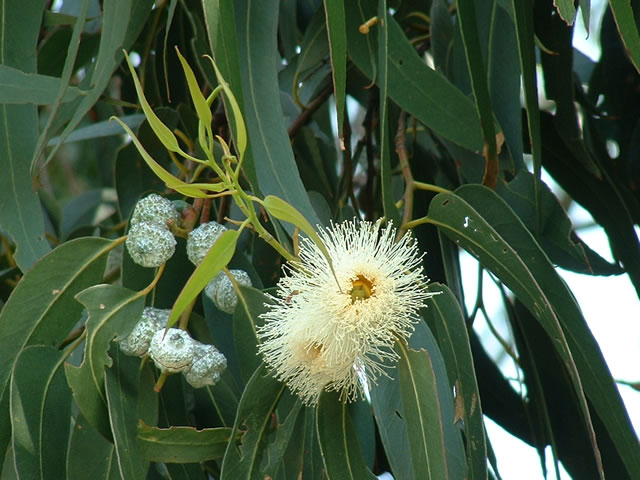
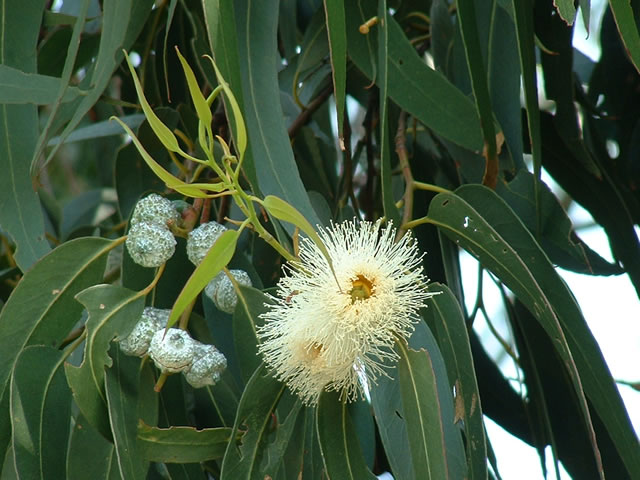
Eucalyptus globulus - pic via www.wildseedtasmania.com.au

Eucalyptus globulus – pic via http://www.wildseedtasmania.com.au


I love Eucalyptus!

1. Eucalyptus globulus

This eucalyptus tree – the “blue gum” – is the one most used to produce the essential oil. According to Wikipedia it’s also called the Tasmanian Blue Gum or Southern Blue Gum too. You are probably going to get Eucalyptus globulus when you buy eucalyptus oil. This oil is sharp, strong, clean and fresh and is the classic, most identifiable eucalyptus scent.This oil has been produced for nearly a century and the main production now comes from China. There are many of these trees in the USA too and other warm climates. The tree is easily able to adapt, and because of this it has been the most planted eucalyptus tree in the world.

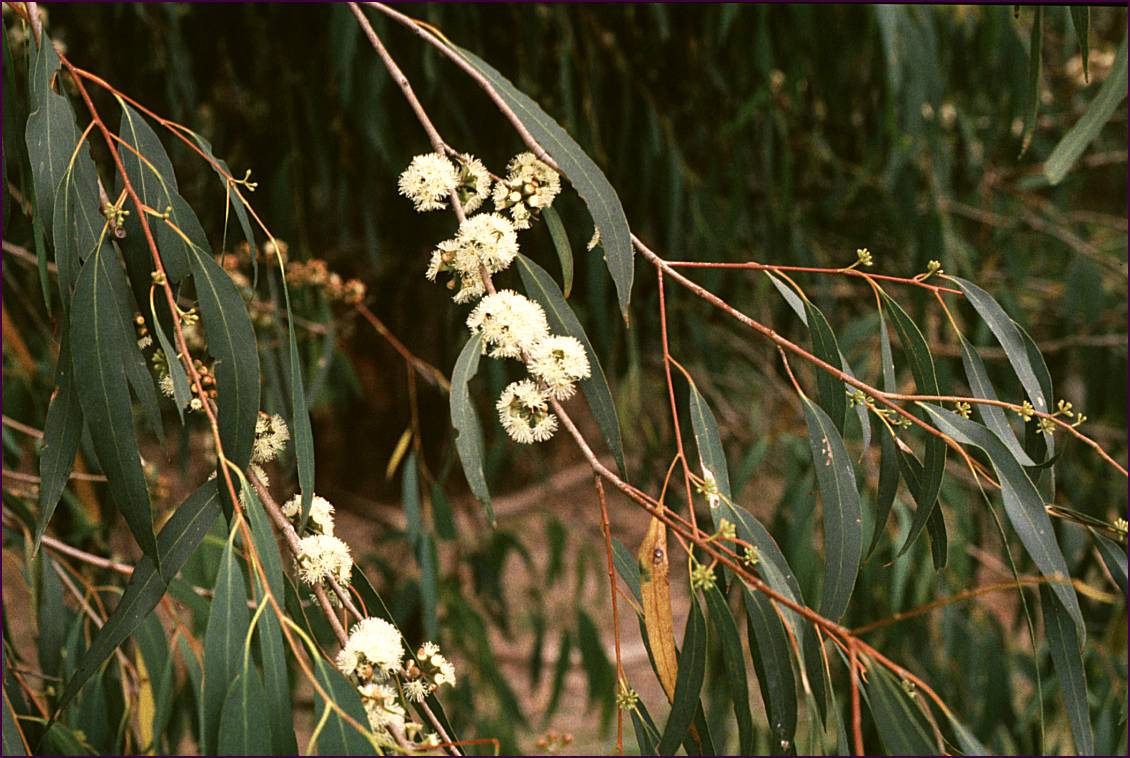
Eucalyptus radiata

Eucalyptus radiata

2. Eucalyptus radiata

This is also called the “narrow-leaved peppermint gum” and there seem to be quite a few chemotypes (different scents). I buy this as my everyday eucalyptus oil, as it’s a bit milder and sweeter in scent than the globulus. It still has the same amazing qualities of globulus, and in fact all the eucalypts (as with the melaleucas – see my post “All the Australian Melaleucas”, share similar properties. I recommend trying this lovely oil next time you need some eucalyptus oil.

Eucalyptus polybractea

Eucalyptus polybractea

3. Eucalyptus polybractea

This is the ‘Blue mallee’ tree. The oil from this tree has a high cineole content (1,8-cineole is one of the particular active ingredients in eucalyptus tree), which gives it a camphorous and pungent scent. Penetrating and sharp, it is less likely to be found when searching for “eucalyptus oil”, but I have bought blue mallee oil from supermarkets here in Australia and it’s inexpensive and gorgeous. I think there is one brand I found in a supermarket that’s also organic. Even looking at these three pictures it’s hard to distinguish the difference in the look of the leaves and flowers.

Eucalyptus citriodora

Eucalyptus citriodora

4. Eucalyptus citriodora

Yep if you guessed lemon scented you’d be right. It has a citronella/lemon scent, a bit like lemon tea tree, but not really. It is high in citronellal and that would explain the scent. It is a warm, almost herbaceous lemon scent and has different shaped leaves to the others discussed so far. I don’t really use this oil although I do carry it in my kit. I would probably use a classic eucalyptus with another lemon scented oil if I need that combination.

Eucalyptus dives

Eucalyptus dives

5. Eucalyptus dives

This eucalyptus tree is also used to distill essential oils, but I don’t really use this one a lot either. In fact I don’t think I even have any. Its common name is “broad-leaved peppermint” (radiata was called narrow-leaved peppermint). It has a couple of chemotypes that produce oils and once again the constituents are particular to its type but include the 1,8-cineole, common to all eucalypts. I can’t describe the scent as I can’t remember the last time I used it or smelled it. It is however used for its high piperitone content which gives it a pepperminty-camphorous scent.

Eucalyptus piperita

Eucalyptus piperita

6. Eucalyptus piperita

Wikipedia claims this is called “Sydney peppermint” but I’ve never heard that. Can’t say I ever smelled the oil either but this one is also high in piperitone too. I’ve never looked for it for sale but I’m sure someone makes it. The English phyto-chemist H. G. Smith who moved here in the late 1800’s, wrote a paper on the volatile oil of Eucalyptus piperita and also wrote a book with his colleague on the Eucalypts of Australia.

Eucalyptus smithii

Eucalyptus smithii

7. Eucalyptus smithii

This is the “gully gum” also found in South Africa where this is the main eucalyptus for oil production. It was named after Mr Smith (from the paragraph above) and is quite high in 1,8-cineole. It has that classic eucalyptus scent and all the qualities you would expect:

*decongestant

*astringent

*analgesic

*anti-septic

*expectorant

and the list goes on. It’s typically used for colds, flu, coughs and many respiratory complaints and is warming and refreshing.

Get some eucalyptus oil in your house NOW! It has a simple yet very strong message –

“cleanse, clarify, open your mind”


copryright SR Banks

10 Recipes with Himalayan Cedarwood – Cedrus deodora

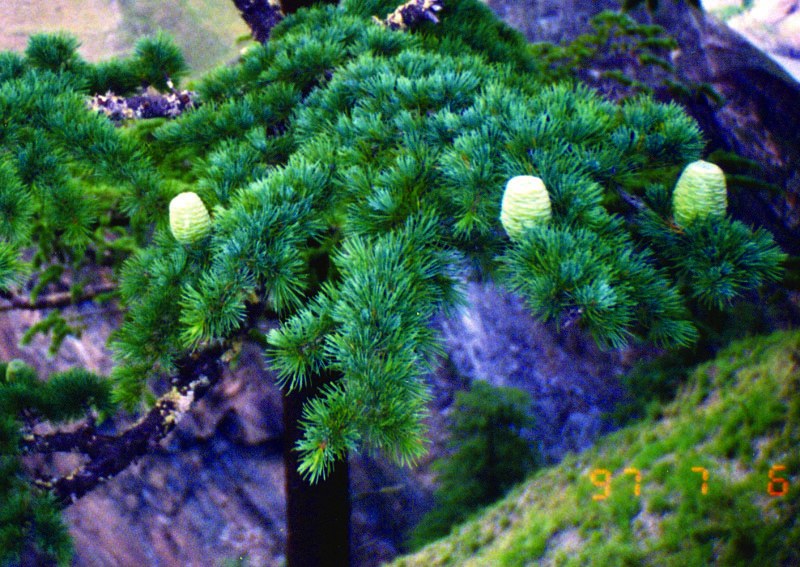
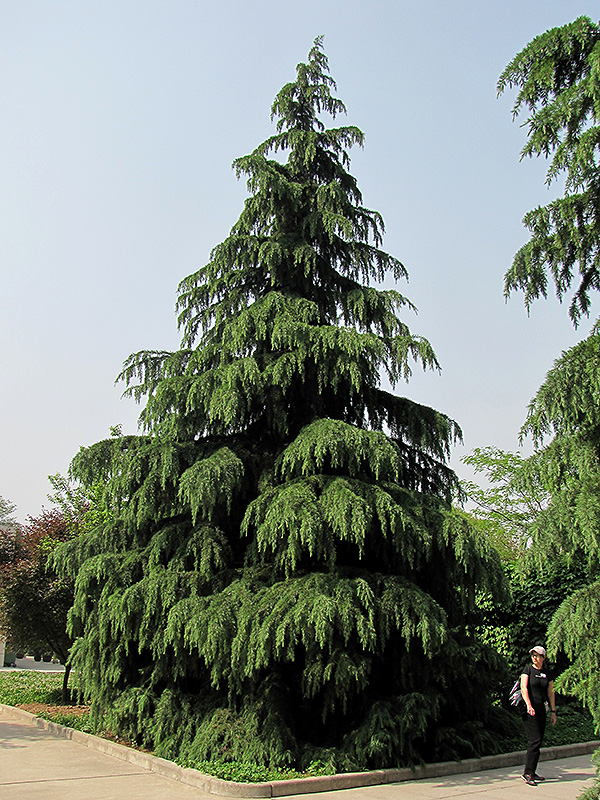
Stunning pic of Himalayan cedarwood via www.efloras.org credit KK Shrestha

Stunning pic of Himalayan cedarwood via http://www.efloras.org credit KK Shrestha

Himalayan cedarwood has a deep history in Hindu traditions, as a tree that creates sacred forests, spurring a closer connection to Shiva through meditation. In Ayurveda the oil has been used to treat bronchial and lung disorders, urinary tract infections and to release fluid from the body. The oil is also considered a spiritual oil which helps to expand consciousness. In modern aromatherapy it is used for the same issues, and has a much softer, creamier scent than Atlas cedarwood or Virginian cedarwood (which is actually a juniper tree).

Let’s check out some recipes –

Face mask it!

Face mask it!

1. Face Mask

Usually I add 1 or 2 drops of oil to 2 teaspoons of clay, and add water, floral water or hydrosol. Keep the mask on for 5 minutes then rinse off with cool water. Mist with a hydrosol or floral water and moisturise.

Great for oily or acne skin add 1 drop of Himalayan cedarwood to some pink clay for a clarifying and toning mask.

—————————————————————————————————————–

Nourish your body with a beautiful oil blend - pic via redbookmag.com

Nourish your body with a beautiful oil blend – pic via redbookmag.com

2. Nourishing Body Oil Blend

For a coat of your body use 3 teaspoons of carrier oil in a little dish and, add 7 – 8 drops of essential oil. It’s always best to patch test first, before you apply all over.

***** Always put the drops of essential oil into the bottle or dish first, then add the carrier oil. It gives the scents time to create a synergistic fusion.

For a 50ml bottle of oil add 25 drops and see my articles “Ratios for Blending Essential Oils – A Reminder of the Basics” and “Aromatherapy – It’s Easy as 1 2 3”

“I’m the One and Only”

Respect yourself –

Himalayan cedarwood       2 drops

Orange                              4 drops

Lavender                            2 drops

——————————————————————————————————————

“Forest of Dreams”

Click into the vibes of the sacred Deodora forests –

Himalayan cedarwood       2 drops

Rosewood                         3 drops

Bergamot                          3 drops

——————————————————————————————————————

“Energy Now!”

Himalayan cedarwood       3 drops

Lemongrass                      4 drops

——————————————————————————————————————

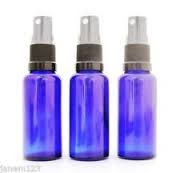
A personal mist is easy to make! pic via ebay.com.au

A personal mist is easy to make! pic via ebay.com.au

3. Personal Aura Cleansing Mist & Room Mist

In a 50ml mist bottle filled with water add 25 drops of oil

(depending on the packaging you have, you may need to use a little alcohol -like vodka- at the bottom of your bottle first, so the oils disperse into smaller drops to prevent clogging the atomiser top. I’ve found sometimes it works just with water, and sometimes it doesn’t – very annoying!)

“Portable Sacred Space”

Himalayan cedarwood       8 drops

Mandarin                         10 drops

May Chang                        4 drops

Sage                                  3 drops

——————————————————————————————————————

“Meditation Anywhere”

Himalayan cedarwood       6 drops

Frankincense                  12 drops

Lime                                 7 drops

——————————————————————————————————————

“Overthinking, 0: Feeling, 1”

Himalayan cedarwood       8 drops

Peru balsam                      8 drops

Ginger                               4 drops

Geranium                          4 drops

Vetiver                               1 drop

——————————————————————————————————————

Anoint yourself with pure essential oil blends

Anoint yourself with pure essential oil blends

4. Pure Pulse Point Perfume

In a little dish mix these oils and anoint your pulse points or chakras – 3 drops of essential oils and dilute with a few drops of carrier oil – always patch test first!

“Thankful”

Himalayan cedarwood       1 drop

Lemon                               1 drop

Ylang Ylang                        1 drop

——————————————————————————————————————

Changing my Epi-Genetic Markers”

Himalayan cedarwood       1 drop

Jasmine 3%                       4 drops * see my article for more info on 3% blends in jojoba

——————————————————————————————————————

“Inter Stellar Travel”

Himalayan cedarwood       1 drop

Roman Chamomile 3%      4 drops * see my article for more info on 3% blends in jojoba

——————————————————————————————————————

Happy blending and remember to use your intention when you are creating your formulas.See my article about intention.

copyright suzannerbanks 2013


Himalayan Cedarwood – Cedrus deodora

The shaggy Christmas tree type of Cedrus deodora - pic via plants.plantcrazy.ca

The shaggy Christmas tree type of Cedrus deodora – pic via plants.plantcrazy.ca

While I was searching for some good pics of Himalayan cedarwood I came across a few species variations, but they all look gorgeous – especially the one above which looks like the perfect Christmas tree to me. This cedarwood comes from the Pinacae family and the genus Cedrus (like Atlas and Lebanon cedars but not Virginian cedar which is actually a juniper).

The essential oil of Himalayan cedarwood is steam distilled from the wood, however I can’t find any evidence to support the notion that the needles are also used. I would have thought some twigs and leaves would also be used in the distillation process, but at any rate it’s a bloody gorgeous oil. It has an almost creamy, spicy, woody scent which seems much more rounded than Cedar Atlas and has roots in Ayurvedic medicine and spirituality on the sub-continent of India. Traditionally in India, the forests of Cedrus deodora have been regarded as sacred places, maybe even where one could reach a clearer connection with Shiva. In one of my Ayurvedic Aromatherapy books, the author Farida Irani claims the wood is offered to Ganesha, the remover of obstacles. Both these Gods are part of the Hindu religion.

It’s also the national tree of Pakistan.

In both Ayurveda and traditional aromatherapy this cedarwood is indicated to treat –

* respiratory tract infections, particularly the lungs as it is a drying oil

* urinary tract disorders

* fluid retention

* oily and acne skin.


Up close and personal with Himalayan cedarwood - pic via www.arbolesyarbustos.com

Up close and personal with Himalayan cedarwood – pic via http://www.arbolesyarbustos.com

As with many essential oils Himalayan Cedarwood is used to treat anxiety and stress related conditions and isn’t it interesting that many essential oils are used for the same thing.

Why?

By smelling an essential oil your brain responds almost immediately to the stimulus and starts to bring about change. This change could be anything from a change in emotion, a stimulus to the hormone producing centres in the brain and/or a shift in consciousness. These moments can start to breakdown resistance to the flow of life and therefore be interpreted as lessening stress. The outcome will be stronger the more you like the scent of the oil, and the more you are willing to release negativity.


One type of Himalayan cedrawood - pic via loneelder.7thcrow.com

One type of Himalayan cedrawood – pic via loneelder.7thcrow.com

Enhanced connection to spirit is often a claim when using essential oils and I wholeheartedly agree with this surmise. Essential oils are little drops of coded information, on which the future of the universe rides. Delve into a scented paradise and try to disprove me; you won’t be able to as you continue to expand exponentially!

Stay tuned for 10 Recipes with Cedrus deodora!

copyright suzanne


Caraway Essential Oil – What’s That Used For?

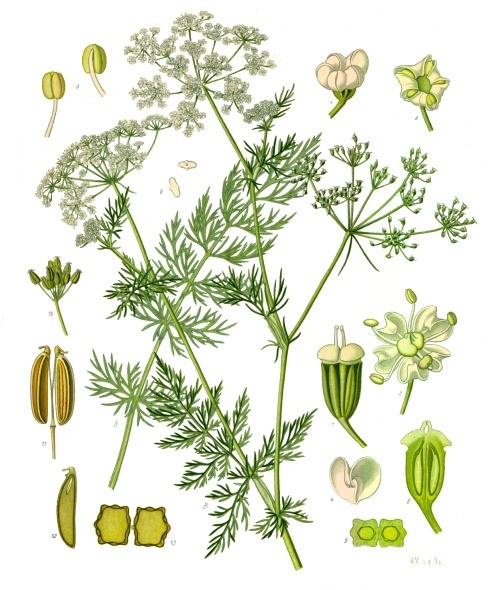
Caraway botanical drawing from Kohler's Medizinal Pflanzen

Caraway botanical drawing from Kohler’s Medizinal Pflanzen

Caraway essential oil is steam distilled from the caraway seed of the plant Carum carvi. This belongs to the Umbellifrae (also known as Apiacae) family and the genus Carum. Other similar plants belonging to the same family are fennel, parsley, carrot, angelica, anise, celery, chervil, coriander, cumin, dill, and parsnip, just to name a few.

I have never used this oil in my practice because it doesn’t have many traditional uses in Aromatherapy and other more common oils are usually used for therapeutic value, like fennel. I couldn’t find a typical analysis, which gives the breakdown of chemical constituents in an oil, but I have found some basic information naming the major active ingredients.

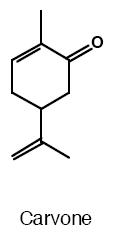
Carvone - pic via www.scienceforums.net

Carvone – pic via http://www.scienceforums.net

According to Wikipedia:

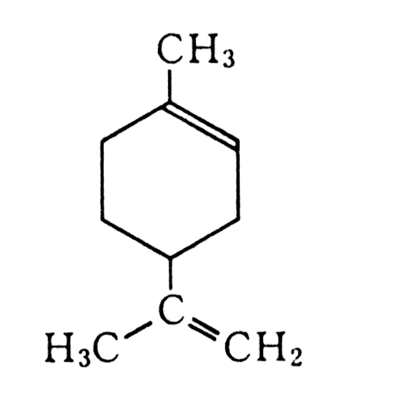
“The fruits, usually used whole, have a pungent, anise-like flavor and aroma that comes from essential oils, mostly carvone and limonene.[10] Anethole, generally regarded as a minor product in the essential oil of this species, has also been found to be a major component.”


And from a paper 1994 UPDATE ON ESSENTIAL OILS IN SASKATCHEWAN SPICE CROPS by F. Sosulsk$, A.E. Slinkard and G. Arganosa:

“Carvone contributes the typical aroma of caraway seed and the carvone to limonene ratio in the essential oil should be 60:40”


Limonene pic via dennou-k.gaia.h.kyoto-u.ac.jp

Limonene

It is important to note that even when we have a chemical breakdown of an oil, we must consider it as a whole and remember the old adage “the whole is greater than the sum of it’s parts”. This means we can expect an oil to behave in a certain way when we find out what molecules it contains, but there will also be a unique signature that lends itself to other properties too.

Caraway essential oil could be used for digestion, as for fennel and aniseed. Regulating menses and attendant pain could also be helped by caraway oil, but I would probably just stick with fennel. In these instances I would dilute a drop or two in some carrier oil and rub all over the stomach and lower back. I would also use caraway for coughs and lung problems (especially catarrh) in a steam inhalation


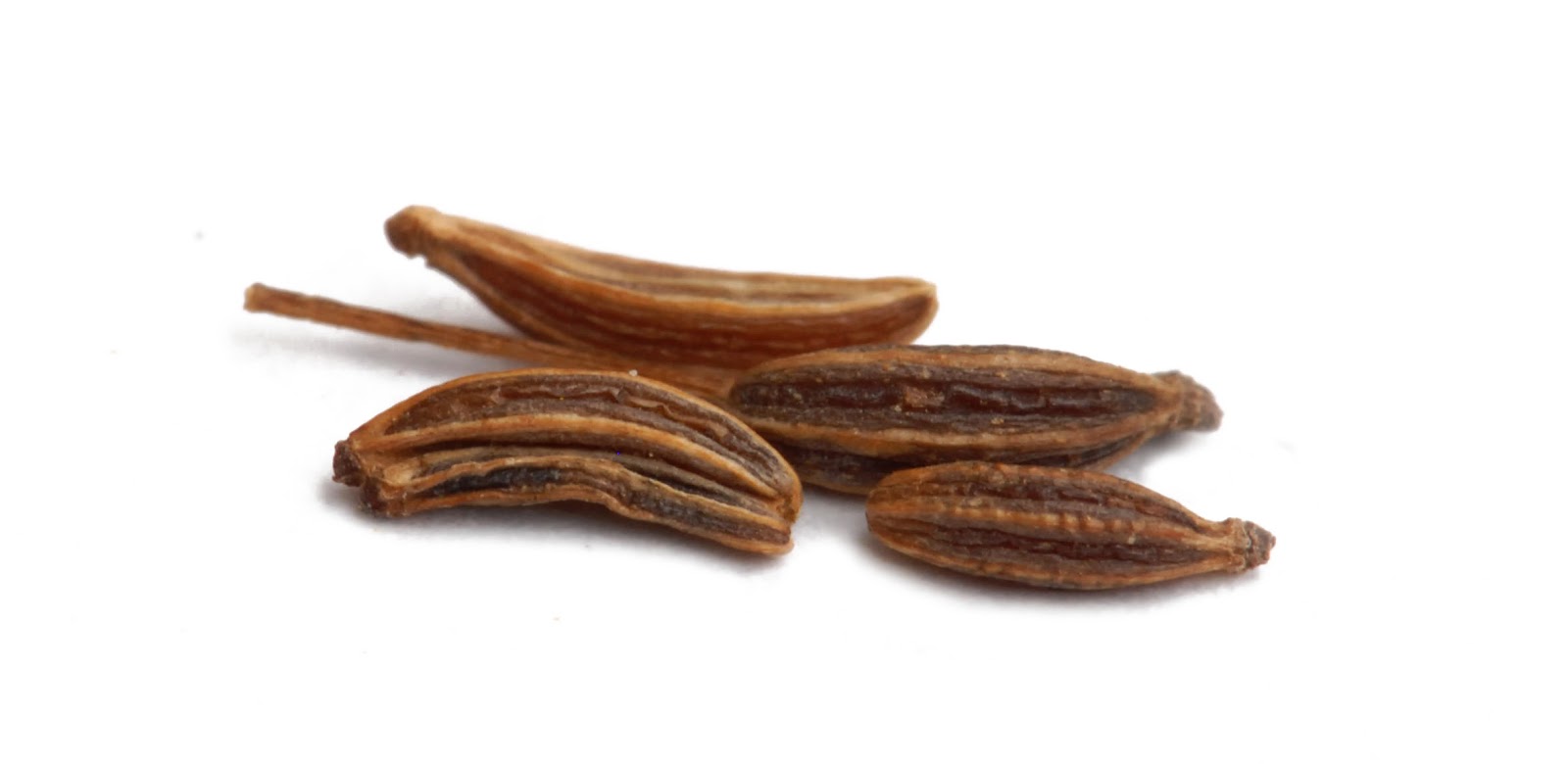
Caraway seeds - they look like fennel seeds don'y they? pic via bhleurope.blogspot.com

Caraway seeds – they look like fennel seeds don’t they? pic via bhleurope.blogspot.com

According to Aromatherapist Danielle Ryman, fossilized caraway seeds were found in Neolithic dwellings in Switzerland, and in Mesolithic sites, which means that it was in use up to 8,000 years ago. She also says the Ancient Egyptians used the spice in religious rituals, (like many aromatic plants and flowers) and in cooking to make foods like bread and onions more digestible.

So it seems the modest caraway seed has similar properties to other Umbellifrae seeds and you can check out my article Star Anise, Aniseed and Fennel Essential Oils – What’s the Difference? to understand more about those oils -their similarities and differences.

10 Recipes with Marjoram Essential Oil – Oreganum marjorana

Marjoram - pic via www.podgardening.co.nz

Marjoram – pic via http://www.podgardening.co.nz

Marjoram is an essential oil I use frequently with clients as it has a beautiful scent and some wonderful qualities. It hails from the Lamiacae family (along with many other herbs), the genus Oreganum and the species marjorana. It has a much more pleasant scent than oregano and therefore has more uses in aromatherapy.

In aromatherapy today marjoram is used for –

* aching and sore muscles

* general body pain and as a warming tonic

* to help someone deal with grief and as a sedative for distraught emotions

* to help with falling asleep

* to counteract stress and generally for calming and soothing

* to reduce coughing

Let’s try out 10 recipes –

An essential oil steam in the shower will do wonders for your mind and energy levels - pic via completehealthcircle.com

An essential oil steam in the shower will do wonders for your mind and energy levels – pic via completehealthcircle.com

1. Put A few Drops Of Oil into the bottom of the Shower

This works in a similar way to just taking a whiff straight from the bottle, but if you’ve got an extra minute, it will give you a completely different experience. Your whole body will be immersed in an essential oil steam. Just cover the drain with a cloth or your foot for a couple of minutes and breathe in the medicinal goodness.

Marjoram in the shower will help you unwind at the end of a very stressful day, or give you warming shower before bed on a cold night.

——————————————————————————————————————


Anoint yourself with pure essential oil blends

Anoint yourself with pure essential oil blends

2. Pure Pulse Point Perfume

In a little dish mix these oils and anoint your pulse points or chakras – 3 drops of essential oils and dilute with a few drops of carrier oil – always patch test first!

 “Planning My Day”

Start out nice and calm –

Marjoram     1 drop

Bergamot    2 drops

—————————————————————————————————————–

“Kindness”

Marjoram    1 drop

Nutmeg       1 drop

Mandarin     1 drop

——————————————————————————————————————

“Warm Heart”

Marjoram    1 drop

Rose 3%     3 drops  * see my article for more info on 3% blends in jojoba

—————————————————————————————————————–

“Serenity Now”

Marjoram                    1 drop

Roman Chamomile     2 drops * see my article for more info on 3% blends in jojoba

Lavender                     1 drop

—————————————————————————————————————–

Classic oil burner with a twist pic via top3.com.au

Classic oil burner with a twist – pic via top3.com.au


3. Scent Your Space

In a traditional oil burner with a candle or a diffuser add 25 drops of oil

“HEAD.ACHE”

Please go away –

Marjoram     8 drops

Lavender      8 drops

Peppermint  5 drops

Orange        4 drops

——————————————————————————————————————

“Chill Out Sunday Sessions”

Marjoram       6 drops

Petitgrain      10 drops

Peru Balsam   6 drops

Patchouli        3 drops

——————————————————————————————————————

Rub oil into your body - it's good!

Rub oil into your body – it’s good!

4. Nourishing Body Oil Blend

For a coat of your body use 3 teaspoons of carrier oil in a little dish and, add 7 – 8 drops of essential oil. It’s always best to patch test first, before you apply all over.

***** Always put the drops of essential oil into the bottle or dish first, then add the carrier oil. It gives the scents time to create a synergistic fusion.

For a 50ml bottle of oil add 25 drops and see my articles “Ratios for Blending Essential Oils – A Reminder of the Basics” and “Aromatherapy – It’s Easy as 1 2 3”

“Achey Breaky Body”

Marjoram     3 drops

Ginger         2 drops

Rosemary   2 drops

——————————————————————————————————————

“Pre Yoga”

Marjoram       3 drops

Lemongrass   3 drops

Black Pepper  1 drop

——————————————————————————————————————

“Apre Run”

Marjoram    3 drops

Rosewood  3 drops

Fennel         2 drops

——————————————————————————————————————

Happy blending and remember to use your intention when you are creating your formulas. See my article about intention.

copyright suzanne


Essential Oils for Winter Wellness

Warm up in winter with essential oils

Warm up in winter with essential oils

It must seem strange to all my northern hemisphere readers that I’d be writing about this subject now. Well it is winter for us in the southern hemisphere, so next week I’ll do an article on essential oils for summer so you guys don’t miss out.

What essential oils to use for winter …… hmmm?

Flowering rosemary in my client's garden

Flowering rosemary in my client’s garden

1. Rosemary

Why?

* Stimulates blood circulation, good for those with cold hands and feet (used in a body oil)

* Works against catarrh and congestion (used in a body oil or a drop in a steam inhalation)

* Works a pain reliever for sore muscles and for aching rheumatic joints (used in a body oil)

* Stimulates the brain and memory so it can wake you up on a cold winter’s day (used in a steam inhalation or a shower steam)

Warming, spicy ginger

Warming, spicy ginger

2. Ginger

Why?

* Warming to the digestive fire and the body in general (used in a body oil)

* Alleviates catarrh (used in a body oil or steam inhalation)

* Soft and gentle to treat people who are very sick with a cold or flu and may help stimulate appetite (diffuse in the sick room or use as a body oil)

Lemon myrtle flower- pic via www.lemonmyrtle.com.au

Lemon myrtle flower- pic via http://www.lemonmyrtle.com.au

3. Lemon Myrtle

Why?

* highly anti-bacterial and anti-viral (diffuse this oil in the home or office to help prevent YOU from getting what THEY have)

* use lemongrass or lemon as a substitute if you can’t find lemon myrtle oil


Eucalyptus globulus is the most commonly produced essential oil although there are quite a few - pic via www.wildseedtasmania.com.au

Eucalyptus globulus is the most commonly produced essential oil although there are quite a few – pic via http://www.wildseedtasmania.com.au

4. Eucalyptus

Why?

* the number one oil to break down mucous in the sinuses and lungs (used in a steam inhalation and diffuse in the sick room)

* an expectorant (used in a steam inhalation)

* generally helps easier breathing (diffuse in the sick room) and may also help throat inflammation


Sage - use in small amounts

Sage – use in small amounts

5. Sage

* analgesic for a sore throat (used as a body oil or a drop in a steam inhalation)

* Clary sage can also be used for a sore throat (used as a body oil or a drop in a steam inhalation)

Ah lovely lavender

Ah lovely lavender

6. Lavender

Why?

* general aches and pains from the cold and/or sickness (used in a body oil or diffused in the sick room)

* analgesic for a sore throat  (a drop in a steam inhalation)

* analgesic in general for headaches and other inflammatory symptoms (diffuse in the sick room and in a body oil)

The fennel plant

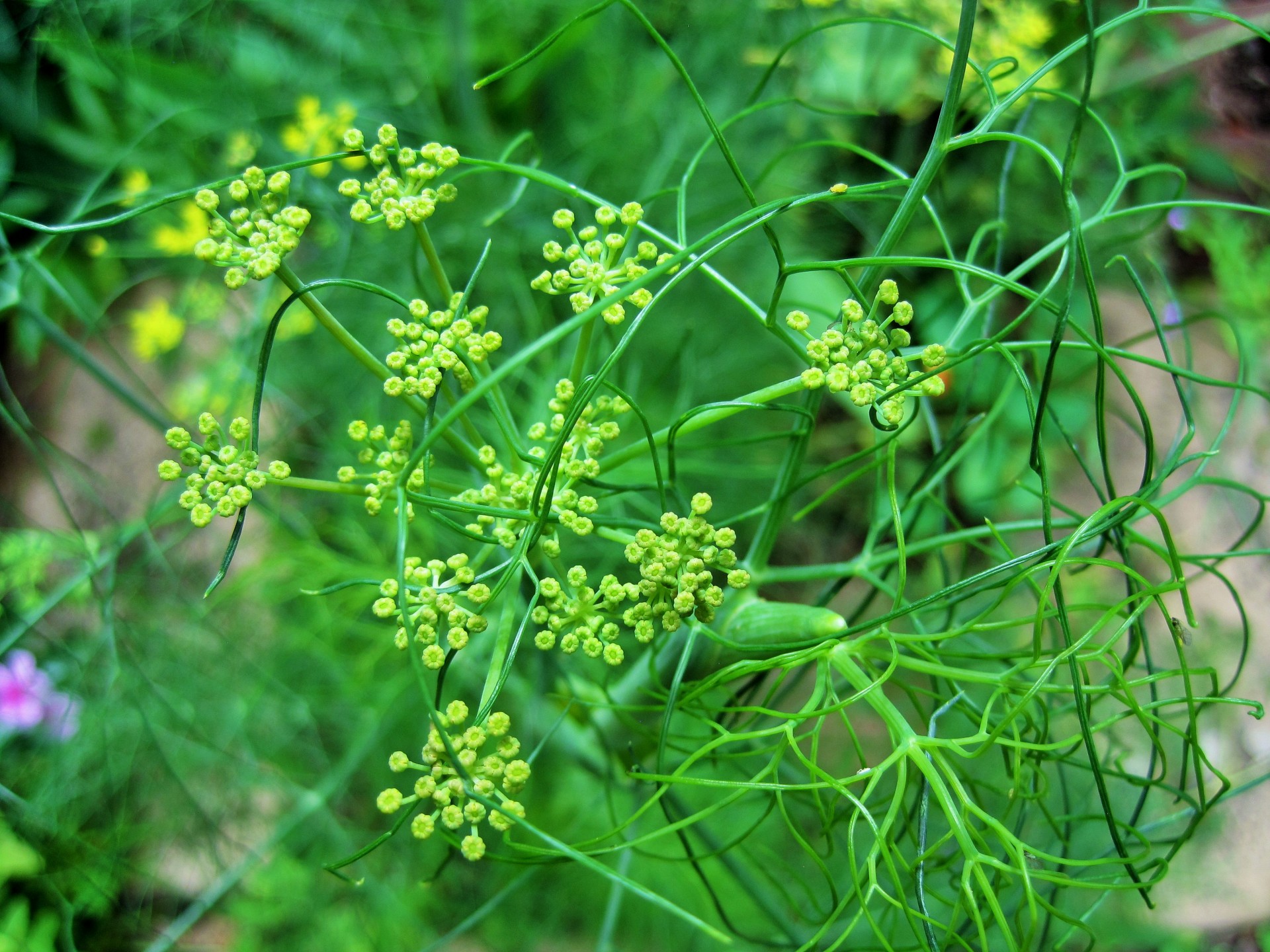
The fennel plant

7. Fennel

Why?

* helps with catarrh and lung congestion acting as an expectorant (use in a body oil)

* acts as an analgesic in coughs and colds (used in a body oil)

* digestive tonic to calm an upset stomach (diffuse in the sick room or in a body oil)


As you can see these oils can help you feel a bit better if you get sick in winter, or warm you up when your feet are freezing, or help clear the air of unwanted germs.

If you have a few people in your home, especially if you have kids, I recommend you diffuse oils in your home at night during winter not only to create a lovely scented atmosphere, but to lend a little bit of anti-bacterial magic to the mix. Of course when using essential oils they will not necessarily cure an infection or disease, but they can help you feel a little better and more comfortable too.

Remember to treat yourself first, then everyone will benefit.

Happy blending and remember to use your intention when you are creating your formulas. See my article about intention

copyright suzanne


10 Recipes with Frankincense Essential Oil- Boswellia carterii

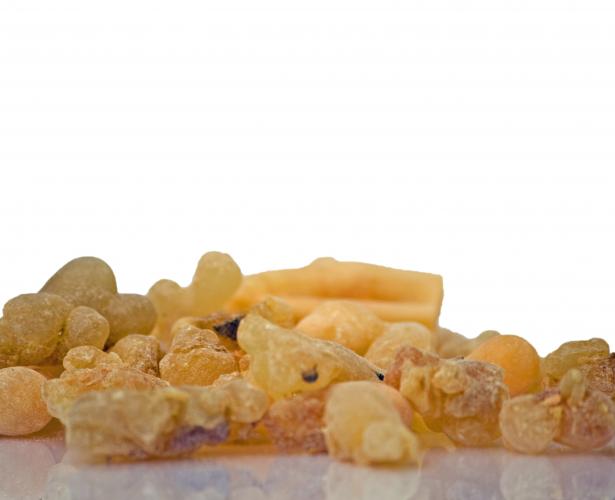
Frankincense resin in it's organic form is then distilled into an essential oil

Frankincense resin in its organic form is then distilled into an essential oil

Ah frankincense it’s a good oil! It’s an oil that helps you breathe deeply, relax and connect with your spirit. It’s an oil that can help skin looking and feeling younger. It’s an oil that’s been around for thousands of years. It’s an oil of truth.

Frankincense has a fine scent and I have written more about it previously with my article ‘Frankincense is the Scent of Truth’. It is from the family Burseraceae and the genus Boswellia.

Many years ago a friend of mine (he’s not around any longer, hi Peter!) was having a really bad asthma attack and was getting very anxious. He called me and I went to him immediately with a vapouriser and some Frankincense oil. I sat him down next to the stream of vapour and within 5 minutes he was better and after 20 minutes he could breathe normally. He also felt much more relaxed and I left the set up with him for a few weeks so he could access the treatment whenever he needed it.

Frankincense has many applications so let’s get into some recipes –

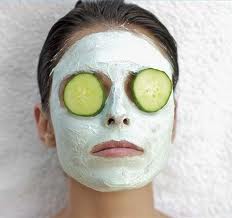
A clay face mask is the best and most natural clarifyng mask. pic vis chiclooking.com
A clay face mask is the best and most natural clarifying mask. pic via chiclooking.com

1. Face Mask

Usually add 1 or 2 drops of oil to some clay and add water, floral water or hydrosol. Keep the mask on for 5 minutes then rinse off with cool water. Mist with a hydrosol or floral water and moisturise.

I would use 2 drops of frankincense in pink clay to rejuvenate your skin, help tone oilier skin and to treat acne.

——————————————————————————————————————

Take a huge whiff to change your focus in seconds

Take a huge whiff to change your focus in seconds

2. Open The Bottle and Take a Huge Whiff

Do this with frankincense to help you relax and gather your energy. It will give you a chance to stop and catch you breath too.

——————————————————————————————————————


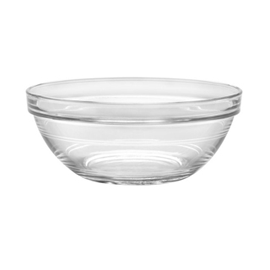
The classic Duralex glass dish is handy to make oil blends and quick perfumes in

The classic Duralex glass dish is handy to make oil blends and quick perfumes in

3. Pure Pulse Point Perfume

In a little dish mix these oils and anoint your pulse points or chakras – 3 drops of essential oils and dilute with a few drops of carrier oil – always patch test first!

“Peace and Quiet”

Frankincense   2 drops

Lavender          1 drop

——————————————————————————————————————

“I’m Ready for the Day”

Take a deep breath and go!

Frankincense   1 drop

Neroli 3%        3 drops * see my article for more info on 3% blends in jojoba

——————————————————————————————————————

“Sweet”

Life IS sweet –

Frankincense   2 drops

Peru balsam    1 drop

——————————————————————————————————————

“Now is the Best Time”

Do it now!

Frankincense      1 drop

Lemongrass       1 drop

Rose Geranium   1 drop

——————————————————————————————————————

Check this out - an oil burner made from a can - pic via www.instructables.com

Check this out – an oil burner made from a can – pic via http://www.instructables.com

4. Scent Your Space

In a traditional oil burner with a candle or a diffuser add 25 drops of oil

“Sunday Night Settle Down”

You’ve got school in the morning!

Frankincense    10 drops

Orange               9 drops

Marjoram            6 drops

—————————————————————————————————————–

“Fresh Vibe”

A great blend for when you’ve finished cleaning the house –

Frankincense       10 drops

Lime                      6 drops

Cedarwood Atlas   5 drops

May Chang            4 drops

——————————————————————————————————————

Rub oil into your body - it's good!

Rub oil into your body – it’s good!

Nourishing Body Oil Blend

For a coat of your body use 3 teaspoons of carrier oil in a little dish and, add 7 – 8 drops of essential oil. It’s always best to patch test first, before you apply all over.

***** Always put the drops of essential oil into the bottle or dish first, then add the carrier oil. It gives the scents time to create a synergistic fusion.

For a 50ml bottle of oil add 25 drops and see my articles “Ratios for Blending Essential Oils – A Reminder of the Basics” and “Aromatherapy – It’s Easy as 1 2 3”

“Renew”

A blend to feel hydrated with a new outlook –

Frankincense  3 drops

Palmarosa    3 drops

Lavender        2 drops

—————————————————————————————————————–

“It’s All About Me Tonight”

Shower off the day and oil yourself –

Frankincense    2 drops

Ylang Ylang      2 drops

Mandarin          3 drops

——————————————————————————————————————

Happy blending and remember to use your intention when you are creating your formulas.See my article about intention.

copyright suzanne