Lemon Essential Oil = Refresh and Reload

Lemon - gorgeous simplicity

Lemon – gorgeous simplicity

One of my first stories on this blog was about lemons –  The Loveliness of Lemons!.

Lemons truly are delightful and I categorize the essential oil from the rind as an oil of happiness. Sparkly, zingy, zesty, fresh, clarifying and clean, lemon essential oil is a must-have oil for the aromatherapy enthusiast.

I use lemon oil frequently when treating clients as I find it’s a great addition to a body blend for sore muscles. When I was studying, I remember my teacher telling me a therapist she knew used lemon juice with oil for sore muscles and had great results. Not sure if I could do that (you’d smell like a salad after the massage), but the essential oil is definitely the go.
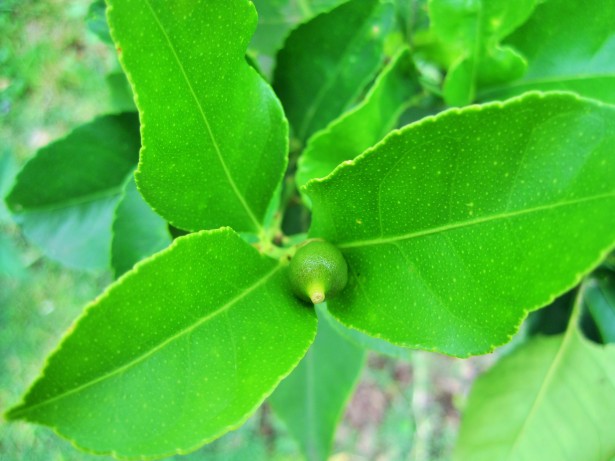
Aw -  a baby lemon!

Aw – a baby lemon!

From my earlier article:

Lemon essential oil is an uplifting oil with a sweet innocence about it, but don’t be fooled – it has a solid place in modern aromatherapy.

Some aromatherapists and scientific data claim lemon oil is good for:

  • stimulating the action of white blood cells
  • killing bacteria in the gut
  • soothing and lessening varicose veins
  • tonifying the circulatory system and aiding high blood pressure
  • helping the body shed excess fluids
  • decreasing cellulite
  • improving concentration
  • easing rheumatic pain & gout pain
  • stopping the flow of blood with cuts and abrasions

…… and the list continues.

Mum's lemon tree with the washing hanging on it

Mum’s lemon tree with the washing hanging on it

Lemon essential oil is inexpensive and accessible and has a scent that is also easy to inhale. Within the chemical constituents and energy of the drops of lemon oil, lay the coded information of lightness and happiness. I often say the words “refresh and reload” in my mind when I get the bottle of lemon oil out, and it does just that!

* Feeling tired and uninspired? Lemon oil.

* Need a new perspective on life? Lemon oil.

* Want some more joy? Lemon oil.

*Just like clicking on the “reload” icon in your web browser, lemon essential oil can give you a clean slate to start from.
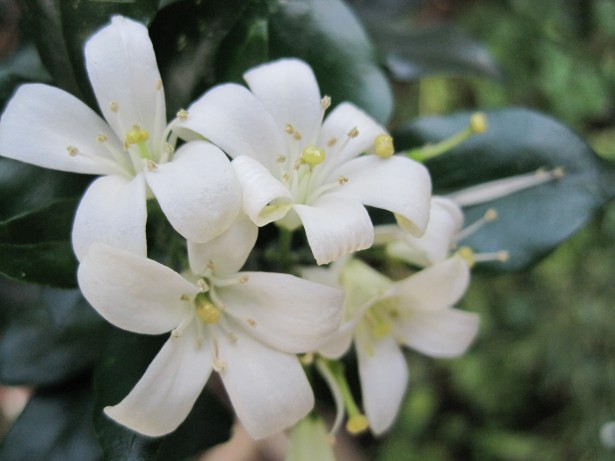
Lemon blossoms - I wonder why they aren't made into an essential oil like Neroli?

Lemon blossoms – I wonder why they aren’t made into an essential oil like Neroli?

* Add some drops of lemon oil to your water when cleaning surfaces in the house or completely brighten your home with lemon essential oil in the bucket of water for mopping the floors. When cooking with lemons I always keep the rind to rub over the kitchen benches at night to combat bacteria.

Lemons are a fruit of old and have origins in Asia – from Burma and India through to China.

They entered Europe near southern Italy no later than the 1st century AD, during the time of Ancient Rome. However, they were not widely cultivated. They were later introduced to Persia and then to Iraq and Egypt around 700 AD. The lemon was first recorded in literature in a 10th-century Arabic treatise on farming, and was also used as an ornamental plant in early Islamic gardens.[1][2] It was distributed widely throughout the Arab world and the Mediterranean region between 1000 and 1150. Wikipedia

So a big hooray for lemons, and lemon essential oil. They have survived for this long because they are wonderful! Stay tuned for my next article 10 Recipes with Lemon Essential Oil.


 

copyright suzanne


Rosemary Essential Oil – Get Fired Up!

Get fired up!

Get fired up!

Rosemary is a herb that is found all around the world in suburban gardens, dried in little bags and fresh at grocery stores. It’s a herb that has been used for medicine and in gastronomy for thousands of years and packs a powerful punch. Rosmarinus officianalis belongs to Lamiacae family (which has all the herbs in it) and the genus Rosmarinus.

I have written about this wonderful herb before when I attended a funeral and we were offered sprigs of rosemary to place on the coffin (Remember with Rosemary – Lest We Forget). Rosemary’s traditional use is that of remembering.

In Shakespeare’s Hamlet, Ophelia says, “There’s rosemary, that’s for remembrance.” (Hamlet, iv. 5.) Wikipedia

The fresh herb and of course the essential oil, is stimulating to the mind, and is warming and generally stimulating in its nature. It is high in 1-8 cineole (found in high amounts in Eucalyptus), and camphor and a-pinene (also found in many others oils including sage and thyme, citrus oils, eucalyptus and cedarwood).

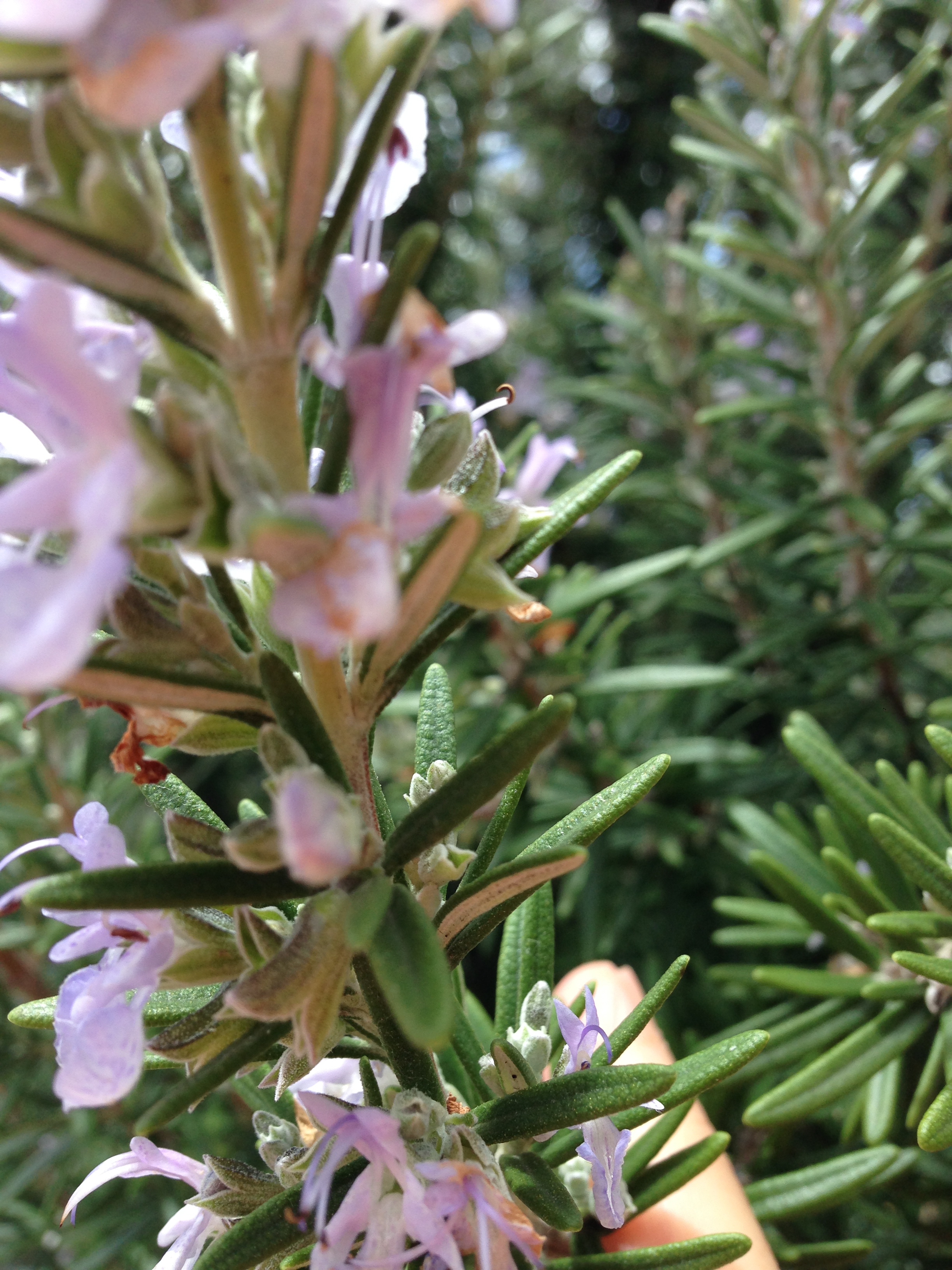
Flowering rosemary in my client's garden

Flowering rosemary in my client’s garden

Rosemary was found in the tombs of Egypt, used by the Greeks and Romans as medicine and revered as a sacred herb. More modern herbalists and physicians from the middle ages have used rosemary to treat any sickness of the head – and in this way we could see rosemary as a “cephalic oil” – the same as basil, which I have just written about. It has been used as a treatment for the liver, muscle aches and pains and for colds and sinus.

In aromatherapy today rosemary is used –

* for muscular aches and pains

* for stimulating memory – to be used in study and for the elderly

* for warming the body and increasing circulation to extremities

* as a digestive tonic

* as a tonic for the spleen meridian organs (liver, gall bladder, pancreas, spleen)

Rosemary botanical drawing - from Köhler's Medizinal Pflanzen

Rosemary botanical drawing – from Köhler’s Medizinal Pflanzen

As you can see the modern uses of rosemary are the same as the traditional uses of rosemary – stimulating and warming. It certainly is a strongly flavoured herb. Recently my friend, who has loads of rosemary bushes on his new property, stuck some in a bottle of gin and it didn’t take very long for the flavour to infuse.

I use rosemary frequently in my practice. Most clients have some type of muscle stiffness or soreness and rosemary is a real winner when it comes to relieving muscle tension. I’ll often use lavender, rosemary and marjoram together for a warming, pain relieving oil blend.

Rosemary oil is produced in a few countries around the world and this herb and oil has some very common chemotypes (again this is similar to basil and other herbs like marjoram too). Different chemotypes will have different scents and varying degrees of the common chemical constituents, depending on the soil, climate and other factors. Don’t get too confused, just dive in and use whatever rosemary oil you can find. It’s inexpensive and easily accessible!

Rosemary will stimulate your mindpic via goldenagersrock.com

Rosemary will stimulate your mind – pic via goldenagersrock.com


Embrace Basil Essential Oil and Free Your Mind

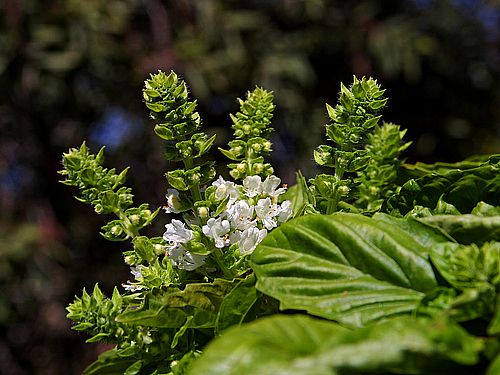
Flowering basil - beautiful!

Flowering basil – beautiful!

Basil, Ocimum basilicum, is part of the Lamiacae family and the genus Ocimum. This family of plants also holds many herbs including mint, rosemary, lavender, patchouli and many more. The most common basil essential oil is sometimes referred to as sweet basil as there are a couple of chemotypes that are used to make essential oils.

Sweet basil is a linalool type. Linalool is one of the main ingredients of lavender, so this basil with have a softer scent and be more soothing and calming.

I have a basil essential oil that is a chavicol chemotype (methyl chavicol), which is slightly spicier and more camphorous in scent. I would use this with a client in a treatment blend if I wanted a warmer more stimulating blend. I would use the linalool type for a more relaxing blend, and I tend to use the sweet basil more often.

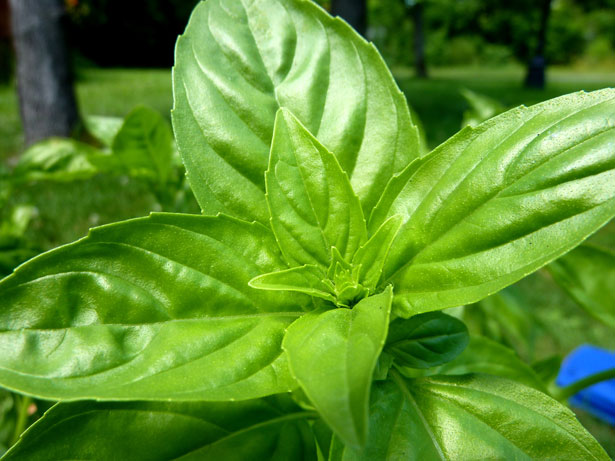
The stunning basil leaf makes a wonderful essential oil

The stunning basil leaf makes a wonderful essential oil

Basil takes its name from the latin ’Basileum’ meaning royal.  It is also considered a holy plant of India used in Ayurveda and dedicated to Vishnu and Krishna. This Indian basil is a different plant and is called tulsi, Ocimum tenuiflorumi. One of my suppliers now offers this as an organic essential oil but I haven’t smelt it yet so I’ll have to get back to you on that. There are some great tulsi teas on the market – they don’t taste like the sweet basil, just a soft lovely herb.

Sharp and spicy (yet sweet), basil helps clear the head and open the mind. It is referred to in aromatherapy as a “cepahilc” oil, which means pertaining to the head. It is a very powerful clearing oil, particularly effective when used in a vapouriser as an inhalation, or even when you are cooking! Making a fresh basil pesto is enough to make you feel refreshed and alive – especially when you use a mortar and pestle.

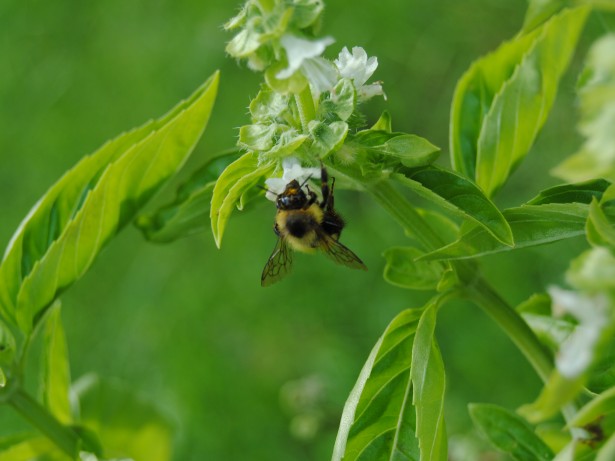
Basil is alluring - even to bees!

Basil is alluring – even to bees!

Basil essential oil is used for mental and physical fatigue and its anti-spasmodic properties make it ideal for treating menstrual problems and digestive disorders too.

* Sinus congestion, asthma and bronchitis are all soothed by basil.

* Fever can be treated effectively with basil.

* In the middle ages it was prescribed for melancholy and depression

So when you are feeling like you need some energy try basil oil for a quick pick-me-up. I’ll follow up with some recipes in the next article, but in the meantime buy a fresh bunch of basil instead of flowers and make sure you inhale the fragrance deeply. Get cooking with some basil and when you do, crush up a leaf in your fingers and allow the cooling fragrance to open your mind!

copyright suzanne


10 Recipes with Ylang Ylang Essential Oil – Cananga odorata

Gorgeous flower gorgeous scent. I don’t think I’ve met anyone who doesn’t like this oil and even though it’s a floral, men still love it because of it’s very deep basey scent. Of course I’m generalising but I want you to know that men can love floral oils and women can love herbs and woods, and vice versa. If you want to get your partner in the mood for some loving (whether male or female), then choose this amazing oil.

***********************************************************************************************

Buy my 100% natural and organic botanical perfumes, and paperback book here: suzannerbanks.com.au

Digital downloads of my book Revelation! Reveal your Destiny with Essentials Oils:

Barnes & Noble      Booktopia AU      Amazon UK

***********************************************************************************************

Wh!at a gorgeous flower


For more specifics on this beautiful plant and oil check out my previous article here. For now let’s get into it!

1. Pure Pulse Point Perfume

In a little dish mix these oils and anoint your pulse points or chakras – 3 drops of essential oils and dilute with a few drops of carrier oil – always patch test first!

“I Love Myself”

You better!

Ylang Ylang    2 drops

Bergamot      1 drop


“Tropical Breeze”

Feel summery and delicious even in winter –

Ylang Ylang    1 drop

Jasmine 3%    3 drops  * see my article for more info on 3% blends in jojoba


“Release Frustration”

Ylang Ylang     1 drop

Frankincense   2 drops


“Not a care in the World”

Ylang Ylang          1 drop

Petitgrain              1 drop

Cedarwood Atlas  1 drop


Artsisan diffuser


2. Scent Your Space

In a traditional oil burner with a candle or a diffuser add 25 drops of oil

“You WILL Be Mine”

Ylang Ylang     8 drops

Mandarin         8 drops

Black Pepper   6 drops

Juniper            4 drops


“My Corner of The World”

Enjoy your own space and your own company –

Ylang Ylang      8 drops

Lime                 8 drops

Lavender          6 drops

Clove               3 drops


“Sexy Love Bedroom Disco”

Ylang Ylang                  8 drops

Sandalwood Mysore    6 drops

Orange                       11 drops


Body oils make lovely legs


3. Nourishing Body Oil Blend

For a coat of your body use 3 teaspoons of carrier oil in a little dish and, add 7 – 8 drops of essential oil.

***** Always put the drops of essential oil into the bottle or dish first, then add the carrier oil. It gives the scents time to create a synergistic fusion.

For a 50ml bottle of oil add 25 drops and see my articles “Ratios for Blending Essential Oils – A Reminder of the Basics” and “Aromatherapy – It’s Easy as 1 2 3”


“Life is Beautiful”

Ylang Ylang                      3 drops

Marjoram                          3 drops

Roman Chamomile 3%    4 drops * see my article for more info on 3% blends in jojoba


“Nourish and Repair”

Skin can benefit from Ylang Ylang –

Ylang Ylang         2 drops

Lavender             2 drops

Patchouli             2 drops

Peru Balsam        1 drop


“You WILL Be Mine – The Musical”

Ylang Ylang                  3 drops

Cedarwood Virginiana  2 drops

Pink Grapefruit             3 drops


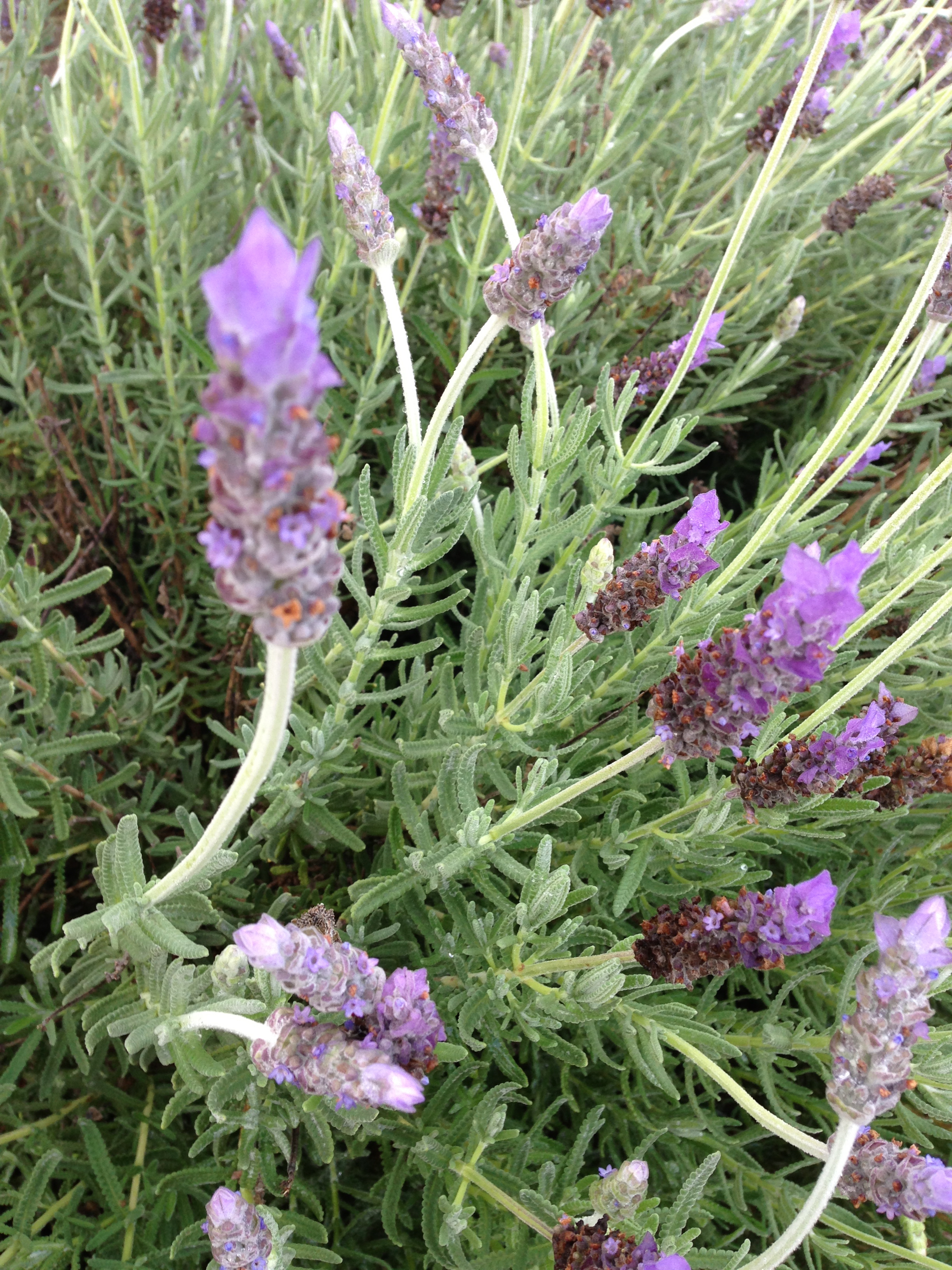
Lavandula stoechas, my own pic thanks yes it is wonderful

Happy blending and remember to use your intention when you are creating your formulas.See my article about intention.

copyright suzanne


Ylang Ylang Essential Oil – Yeah!

Cananga odorata- pic via www.rareflora.com

A mass of Cananga odorata flowers on a branch – pic via http://www.rareflora.com


Many essential oils share similar qualities and properties, although they are all unique in their characteristics. Scent is the main way we distinguish essential oils from one another, and we know how varied the beautiful fragrances are!

Ylang Ylang – Cananga odorata is a beautiful oil used extensively in perfumery AND aromatherapy and hails from a beautiful and unusual looking flower. I love using Ylang Ylang anytime. It works well with orange oil and is great to counteract frustration and even anger. Soothing and calming to the nerves, it also works as an aphrodisiac with its deep, base scent.

The plant is grown in tropical climates and Salvatore Battaglia claims this wonderful, spidery looking flower is strewn on the wedding bed of newly married couples in Indonesia. How divine!

Wh!at a gorgeous flower

What a gorgeous flower

Some of its chemical constituents are:

* linalool (an alcohol) – also found in lavender and basil and has a warming effect

* B-caryophyllene (a sesquiterpene)- also found in cloves and could be considered balancing

* Benzyl benzoate (an ester) – also found in jasmine and can be seen as calming

Each chemical constituent within an essential oil gels with all the others to produce a general effect on the body. However, not all oils with esters will necessarily be calming oils, and this can be said for most active ingredients.

YinYang

YinYang


Energetically it is said by some to be a “yang” (masculine) oil, and has an absolutely stunning oil with a heady, sweet aroma. It seems to have many feminine uses but I also know many men who adore this oil.

In Aromatherapy today Ylang ylang is used :

* for calming nerves

* as an aphrodisiac

* for stimulating cell growth in scar tissue and for general skin care and hair care

* for treatment with people who have high blood pressure

* for symptoms of menopause and PMS

Unlike other oils, when essential oil of ylang ylang is produced it creates a few different levels of oil. When you buy from a wholesaler they will indicate what level you are buying but when you buy from a retailer you may not get this information.

“Extra” – the first part of the distillation which is the most finely scented of the oils. I always use this

1st Grade – the next best bit

2nd Grade – the next best bit

3rd Grade – the level of oil with the lesser quality of all.

My wholesaler also offers “Complete Ylang Ylang” which is a combination of Extra, !st and 2nd grades so could be seen as a more rounded oil. I still use Extra all the time.

No other oil (as far as I know) has such a distinctive production and collection process, and this is where I think some multilevel marketing essential oil companies get their marketing ideas from – claiming they have the highest therapeutic grade oils in the world. There is no doubt some grades of essential oils are better than others, and one of my suppliers has created their own list of grades  – Certified Organic – Conventional – down through a couple of levels to Commercial (which would be used for body products and some food flavourings). It’s all very interesting but have no doubt that raw ingredients, especially the oils of flowers (jasmine and rose) and sandalwood are becoming very expensive.

Heavily laden Ylang ylang tree with flowers - pic via blog.proxisante.com

Heavily laden Ylang ylang tree with flowers – pic via blog.proxisante.com


Stay tuned for my next article with recipes with this stunning oil!

copyright suzanne


10 Recipes with Lemongrass Essential Oil- Cymbopogon citratus

Delicious lemongrass

Delicious lemongrass

Lemongrass belongs to the Poaceae family (the grasses), and its genus is Cymbopogon. Other plants you may know in this family are palmarosa, citronella and vetiver (same family different Genus).

Commercially lemongrass essential oil comes from Cymbopogon citratus and Cymbopogon flexuosis, some of my suppliers have both, and some only have one.

“East Indian lemon grass (Cymbopogon flexuosus), also called Cochin grass or Malabar grass (Malayalam: (inchippullu), is native to Cambodia, Vietnam, India, Sri Lanka, Burma, and Thailand, while West Indian lemon grass (Cymbopogon citratus) is native to maritime Southeast Asia.” Wikipedia

Recently I have seen more C. flexuosis on offer and I wouldn’t really be able to tell the difference unless I had both bottles to sniff at the same time. There are variations in chemical constituents however if you bought either you would be fine to use them in the recipes below.

An essential oil steam in the shower will do wonders for your mind and energy levels - pic via completehealthcircle.com

An essential oil steam in the shower will do wonders for your mind and energy levels – pic via completehealthcircle.com

1. Put A few Drops Of Oil into the bottom of the Shower

This works in a similar way to just taking a whiff straight from the bottle, but if you’ve got an extra minute, it will give you a completely different experience. Your whole body will be immersed in an essential oil steam.

With a lemongrass steam in the shower expect to feel uplifted, awakened, refreshed and ready to go. Some extra happiness may also randomly occur.

Nourish your body with a beautiful oil blend - pic via redbookmag.com

Nourish your body with a beautiful oil blend – pic via redbookmag.com

2. Nourishing Body Oil Blend

For a coat of your body use 3 teaspoons of carrier oil in a little dish and, add 7 – 8 drops of essential oil.

***** Always put the drops of essential oil into the bottle or dish first, then add the carrier oil. It gives the scents time to create a synergistic fusion.

For a 50ml bottle of oil add 25 drops and see my articles “Ratios for Blending Essential Oils – A Reminder of the Basics” and “Aromatherapy – It’s Easy as 1 2 3”

“Pre Exercise Zinger”

When you need a bit of encouragement to get you going –

Lemongrass     2 drops

Rosemary         2 drops

Orange             4 drops

——————————————————————————————————————

“After Exercise Soother”

Lemongrass       3 drops

Marjoram           2 drops

Lavender           2 drops

——————————————————————————————————————

“Eye of the Tiger”

To give yourself some positive vibes for the day ahead –

Lemongrass                   3 drops

Cedarwood Virginiana    2 drops

Rosewood                     3 drops

—————————————————————————————————————–

Anoint yourself with pure essential oil blends

Anoint yourself with pure essential oil blends

3. Pure Pulse Point Perfume

In a little dish mix these oils and anoint your pulse points or chakras – 3 drops of essential oils and dilute with a few drops of carrier oil – always patch test first!

“Energy NOW!”

Lemongrass    1 drop

Basil                1 drop

Geranium         1 drop

——————————————————————————————————————

“After Work Before a Dinner Date”

Refresh and revitalize –

Lemongrass        1 drop

Petitgrain             1 drop

Nutmeg               1 drop

——————————————————————————————————————

“It’s Gonna Be a Bumpy Ride”

To help with travel sickness –

Lemongrass        1 drop

Ginger                 1 drop

Peppermint          1 drop

——————————————————————————————————————

oil burner

A classic oil burner with a candle helps to remove and transmute unwanted energy

4. Scent Your Space

In a traditional oil burner with a candle or a diffuser add 25 drops of oil

“Freedom”

Lemongrass     8 drops

Peru Balsam     9 drops

Cinnamon         8 drops

—————————————————————————————————————–

“A Night of Intrigue and Love”

Lemongrass        6 drops

Ylang Ylang         6 drops

Mandarin             6 drops

Sandalwood        6 drops

——————————————————————————————————————

“Sunny Sunday”

The perfect scent for a Sunday afternoon –

Lemongrass          8 drops

Bergamot            10 drops

Cedarwood Atlas   7 drops

—————————————————————————————————————–

Happy blending and remember to use your intention when you are creating your formulas. See my article about intention.

copyright suzannerbanks 2013


Lemongrass – A Universal Scent and “All Seasons” Essential Oil

Delicious lemongrass

Delicious lemongrass

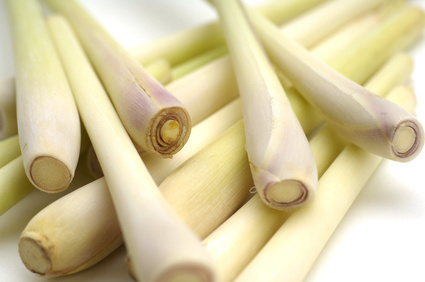
Just look at the pic above. Lemongrass appears to be a substantial, almost “meaty” root. The essential oil of lemongrass definitely has a substantial scent, and I would dare say is one of the more popular oils. In general, men like the deep gutsy scent, women adore the verve and vitality and kids and pets resonate with it’s fresh yet syrupy energy. It is a universally appealing oil and is accessible and inexpensive.

Lemongrass is a great oil for energising and creating energy where there is lack. In cooking lemongrass gives a zingy, lemony bite to a dish. I often use the oil with clients when they are lacklustre. It’s like the giddy-up oil. The get-going oil.

So fresh and green!

So fresh and green!

Lemongrass is great for summer to ward off insects – just put some drops straight onto your skin to keep away the mosquitoes.

Lemongrass is great for winter as it helps to start you up on a cold morning.

Lemongrass is fantastic for spring to clear away the cobwebs of winter.

Lemongrass is wonderful for autumn as a mood enhancer when you realise summer is coming to an end.

Goodbye summer ...

Goodbye summer …

The main active ingredient in lemongrass is citral. Then there’s lots of other little helpers including geraniol, limonene and nerol. Can you guess what other oils these belong too? If you said geranium, lemon and neroli you are right. These molecular structures are found in other oils too. Each essential oil has its own character that is created by different chemical consituents but it’s hard to pinpoint the magic. It’s all about the old adage “the whole is greater than the sum of its parts”. This refers to the energetic presence an entity has. You can break down a plant into scientific measurements, but its the synergistic combination of all the little molecules that makes it unique. With essential oils, their uniqueness is their scent.

The scent of lemongrass can been described as lemony, herbaceous & strong. A little goes a long way. It’s a very tropical scent and is grown in hot areas in Asia and Africa. Perfect for bringing the warmth of the tropics into your life.

In Aromatherapy today lemongrass is used –

* for clearing the mind

* as a tonic for exhasution

* in a treatment when someone is recovering from sickness or is post viral

* to aid digestion

* for aching muscles and an aching body

Try a few drops in the shower for an awakening steam treatment or making an energising essential oil body blend. Stay tuned for more recipes!

Remember to treat yourself first, then everyone will benefit.

copyright suzanne

10 Recipes with Roman Chamomile Essential Oil – Anthemis nobilis

Chamomile - sweet flower, sweet scent

Chamomile – sweet flower, sweet scent

My last post went into a bit more detail about the beautiful essential oil of Roman Chamomile, so for a bit of background click here to check it out. Then lets get into some recipes!

An important note here is about how you are likely to buy this oil. As it tends to be one of the more expensive essential oils, you may find it in a 3% jojoba blend. For more info on this kind of essential oil see my article  3% blends in jojoba.

I’ll do a few recipes with 100% essential oil and a few with 3% in jojoba.

Recipes using Roman chamomile 3% in Jojoba

1. Pure Pulse Point Perfume

In a little dish mix these oils and anoint your pulse points or chakras always patch test first!

“Divine”

Use straight from the bottle as a pure perfume and I promise you will not be disappointed by the scent

—————————————————————————————————————–

“Serene”

Anoint yourself before meditation –

Roman chamomile 3%      4 drops

Frankincense                     1 drop

——————————————————————————————————————

“Angels Please Surround Me”

Roman chamomile 3%      3 drops

Rose Geranium                 1 drop

Bergamot                          1 drop

——————————————————————————————————————

“Soothe and Comfort”

For you or someone who needs it –

Roman chamomile 3%       4 drops

Rose 3%                            2 drops

—————————————————————————————————————–

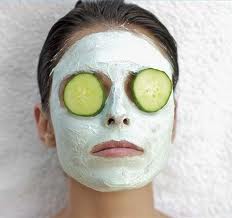
A clay face mask is the best and most natural clarifyng mask. pic vis chiclooking.com

A clay face mask is the best and most natural clarifyng mask. pic vis chiclooking.com

2. Face Mask

Usually add 1 or 2 drops of oil to some clay and add water, floral water or hydrosol

Roman chamomile 3%   3 drops

——————————————————————————————————————

Recipes using Roman chamomile essential oil 100% pure

Nourish your body with a beautiful oil blend - pic via redbookmag.com

Nourish your body with a beautiful oil blend – pic via redbookmag.com

1. Nourishing Body Oil Blend

For a coat of your body use 3 teaspoons of carrier oil in a little dish and, add 7 – 8 drops of essential oil.

***** Always put the drops of essential oil into the bottle or dish first, then add the carrier oil. It gives the scents time to create a synergistic fusion.

For a 50ml bottle of oil add 25 drops and see my articles “Ratios for Blending Essential Oils – A Reminder of the Basics” and “Aromatherapy – It’s Easy as 1 2 3”

“From Hot to Cool”

To soothe tired skin and muscles –

Roman chamomile   2 drops

Marjoram                 3 drops

Lavender                 3 drops

——————————————————————————————————————

“Marshmallows”

For soft, lovely skin –

Roman chamomile    3 drops

Pink grapefruit           2 drops

Palmarosa                 1 drop

Patchouli                   1 drop

—————————————————————————————————————–

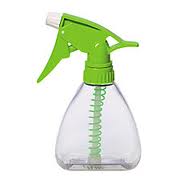
Just use any mist bottle you can find

Just use any mist bottle you can find

2. Personal Aura Cleansing Mist & Room Mist

In a 50ml mist bottle filled with water add 25 drops of oil

(depending on the packaging you have, you may need to use a little alcohol -like vodka- at the bottom of your bottle first, so the oils disperse into smaller drops to prevent clogging the atomiser top. I’ve found sometimes it works just with water, and sometimes it doesn’t – very annoying!)

“De-Stress”

Roman chamomile         8 drops

Cedarwood Virginiana    6 drops

Orange                          8 drops

Nutmeg                         3 drops

——————————————————————————————————————

“Pink Bubbles”

Surround and protect yourself with Shakti Gawain’s pink bubble of love –

Roman chamomile       7 drops

Mandarin                      8 drops

Cinnamon                     6 drops

Vanilla CO2                  4 drops * see my article for more info on CO2 extracts What are CO2 Extracts in the World of Aromatherapy?

——————————————————————————————————————

“Petit”

Let big problems become small problems –

Roman chamomile       8 drops

Juniper                         8 drops

Lime                             8 drops

Vetiver                          1 drop

——————————————————————————————————————

Happy blending and remember to use your intention when you are creating your formulas.See my article about intention.

copyright suzanne


The Divine Scent of Roman Chamomile Essential Oil

Anthemis nobilis - a classic illustation from Kohler's Medicial Pflanzen

Anthemis nobilis – a classic illustration from Kohler’s Medicinal Pflanzen

I have brushed over the chamomiles previously but would love to go into more detail about Roman chamomile. You can check out my previous blog Softly and Gently with the Chamomiles, but lets go into the world of this special, petit fluer in this article.

As with many plants this chamomile has a couple of botanical names – Anthemis nobilis or Chamaemelum nobile. Either way you can pick up that it is considered a nobile plant – distinguished by rank and manner. It is part of the Asteracae family (daisies) and the genus Chamaemelum. I’ve always loved daisies because they are so sweet, simple and pretty. This chamomile also has a very pretty scent and the essential oil is magnificent! For a small flower the scent is BIG!

This scent greatly differs from the other chamomile used in Aromatherapy – German chamomile – which is much darker in colour, darker and heavier in scent too. Our beautiful little “Roman” daisy will appeal to everyone from kids to the elderly, and even our pets.

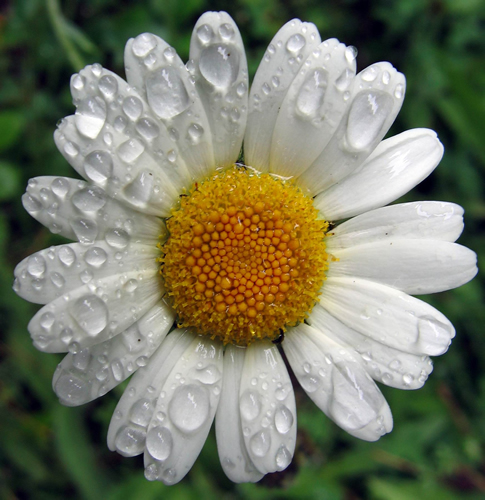
Chamomile - sweet flower, sweet scent

Chamomile – sweet flower, sweet scent

It’s hard to tell the chamomiles apart as a flower but the German chamomile tends to have a more prominent pointed centre with leaves pointing downward, whereas the Roman chamomile flower is generally more balanced and larger, with a flat centre and daisy-like leaves. This is a generalisation and I’m sure the gardeners out there will have something to say about that!

In Aromatherapy today Roman chamomile is used;

* for stomach cramps as it is a great anti-spasmodic

* as a stomach calming oil in general

* as a calming oil in all respects – both physically and mentally

* as a soothing tonic to overwrought emotions

* as a calming oil for children

* for headaches

* for period pain

* for any kind of cramping whether it be in the body, the emotions, the mind or the energetic body

* in body oil blends and treatments for red, inflamed skin

Roman chamomile - pic via 3morganic.com

Roman chamomile – pic via 3morganic.com

I find it difficult to describe scent but I would say that this oil is sweet and intoxicating, with honey-like tones. This is a description from Wikipedia –

“The word chamomile, and the genus name Chamaemelum come from the Greek χαμαίμηλον (chamaimēlon), “earth-apple”, from χαμαί (chamai), “on the ground” + μήλον (mēlon), “apple”, so-called because of the apple-like scent of the plant. “

I suppose it has an apple-like scent but at least this gives you an idea and also indicates how long this plant has been around.

According to chamomile.co.uk/history.htm

“Chamomile was known to the Romans and used for incense and in beverages. Ironically, the name ‘Roman Chamomile’ by which it is sometimes known, does not stem from this time, but from a rather arbitary naming of the herb in the 19th century by a plant collector who happened to find some growing in the Colleseum in Rome!”


This site also refers to the use of chamomile in Egypt for treatment of fever but as we know it was various monasteries throughout Europe who consolidated the use of many herbs in the Middle Ages and who’s recipes still exist today in alcoholic beverages and perfumes.

Old medicine = good medicine!

Stay tuned for some recipes with this stunning essential oil which is more commonly retailed in a 3% blend in jojoba. This way we can use it straight from the bottle and it makes a wonderful perfume on it’s own. Fore more info on 3% blends check out my story here.

copyright suzanne


10 Recipes with Lavender Essential Oil – Lavandula angustifolia

Lavender - you can find it in many gardens around the world

Lavender – you can find it in many gardens around the world

Continuing on the lavender theme over the past couple of weeks I thought we may as well have a look at some recipes too. Sometimes people often underestimate the versatility of this magnificent oil, along with the common understanding that lavender is an old ladies’ oil!  Let’s debunk that by checking out some recipes.

Before we go ahead please have a look at these articles on lavender if you’d like some more info on this wonderful oil –

Lavender – Simple and Complicated All at the Same Time

Lavender is the “Little Black Dress” of the Oil Wardrobe  (more recipes here)

In Case of Indecision – Use Lavender  

I really do feel we could lavender oil for most cases. In Aromatherapy we learn that lavender would not be good for people with low blood pressure, so if that’s you, just don’t over use the oil by making body oils for yourself everyday.  Lavender is a relaxing oil, but remember too much of  good thing is exactly that – too much of a good thing!

For example when adding a drop of lavender to your pillow to go to sleep, don’t add 20 drops to help you get to sleep 20 times faster because it will probably work in the opposite way.

Ah lovely lavender

Ah lovely lavender

Use essential oils sparingly as you learn and then you will instinctively know how much, when and with what to mix them with.

Lavender is a herb of old being coined by the Romans using the latin word “lavare” meaning to wash. This makes perfect sense to me – wash away bacteria from cuts and wounds with lavander oil; wash lavender with clothes for a beautiful scent; wash away stress and tension, wash away pain.

My recipes will start with the best of all body moisturisers – the body oil!

1. Nourishing Body Oil Blend

For a coat of your body use 3 teaspoons of carrier oil in a little dish and, add 7 – 8 drops of essential oil.

***** Always put the drops of essential oil into the bottle or dish first, then add the carrier oil. It gives the scents time to create a synergistic fusion.

For a 50ml bottle of oil add 25 drops and see my articles “Ratios for Blending Essential Oils – A Reminder of the Basics” and “Aromatherapy – It’s Easy as 1 2 3”

“Daily Do-Good”

A basic recipe for any day –

Lavender    3 drops

Geranium    2 drops

Orange       4 drops

—————————————————————————————————————–

“Oh My Aching Legs”

After a long day rub this oil on your legs and elevate, and rest –

Lavender        3 drops

Marjoram        3 drops

Peppermint     2 drops

—————————————————————————————————————–

“I’m Nervous About Today”

Calm your nerves with lavender –

Lavender       3 drops

Neroli 3%     10 drops  * see my article for more info on 3% blends in jojoba

—————————————————————————————————————–

A clay face mask is the best and most natural clarifyng mask. pic vis chiclooking.com

A clay face mask is the best and most natural clarifyng mask. pic via chiclooking.com

2. Face Mask

Usually add 1 or 2 drops of oil to some clay and add water, floral water or hydrosol

Lavender  2 drops

Take the time to relax for 10 minutes then rinse off with warm or cool water and moisturise

——————————————————————————————————————

oil burner

oil burner

3. Scent Your Space

In a traditional oil burner with a candle or a diffuser add 25 drops of oil

“Thank Goodness That Day is O-Vah!”

Lavender              9 drops

Rose Geranium    5 drops

Mandarin              6 drops

Lime                     5 drops

—————————————————————————————————————–

“Just Chillin”

When you have nothing much to do except potter around the house and maybe do a few little chores –

Lavender                      5 drops

Bergamot                   10 drops

Cedarwood Virginiana   5 drops

Petitgrain                      5 drops

—————————————————————————————————————–

A personal mist is easy to make! pic via ebay.com.au

A personal mist is easy to make! pic via ebay.com.au

4. Personal Aura Cleansing Mist & Room Mist

In a 50ml mist bottle filled with water add 25 drops of oil

(depending on the packaging you have, you may need to use a little alcohol -like vodka- at the bottom of your bottle first, so the oils disperse into smaller drops to prevent clogging the atomiser top. I’ve found sometimes it works just with water, and sometimes it doesn’t – very annoying!)

“Bottle o’ Courage”

Lavender        8 drops

Juniper           6 drops

Peru Balsam   8 drops

Cinnamon      3 drops

——————————————————————————————————————

“Afternoon Energetic Refresh”

A spritz in the afternoon can do wonders for your fatigue –

Lavender            6 drops

Lemongrass     10 drops

Pink grapefruit    9 drops

——————————————————————————————————————

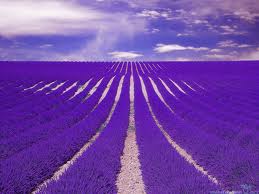
Fields of lavender never cease to amaze me!

Fields of lavender never cease to amaze me!

5. Pure Pulse Point Perfume

In a little dish mix these oils and anoint your pulse points or chakras – 3 drops of essential oils and dilute with a few drops of carrier oil – always patch test first!

“Next Thing”

When you’ve got lots to do –

Lavender                       1 drop

Sandalwood Australian  1 drop

Lemon                           1 drop

—————————————————————————————————————–

“Fortify”

Reveal your inner strength –

Lavender       1 drop

Cardamom    1 drop

Orange          1 drop

—————————————————————————————————————–

Happy blending and remember to use your intention when you are creating your formulas.See my article about intention.

copyright suzanne