Peppermint Oil! An Oldie but a Goodie!

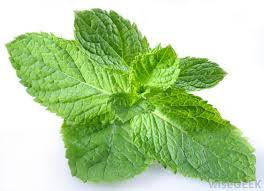
Ah lovely peppermint - pic via thebodyhut.com.au

Ah lovely peppermint – pic via thebodyhut.com.au

Peppermint essential oil is usually Mentha piperita and comes from the family Lamiacae, and the genus Mentha. A supplier of mine also offers Mentha arvensis, but really when it comes down to it the variations won’t make a huge difference to the therapeutic value for most users of oils.This family also holds many herbs like lavender, sage, marjoram, patchouli, oregano, thyme and many others. It seems as though this family of plants has been around for thousands of years going back to, at least, the Romans, the Greeks, and it is even recorded in Egyptian records. These are hardy herbs and have wonderful medicinal properties.

Please see my article Essential Oils from Herbs are Spectacular for a more comprehensive list of healing herbs. I’ll be concentrating on these herbs over the next few weeks so stay tuned.

Peppermint lollies - pic via health.com

Peppermint lollies – pic via health.com

Peppermint essential oil is one of the most used oils in the world and this is because it’s use in food flavourings. Peppermint lollies are sweet, cute and fun and for all these reasons I also see peppermint essential oil as an oil of happiness. It appeals to many people, both young and old and is an easily accessible and inexpensive oil.

A typical analysis of peppermint oil shows it is high in menthol and menthane, and these constituents are the ones that give peppermint its heat. Funnily enough this warmth or heat actually translates to a cool feeling, and peppermint could be considered and anti-inflammatory oil.

Peppermint oil is used in aromatherapy today –

* as an antidote for nausea and travel sickness

* to help calm symptoms of irritable bowel (via products that contain peppermint oil)

* as a pain relief for muscles and nerve pains

* as a decongestant for the sinuses


Most people love peppermint - pic via www.milkandhoneyherbs.com

Most people love peppermint – pic via http://www.milkandhoneyherbs.com

I use peppermint oil –

* in a steam inhalation to relieve a headache (it really works well) and sinus headaches and pain

* and in any blend of oils to relieve pain – menstrual pain, muscle pain, aching limbs, arthritis pain

I would not use peppermint oil in many body oils, but I have added it to a blend for a client with psoriasis and eczema and it seems to cool her itchy skin.

Peppermint is good for pain!

It’s also great to clear your mind, wake you up and to make you feel refreshed. It will even do that when you have a good quality mint in your mouth.

Try these recipes –

Take a huge whiff to change your focus in seconds

Take a huge whiff to change your focus in seconds

1. Open The Bottle and Take a Huge Whiff

Peppermint will help with a headache, sinus congestion and a tired mind.

2. Nourishing Body Oil Blend

For a coat of your body use 3 teaspoons of carrier oil in a little dish and, add 7 – 8 drops of essential oil.

***** Always put the drops of essential oil into the bottle or dish first, then add the carrier oil. It gives the scents time to create a synergistic fusion.

For a 50ml bottle of oil add 25 drops and see my articles “Ratios for Blending Essential Oils – A Reminder of the Basics” and  “Aromatherapy – It’s Easy as 1 2 3”

“Calm Down”

For itchy skin or even an irritable feeling –

Peppermint   1 drop

Lavender       4 drops

Patchouli       2 drops

—————————————————————————————————————–

5. Scent Your Space

In a traditional oil burner with a candle or a diffuser add 25 drops of oil

“Happy la la”

Clear the air and make room for some happy vibes –

Peppermint        8 drops

Orange             17 drops

——————————————————————————————————————

Happy blending and remember to use your intention when you are creating your formulas. See my article about intention.

copyright suzannerbanks 2013


10 Recipes with Peru Balsam Essential Oil- Myroxylon balsamum

10!

10!

It’s 10 recipes time! Today we will feature the absolutely beautiful oil called Peru Balsam or Tolu Balsam.

This beautiful oil, is like a combination of benzoin and vanilla.

Peru Balsam is sweet and soft and has warming stimulating properties reportedly to be a great treatment for skin conditions. I suppose over-use of the oil can lead to the opposite effect – skin irritations.  I have never seen any negative results from using this oil and actually love to use it as a perfume. It’s fantastic for vapourising to act as a soothing agent to stress, and add some sweetness and healing energy into the room. It is like a balm for the soul and when you take a deep whiff, it’s almost like you can smell a protective honeycomb, multi-dimensional energy field.

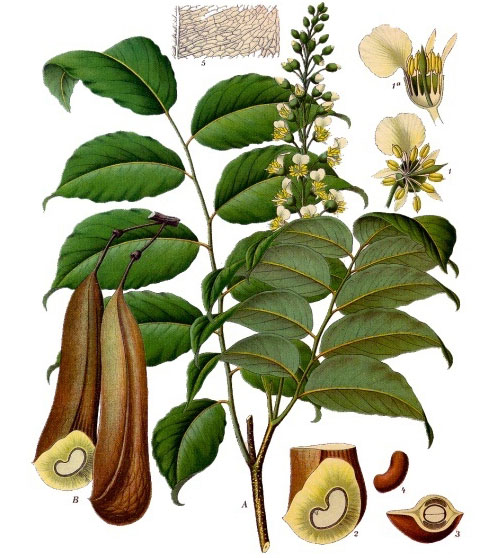
Peru balsam - pic via www.fragrantica.com

Peru balsam – pic via http://www.fragrantica.com

1.Nourishing Body Oil Blend

For a coat of your body use 3 teaspoons of carrier oil in a little dish and, add 7 – 8 drops of essential oil.

***** Always put the drops of essential oil into the bottle or dish first, then add the carrier oil. It gives the scents time to create a synergistic fusion.

For a 50ml bottle of oil add 25 drops and see my articles “Ratios for Blending Essential Oils – A Reminder of the Basics” and  “Aromatherapy – It’s Easy as 1 2 3”

“Sweet, Soft Skin”

A beautiful oil to nourish your skin –

Peru balsam       2 drops

Lavender            3 drops

Geranium           2 drops

——————————————————————————————————————

“I Feel So Lovely”

Simply love your skin –

Peru Balsam   3 drops

Myrrh              1 drop

Rose 3%        9 drops   * see my article for more info on 3% blends in jojoba

——————————————————————————————————————

Classic oil burner with a twist pic via top3.com.au

Classic oil burner with a twist pic via top3.com.au

3. Scent Your Space

In a traditional oil burner with a candle or a diffuser add 25 drops of oil

“Loving Myself Especially Well Today”

Be kind to yourself –

Peru Balsam         12 drops

Lemon Myrtle          5 drops

Bergamot               8 drops

——————————————————————————————————————

“Calm Down Kids!”

Explains itself really –

Peru Balsam      13 drops

Orange              10 drops

Vetiver                 2 drops

—————————————————————————————————————–

Anoint your third eye and breathe! pic via buelahman.wordpress.com

Anoint your third eye and breathe! pic via buelahman.wordpress.com

4. Pure Pulse Point Perfume

In a little dish mix these oils and anoint your pulse points or chakras – 3 drops of essential oils and dilute with a few drops of carrier oil – always patch test first!

“Angels Protect Me”

Know that you ARE protected –

Peru Balsam    2 drops

Clove               1 drop

——————————————————————————————————————

“Get Me to The Church on Time”

A calming blend on a nervous kind of day –

Peru balsam  1 drop

Bergamot      2 drops

——————————————————————————————————————

“Soothing Balm for the Soul”

Relax –

Peru Balsam   1 drop

Frankincense  2 drops

——————————————————————————————————————-

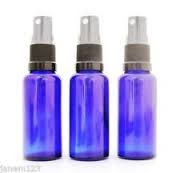
a simple hairdressing mist bottle will do the trick for your amazing essential oil mist

a simple hairdressing mist bottle will do the trick for your amazing essential oil mist

4. Personal Aura Cleansing Mist & Room Mist

In a 50ml mist bottle filled with water add 25 drops of oil

(depending on the packaging you have, you may need to use a little alcohol -like vodka- at the bottom of your bottle first, so the oils disperse into smaller drops to prevent clogging the atomiser top. I’ve found sometimes it works just with water, and sometimes it doesn’t – very annoying!)

“Spritz Away the Stress”

A quick mist can make all the difference

Peru Balsam  8 drops

Petitgrain       8 drops

Patchouli       4 drops

Lavender       5 drops

——————————————————————————————————————

“Amethyst”

When you feel you need a layer of protection –

Peru Balsam            10 drops

Nutmeg                     3 drops

Orange                     10 drops

Sandalwood (Indian)   2 drops

——————————————————————————————————————

“Yes I’m SIngle”

Be vulnerable yet powerful –

Peru Balsam      8 drops

Cinnamon          6 drops

Lemon             11 drops

Happy blending and remember to use your intention when you are creating your formulas.See my article about intention.

copyright suzannerbanks 2013

Lemon Myrtle Essential Oil – Lemony Goodness from Australia

Lovely lemon myrtle an Australian native - pic via essentiallyaustralia.com.au

Lovely lemon myrtle an Australian native – pic via essentiallyaustralia.com.au

The lovely lemon myrtle tree (Backhousia citriodora) is a native to Australia and the leaves are used for food flavourings, as a tea, and are processed as an essential oil for our pleasure. If you’ve never smelt this powerful oil just imagine a crisp lemon scent with a deep twist of the Australian bush –  a magical blend of lemon and other Aussie leaves like eucalyptus and tea tree. It belongs to the Myrtaceae family, and the genus Backhousia. This is not to be confused with Myrtle which is also a part of the Myrtaceae family but has the genus Myrtus which is native to Europe. If you read about myrtle, it is likely to refer to this Myrtus communis.

This essential oil has a high citral content. Citral is the active ingredient which gives this and other oils their lemon scent, and it’s very interesting to note the amount of citral in a few essential oils:

Citral is present in the oils of several plants, including lemon myrtle (90-98%),

Litsea citrata (90%),

Litsea cubeba (70-85%),

lemongrass (65-85%),

lemon tea-tree (70-80%),

Ocimum gratissimum (66.5%),

Lindera citriodora (about 65%),

Calypranthes parriculata (about 62%),

petitgrain (36%),

lemon verbena (30-35%),

lemon ironbark (26%),

lemon balm (11%),

lime (6-9%),

lemon (2-5%), and orange.

Wikipedia

So isn’t it interesting that lemon only contains about 5% and this amazing lemon myrtle contains almost 100% citral! Wowsa!

So what does that mean?

In addition to the lemon scent, citral has been reported to have extremely high anti-microbial qualities and compared to tea tree seems to be much higher. The oil today is used just for this purpose and is particularly noted for it’s tested use on MCV which is a skin virus. Lemon myrtle essential oil is also used on cold sores, which are also a virus (herpes) so it stands to reason that this oil is very potent.

You could also use lemon myrtle oil as an inhalation for colds and flu and as a treatment for anxiety and depression (as many other lemon scented oils can be used for similar issues). It’s also great for cleaning because of it’s strong anti-bacterial action.

Dried lemon myrtle leaves - pic via www.abc.net.au

Dried lemon myrtle leaves – pic via http://www.abc.net.au

The lemon myrtle leaves have a history with the indigenous people of Australia, as the plant has been used as a flavouring and a medicine for many, many years. Today the leaves are also just dried and crushed to be used in foods and as a tea, and represent a particular group of foods and flavours only found in Australia.

I use this oil sparingly in my practice and it seems to jump out when someone is plagued by stress and really needs to detoxify their emotions. It works well in a perfume but you need to be careful about using too much in a body oil blend as it can be sensitising.

Check out a couple of simple recipes:

Anoint yourself with pure essential oil blends

Anoint yourself with pure essential oil blends

1. Pure Pulse Point Perfume

In a little dish mix these oils and anoint your pulse points or chakras – 3 drops of essential oils and dilute with a few drops of carrier oil – always patch test first!

“Start Anew”

Get rid of all the old stale emotions and energy –

Lemon Myrtle      1 drop

Juniper                1 drop

Orange                1 drop

——————————————————————————————————————

5. Scent Your Space

In a traditional oil burner with a candle or a diffuser add 25 drops of oil

“Dark Energy Be Gone!”

Lemon Myrtle             10 drops

Patchouli                      5 drops

Cedarwood Virginian    5 drops

Rosewood                    5 drops

——————————————————————————————————————

Happy blending and remember to use your intention when you are creating your formulas. See my article about intention.
copyright suzannerbanks 2013

10 Recipes with Indian Sandalwood Essential Oil – Santalum album

10!

10!

Following my recent article on Sandalwood, with links to a great series on Indian sandalwood being grown in Australia, I thought I might start a series called “10 Recipes”. I’ll feature a different oil each week with recipes for body oils, face and hair treatments, room scenting, space and aura cleansing and natural perfumes.

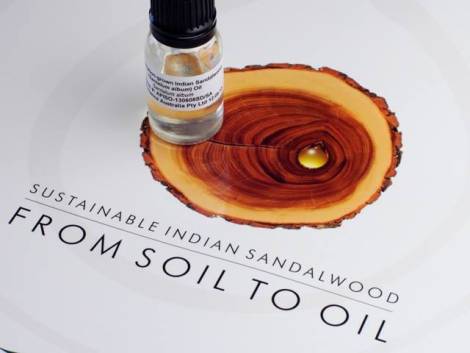
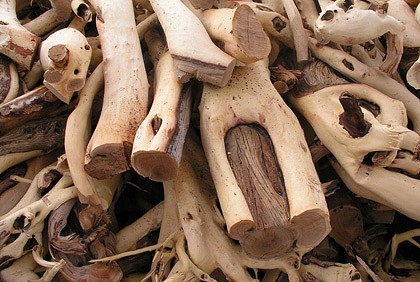
Sandalwood and oil - pic via www.fengshuidana.com

Sandalwood and oil – pic via http://www.fengshuidana.com

The traditional sandalwood that we’ve all come to know and love is often referred to as Indian or Mysore Sandalwood as it hails from the subcontinent of India. It is the rich, creamy, deep wood scent that has captivated the world. It is expensive because we have managed to strip India of it’s entire forests (we are very bad), so now it’s being grown in Australia (very good). This new oil grown and produced in Australia is Santalum album, so don’t get it mixed up with Santalum spicatum which is called Australian Sandalwood. Got it?

nourish your skin with oil blends

nourish your skin with oil blends

1.Nourishing Body Oil Blend

For a coat of your body use 3 teaspoons of carrier oil in a little dish and, add 7 – 8 drops of essential oil.

***** Always put the drops of essential oil into the bottle or dish first, then add the carrier oil. It gives the scents time to create a synergistic fusion.

For a 50ml bottle of oil add 25 drops and see my articles “Ratios for Blending Essential Oils – A Reminder of the Basics” and  “Aromatherapy – It’s Easy as 1 2 3”

“Snake”

Feel lithe and grounded –

Sandalwood        2 drops

Orange                3 drops

Rose Geranium    2 drops

——————————————————————————————————————

“Date Night”

Feel a little bit sexier –

Sandalwood    2 drops

Ylang Ylang     1 drop

Bergamot        4 drops

—————————————————————————————————————–

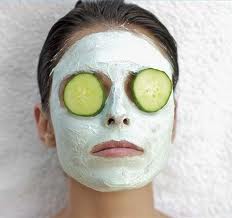
A clay face mask is the best and most natural clarifyng mask. pic vis chiclooking.com

A clay face mask is the best and most natural clarifyng mask. pic via chiclooking.com

2. Face Mask

Usually add 2 or 3 drops of oil to some clay and add water, floral water or hydrosol

For any skin type use white or pink clay –

Sandalwood       1 drop and leave it at that, sandalwood is strong enough

—————————————————————————————————————–

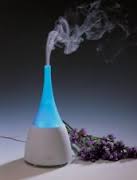
essential oil diffuser

essential oil diffuser

3. Scent Your Space

In a traditional oil burner with a candle or a diffuser add 25 drops of oil

“Buddha Breeze”

Connect to your spiritual energy –

Sandalwood    8 drops

Mandarin         8 drops

Palmarosa       8 drops

Vetiver             1 drop

——————————————————————————————————————

“Boudoir Baby”

Sandalwood      6 drops

Ylang Ylang       4 drops

Bergamot        12 drops

Lemon Myrtle    3 drops

——————————————————————————————————————

“Why Not?”

Garner some courage –

Sandalwood      8 drops

Lemongrass    10 drops

Black Pepper    8 drops

——————————————————————————————————————

Anoint your third eye and breathe! pic via buelahman.wordpress.com

Anoint your third eye and breathe! pic via buelahman.wordpress.com

4. Pure Pulse Point Perfume

In a little dish mix these oils and anoint your pulse points or chakras – 3 drops of essential oils and dilute with a few drops of carrier oil – always patch test first!

“YEAH!”

Rejoice in life –

Sandalwood    1 drop

Rosewood      1 drop

Black Spruce   1 drop

——————————————————————————————————————

“Yep I’m Awesome”

Get vibing on yourself –

Sandalwood    1 drop

Petitgrain         2 drops

——————————————————————————————————————

a simple hairdressing mist bottle will do the trick for your amazing essential oil mist

a simple hairdressing mist bottle will do the trick for your amazing essential oil mist

5. Personal Aura Cleansing Mist & Room Mist

In a 50ml mist bottle filled with water add 25 drops of oil

(depending on the packaging you have, you may need to use a little alcohol -like vodka- at the bottom of your bottle first, so the oils disperse into smaller drops to prevent clogging the atomiser top. I’ve found sometimes it works just with water, and sometimes it doesn’t)

“Alpha Brainwaves”

A meditative energy –

Sandalwood       6 drops

Lemon              12 drops

Lavender            7 drops

——————————————————————————————————————

“Settle Down Kids”

Mist around the kids to help them chill –

Sandalwood      4 drops

Orange            14 drops

Spearmint          7 drops

——————————————————————————————————————

Happy blending and remember to use your intention when you are creating your formulas.See my article about intention.

copyright suzannerbanks 2013

Sandalwood from India to Australia

Mysore sandalwood now grown in Australia

Mysore sandalwood now grown in Australia

I was recently asked to contribute to an article called “Sandalwood Dreams” appearing as an 8 part series by perfume officiando and writer Jordan River.

It started with a surprise present in the post via my friend and perfume blogger Portia Turbo from Australian Perfume Junkies. I was happy to open the package to find a cute little bottle of sandalwood oil and a beautiful colour brochure, almost a book! This was a sample of Santalum album, commonly known as Indian sandalwood or Mysore sandalwood. The big difference is that this Indian Sandalwood is grown in Australia, from seeds obtained from India, and it packs a powerful punch. This oil is now being offered by one of my trusted suppliers and it’s more expensive than the Mysore sandalwood has ever been, however it’s now sustainable and offers the world a great solution to the previous shortage.

Click here to access Jordan’s magnificent series on this wonderful oil grown in Australia.

I appear in Part 7 which is titled “What Does It Smell Like?” that also asks other experts on the scent of Indian sandalwood grown in Australia.

Australian Sandalwood - pic via www.australian-aridlands-botanic-garden.org

Australian Sandalwood – pic via http://www.australian-aridlands-botanic-garden.org

I have also previously written about the two types of sandalwood on Australian Perfume Junkies (so click here for the original story, with excerpts from the story below):

An essential oil from a wood can draw us in to world of intrigue and secrets, ancient knowledge and divine scent. Wood oils bring an oil formulation together and can be considered “grounding” and “centering” – due to the fact the tree roots delve deep into the earth. Oils from woods have been used for thousands of years in sacred ceremonies, embalming techniques and in traditional healing. Cherish these beautiful gifts from nature.

Today most oils come from renewable plantations but in the case of Sandalwood we have seen a decline in the tree population for many years. Indian Sandalwood has been over farmed, which has led to a crisis in the industry and in our forests. Illegal felling of young trees has also led to more stringent controls from the Indian government to help sustain production long-term. This is the one driving factor in the huge price increase in the last 10 years, and is also the reason why the Australian Sandalwood industry is booming.

Australian sandalwood - pic via watoday.com.au

Australian sandalwood – pic via watoday.com.au

The Indian type “Santalum album”, and the Australian sandalwood “Santalum spicatum” have similarities but are wonderful in their differences. The Indian wood is the classic deep, sweet exotic scent that we have come to know and love and in the Australian oil, you can actually smell the bush. It really is beautiful. I use both oils, and both are considered to be premium oils and are more expensive than common oils.

Traditionally Sandalwood has been used for spiritual ceremonies and the spread of the use of this oil is claimed to have come hand-in-hand with Buddhism. If anyone has been to India you would know the widespread use of the scent in incense and temples, in soaps and perfumes.
It is used therapeutically to treat acne, urinary disorders and infections and as a nervine tonic to ease stress and anxiety.

Sandalwood and oil - pic via www.fengshuidana.com

Sandalwood and oil – pic via http://www.fengshuidana.com

There is also an oil produced called West Indian Sandalwood but this tree comes from a different species and is sometimes called amyris oil. I’ve never used this oil, and have never seen it anywhere. It apparently has a slight sandalwood scent (hence it’s name) and is used in perfumes and fragrant body products.


Sandalwood is an oil for softening the edges in your life. Breathe it in and you wont be disappointed.

copyright suzannerbanks 2013


Star Anise, Aniseed and Fennel Essential Oils – What’s the Diff?

Star Anise pic via es.wikipedia.org

Star Anise pic via es.wikipedia.org

Have you ever wondered if these plants (and essential oils) are the same? The one thing they have in common is that they all have an aniseed-licorice scent about them, however they are all different plants and the essential oils are different too (if only slightly). Fennel tends to be the more used essential oil in Aromatherapy but I’m sure some therapists out there may prefer Anise.

Aniseed (or Anise)

Pimpinella anisum - pic via blog.metmuseum.org

Pimpinella anisum – pic via blog.metmuseum.org

Pimpinella anisum comes from the Umbellifrae (also called Apiacae) family, like fennel. It is very similar to fennel in its scent and has some similar molecules. The plant is also very similar to fennel too – with the flowers making “umbrels” in their innate design (hence the “Umbellifrae’ family). Fennel has more yellow flowers and aniseed flowers are white. The stories of aniseed and fennel both go back to ancient Rome and I love this quote from Botanical.com:

“Mustacae, a spiced cake of the Romans introduced at the end of a rich meal, to prevent indigestion, consisted of meal, with Anise, Cummin and other aromatics. Such a cake was sometimes brought in at the end of a marriage feast, and is, perhaps, the origin of our spiced wedding cake.”

It is high in anethole which represents the highly distinctive scent, and Salvatore Battaglia reports the typical analysis as:

85% trans-anethole (a possible dermal irritant)

2.29% cis-anethole

0.94% acetoanisole

0.58% anisaldehyde

0.58% safrole

0.18% linalool

0.17% a-pinene

0.07% camphene

0.01% B-pinene

Even throughout history this seed has been used for coughs, colds, digestive disorders and it’s used for the same thing today. It is said to a better expectorant than fennel too.

Fennel

fennel flower

fennel flower

Foeniculum vulgare essential oil comes from the seeds like the anise bush and as you can see they are very similar plants. One again the Romans used these seeds for digestion and the Greeks thought it a slimming herb because of its diuretic value. I definitely use fennel to release excess water and also watery emotions in my clients. I often use fennel with juniper and use this combo in clay masks for cellulite too. It seems to be a softer more nurturing oil than aniseed as it is lower in trans anethole. Here’s a typcial analysis from Salvatore Battaglia’s great book “The Complete Guide to Aromatherapy”:

64 – 69.2% trans-anethole

19 – 21.6% fenchone

3.9 – 6.5% methyl chavicol

1.8 – 3.3% a-pinene

1.2 – 1.7% limonene and 1,8 cineole

0.1 – 0.3% anisic aldehyde

0.5 – 0.8& myrcene

Fennel has slightly more uses as it can be used for cramps during menstruation and to help the flow of milk in lactating women. I use this oil energetically as a self nurturing oil as it’s warm and inviting scent can help you relax and release.

Star Anise

Star anise - pic via www.tajagroproducts.com

Star anise – pic via http://www.tajagroproducts.com

Illicium anisatum is part of the Schisandraceae family and you can see the little seeds within the star formations. Sometimes known as Japanese anise it is often mixed up with Chinese anise (Illicum verum) which is very similar. One of my suppliers offers Illicum verum var. Hooker only but I haven’t used it. In my practice I need to be able to use more commonly trialled and investigated oils and that’s why fennel is the best out of the three. Of course in perfumery it’s a different story as you would primarily selecting oils for their scent rather than therapeutic value. The closest I can find in a typical analysis is from “THE ESSENTIAL OIL OF ILLICIUM ANISATUM LINN. by W. B. Cook, A. S. Howard” and they state:

18.1% cineole

10.1% linalool

9.8% methyleugenol

6.8% α-terpenyl acetate

6.6% safrole

and a sesquiterpene hydrocarbon of unknown constitution (7.2%) and they say

“The composition of this oil differs widely from that of the commercially used star anise oil obtained from Illicium verum Hooker. The most striking difference between the two oils is found in the anethole content, which constitutes 88% of the commercial oil but only 1.2% of the oil here investigated.”

So there you go.

Basically if you are going to use an aniseed scented oil go with fennel.

copyright suzannerbanks 2013

Marjoram – A Must-Have Essential Oil for the Scent Enthusiast

Marjoram is a dainty herb with a big scent - pic via thelastrevelation.com

Marjoram is a dainty herb with a big scent – pic via thelastrevelation.com

Ah marjoram. I’m not sure if I’m addicted to this very strong, herbaceous, hardy oil but rarely a week goes by that I wont use this with clients, friends or myself.

I have written an article generally on the herbs “Essential Oils from Herbs are Spectacular”, but I think we may need to go deeper into each one.

We’ll start with marjoram because I just felt like talking about it. Often when I go to have my treatment, my aromatherapist also uses this oil frequently with me as it has some great indications for the body and spirit too (of course)!

Marjoram (Oreganum marjorana) belongs to the herb family called Lamiacae, and the genus of Oreganum. It may now be more obvious why marjoram and oregano (Oreganum vulgare)  look very similar and sometimes it’s hard to tell the fresh herbs apart from each other.

Great pic comparing oregano and marjoram - pic via cookthink.com

Great pic comparing oregano and marjoram – pic via cookthink.com

Herbs are the ancient medicinal healers of our world and when I make a blend for a client that has a few herbs in it I always say to myself silently “ah the herbs’ and feel like I’ve created a very traditional therapeutic blend. This herb was used by the ancient Greeks and according to Salvatore Battaglia, the name marjoram means “joy of the mountains”. Aw lovely!

In aromatherapy marjoram is used for:

* aching and sore muscles

* general body pain

* as a warming tonic

* to help someone deal with grief

* to help with falling asleep

* to counteract stress

* as a sedative for distraught emotions

* generally for calming and soothing

* to reduce coughing

I use marjoram for all these things too, and particularly love the way it blends so well with all the other oils. I like marjoram and use it a lot along with lavender because they are so beautifully calming. Who doesn’t want to chill out when they have a massage? We all need a little help de-stressing from the ups and downs of daily life so in this respect it’s a great oil.

a client's oil formulation

A client’s oil formulation with marjoram

Here are a few recipes –

1. Nourishing Body Oil Blend

For a coat of your body use 3 teaspoons of carrier oil in a little dish and, add 7 – 8 drops of essential oil.

***** Always put the drops of essential oil into the bottle or dish first, then add the carrier oil. It gives the scents time to create a synergistic fusion.

For a 50ml bottle of oil add 25 drops and see my articles “Ratios for Blending Essential Oils – A Reminder of the Basics” and  “Aromatherapy – It’s Easy as 1 2 3”

“Release the Day”

Release the stress of the day by putting this all over your body after a shower –

Marjoram   3 drops

Bergamot  4 drops

————————————————————————————————————————————–

 “Oh My Aching Legs”

Apply to aching legs and rest with your feet elevated –

Marjoram     4 drops

Lavender      2 drops

Rosemary     2 drops

(ah the herbs)!

————————————————————————————————————————————–

Anoint yourself with pure essential oils

Anoint yourself with pure essential oils in a little carrier oil

2. Pure Pulse Point Perfume

In a little dish mix these oils and anoint your pulse points or chakras – 3 drops of essential oils and dilute with a few drops of carrier oil – always patch test first!

“I’m Ready for You Now Sleep”

Induce relaxation –

Marjoram     2 drops

Neroli 3%    3 drops  * see my article for more info on 3% blends in jojoba

————————————————————————————————————————————-

“Phew I’m Glad That’s Over”

Marjoram       1 drop

Rosewood     1 drop

Lemongrass   1 drop

————————————————————————————————————————————–

Happy blending and remember to use your intention when you are creating your formulas. See my article about intention.

copyright suzannerbanks 2013

Rosewood – A Story of Ecology and Conservation

Rosewood tree in the Amazon pic via amazonecology.wordpress.com

Rosewood tree in the Amazon pic via amazonecology.wordpress.com

I love this oil so much and have really enjoyed using it for many different things, but now I must adapt!

The Rosewood tree (Aniba roseaodora) is under threat and so the supply of this pure essential oil has been halted. Also known as Bois de Rose in perfumery, the last Rosewood oil I bought was actually from Canada and I think the Canadian company is a supplier rather than a grower as the climates are so very different. Most rosewood comes from Brazil and the government has been forced to protect this beautiful tree from poachers by enforcing strict laws. I’ve found a great article on Brazilian Rosewood from the Food and Agriculture Organistion of The United Nations –

The perceived threat to the species posed by the destructive nature of harvesting has led to increasingly tight controls on the industry in Brazil. Government regulations exist which are intended to minimise this threat although there are difficulties in enforcing them. The results of recent field surveys in Brazil by Faculdade de Ciências Agrárias do Pará (FCAP) based in Belem indicate, in fact, that the species is not presently faced with extinction. Substantial wild stands exist deep within forest areas which are unlikely to be exploited for logistical or economic reasons.

However, the older, more accessible areas which have been utilised by the rosewood oil industry are effectively devoid of mature trees and there is no significant natural regeneration. This, together with the general problem of deforestation caused by land clearance, has led to a loss of germplasm diversity and a narrowing of the genetic base on which future domestication of the species will depend.

http://www.fao.org/docrep/v5350e/v5350e06.htm

A few months ago I was making a large batch of an essential oil blend I designed for a customer many years ago. I ordered my oils only to find out I was no longer able to get rosewood oil as it’s back on the endangered list. Not good. Not good for the people from the rainforest, the tree itself and the people who love this oil.

Rosewood trees - pic via http://positiveproductions.org/

Rosewood trees – pic via http://positiveproductions.org/

So what can are the alternatives to this oil? Many trusted suppliers are now offering a ‘blended Rosewood oil” and here’s a quote from one of mine –

Rosewood is a small evergreen tree now strictly controlled as an endangered species by the Government of Brazil. Due to the ever-increasing controls that CITES has put on the harvesting of the Aniba rosaerodora tree, the amount of legal wood finding its way to oil distillers has significantly reduced to a point now where we have been unable to source a good affordable quality of Rosewood Oil on the international market. Therefore we now offer this natural blend which imitates the components and scent of the real Rosewood Oil.

Rosewood twigs - pic via www.plantingempowerment.com

Rosewood twigs – pic via http://www.plantingempowerment.com

I have bought and tried this oil and the scent is basically the same as Rosewood – you really wouldn’t be able to tell the difference. However if you are using Rosewood for the therapeutic properties which most therapists would be, then it will not have the same effects on the skin and it is not the same. This is where the Canadian supplier comes in I think – they have created a blended oil from their own supplies of the real thing.

Let us pray for sustainably farmed Rosewood

Let us pray for sustainably farmed Rosewood

So let us pray that some genius out there with a trillion dollars to spare can start a sustainable rosewood farm so we can all experience, once again, the medicine this beautiful tree has to offer us.

We must listen to the earth and allow plants to thrive – after all we are relying on them to sustain us too! And we need to support the indigenous population of the Amazon who rely on their forest to live!

copyright suzannerbanks 2013

Hello Black Spruce, Where Have You Been All My Life?

Black spruce pc via essentialhealth.com

Black spruce pic via essentialhealth.com

Picea mariana (black spruce) is a species of spruce native to northern North America, from Newfoundland to Alaska, and south to northern New York, Minnesota and central British Columbia, in the biome known as taiga or boreal forest.”  Wikipedia

I’ve just used black spruce in a body wash with some other oils – simply because I had in my oil collection and never used it before. And now of course, I can’t live without it! Described as Canada’s best kept secret the scent of this oil is divine. It’s not nearly as brash as pine, but more herbaceous and green than fir (although they do smell quite similar). It is quite enchanting, warming and soft and I want to use it every day now. It’s from the Pinaceae family like these other trees and so displays some common characteristics.

A typical analysis of Black spruce essential oil is hard to find and I’ve been searching for ages. I have found a couple of MSDS’s (Material Safety Data Sheet) and many aromatherapy websites that seem to be regurgitating the same few lines. A website named Stillpoint Aromatics seems to have more specific info and claims;

“Black Spruce Essential Oil is rich in monoterpenes that give this oil its anti-inflammatory and analgesic therapeutic effects. It also is high in camphene, a monoterpene known for its mucolytic and respiratory benefits. The other chemical component of significant value, bornyl acetate, has multiple therapeutic values. It is what gives Black Spruce not only added analgesic and anti-inflammatory properties, but the energetic and emotional support for calming and sedating.”
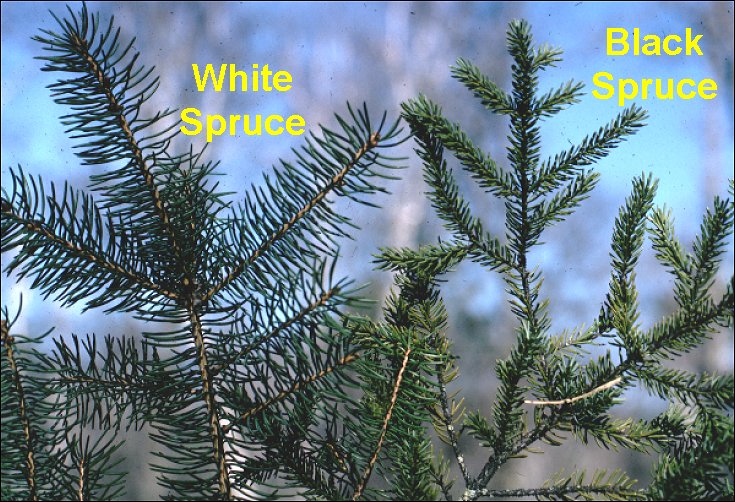
Black and White Spruce trees pic via uptreeid.com

Black and White Spruce trees pic via uptreeid.com

I still haven’t found a complete chemical breakdown on this oil (it’s called A Typical Analysis) so it’s hard for me to say specifically what this beautiful oil could be used for but it’s clear to me that just one whiff of this oil is very clarifying. I would treat this oil as an expansive oil for the third eye chakra and a great way to connect to your abundance. I’ve always thought of pine oil as an oil of abundance as so I would include this lovely black spruce, fir and other conifers in this metaphysical section too.

If the above description is correct, sounds like this oil is great for sore muscles, and what we would expect from a tree like this –  help with breathing and breaking down mucous in the respiratory system. So yay for Black spruce!

A personal mist is easy to make! pic via ebay.com.au

A personal mist is easy to make! pic via ebay.com.au

So let’s get into some recipes –

1. Personal Aura Cleansing Mist & Room Mist

In a 50 ml mist bottle filled with water add 25 drops of oil

“Ain’t No Mountain High Enough”

Believe!

Black Spruce  10 drops

Lavender          5 drops

Orange           10 drops

————————————————————————————————————————————–

“Meditation”

Clarify and cleanse your mind –

Black Spruce    8 drops

Frankincense    8 drops

Rosewood       9 drops

————————————————————————————————————————————–

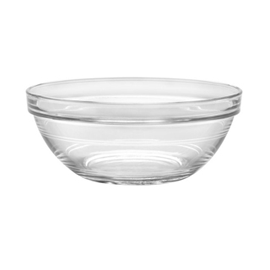
The classic Duralex glass dish is handy to make oil blends and quick perfumes in

The classic Duralex glass dish is handy to make oil blends and quick perfumes in

2. Pure Pulse Point Perfume

In a little dish mix these oils and anoint your pulse points or chakras – 3 drops of essential oils and dilute with a few drops of carrier oil – always patch test first!

“Multiverse”

Go beyond this universe into other dimensions –

Black Spruce 1 drop

Rose 3%       3 drops      * see my article for more info on 3% blends in jojoba

————————————————————————————————————————————–

“I Am”

Just ‘be’ –

Black Spruce                2 drops

Sandalwood Australian 1 drop

————————————————————————————————————————————–

Happy blending and remember to use your intention when you are creating your formulas. See my article about intention.

copyright suzannerbanks 2013

Everlasting Essential Oil Connects us to Our Immortality

Helichrysum italicum "everlasting". pic via calphotos.berkeley.edu

Helichrysum italicum “everlasting”. pic via calphotos.berkeley.edu

Aw this cute little daisy comes from the Asteraceae family along with the chamomiles, sunlfowers, safflower, marigold, globe artichoke, echinacea and chrysanthemum among many others. Also referred to as “immortelle”, can you guess what this essential oil is good for ? Immortality and the fountain of youth spring to mind when I think of everlasting, it’s great for skin and has many other benefits.

I was very excited to get a new bottle delivered the other day. It has a sweet, honey-like aroma with undertones of spice. Sometimes called the “curry plant”, everlasting does have a complex scent, maybe with a hint of curry – but don’t let that put you off. A few drops of this beautiful oil may be all you need to electrify and bend and add depth and sweetness to the scent. You may find everlasting n a 3% blend (see my article for more info on 3% blends in jojoba) or on it’s own but it will be more expensive this way.

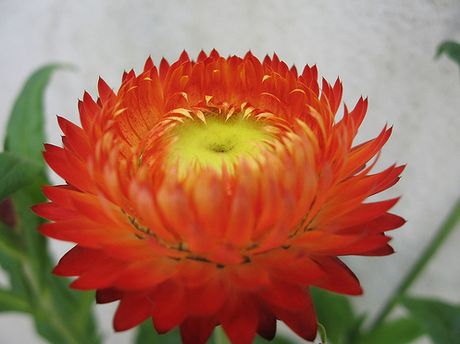
Helichrysum bracteatum - essential oil does not come from this Helichrysum but you may recognise this flower from your local florist

Helichrysum bracteatum – essential oil does not come from this Helichrysum but you may recognise this flower from your local florist

In aromatherapy today everlasting is used for:

– formulations in skincare to promote cell growth and act as an anti-inflammatory agent

– as a stimulant to the lymphatic system to aid lymphatic drainage and therefore allow the skin to expel toxins more efficiently

– aiding the symptoms of dermatitis and excema

– diminishing scar tissue

– healing wounds

– coughs, coughing and asthma

– according to Salvatore Battaglia (The Complete Guide to Aromatherapy) everlasting is great for liver inflammation and the organs of the gall bladder, spleen and kidneys  – all the organs helping in detoxification of the body. We can see how this relates to lymphatic drainage too.

infinity

infinity = immortality

I use everlasting energetically as a way to connect us to our immortality. The Fountain of Youth lives within us if we are able to see we are simply a manifestation of the energy of our spirits. Our souls will return to the oneness of the universe when our mortal bodies fade away. It’s seems so poetic to use the french word ‘immortelle’ for this beautiful oil, and I encourage you to use it with this thought in mind.

 The Fountain of Youth by Lucas Cranach the Elder. pic via en.wikipedia.com

The Fountain of Youth by Lucas Cranach the Elder c 1546  pic via en.wikipedia.com

Here a a few recipes for our sweet immortelle:

1. Nourishing Body Oil Blend

For a coat of your body use 3 teaspoons of carrier oil in a little dish and, add 7 – 8 drops of essential oil.

***** Always put the drops of essential oil into the bottle or dish first, then add the carrier oil. It gives the scents time to create a synergistic fusion.

For a 50ml bottle of oil add 25 drops and see my articles “Ratios for Blending Essential Oils – A Reminder of the Basics” and  “Aromatherapy – It’s Easy as 1 2 3”

“Sophia Loren”

Be as beautiful as this amazing lady who has said the Fountain of Youth lies in your creativity-

Everlasting 3%        12 drops

Rosewood                3 drops

—————————————————————————————————————————————

“Immortality”

Enjoy life in this moment for it will change form soon –

Everlasting 3%        9 drops

Sage                       1 drop

Pink Grapefruit         4 drops

—————————————————————————————————————————————-

“50 is the New 30”

Be young through the expression of your unique qualities, and youthful looking skin –

Everlasting           9 drops

Palmarosa            3 drops

Lavender             2 drops

—————————————————————————————————————————————

Happy blending and remember to use your intention when you are creating your formulas. See my article about intention.

copyright suzannerbanks 2013