10 Recipes with Marjoram Essential Oil – Oreganum marjorana

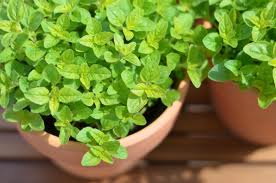
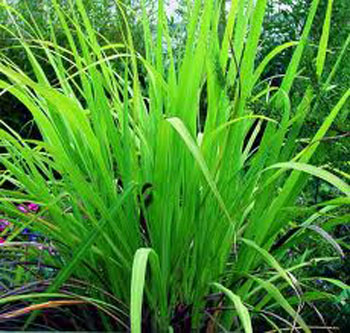
Marjoram - pic via www.podgardening.co.nz

Marjoram – pic via http://www.podgardening.co.nz

Marjoram is an essential oil I use frequently with clients as it has a beautiful scent and some wonderful qualities. It hails from the Lamiacae family (along with many other herbs), the genus Oreganum and the species marjorana. It has a much more pleasant scent than oregano and therefore has more uses in aromatherapy.

In aromatherapy today marjoram is used for –

* aching and sore muscles

* general body pain and as a warming tonic

* to help someone deal with grief and as a sedative for distraught emotions

* to help with falling asleep

* to counteract stress and generally for calming and soothing

* to reduce coughing

Let’s try out 10 recipes –

An essential oil steam in the shower will do wonders for your mind and energy levels - pic via completehealthcircle.com

An essential oil steam in the shower will do wonders for your mind and energy levels – pic via completehealthcircle.com

1. Put A few Drops Of Oil into the bottom of the Shower

This works in a similar way to just taking a whiff straight from the bottle, but if you’ve got an extra minute, it will give you a completely different experience. Your whole body will be immersed in an essential oil steam. Just cover the drain with a cloth or your foot for a couple of minutes and breathe in the medicinal goodness.

Marjoram in the shower will help you unwind at the end of a very stressful day, or give you warming shower before bed on a cold night.

——————————————————————————————————————


Anoint yourself with pure essential oil blends

Anoint yourself with pure essential oil blends

2. Pure Pulse Point Perfume

In a little dish mix these oils and anoint your pulse points or chakras – 3 drops of essential oils and dilute with a few drops of carrier oil – always patch test first!

 “Planning My Day”

Start out nice and calm –

Marjoram     1 drop

Bergamot    2 drops

—————————————————————————————————————–

“Kindness”

Marjoram    1 drop

Nutmeg       1 drop

Mandarin     1 drop

——————————————————————————————————————

“Warm Heart”

Marjoram    1 drop

Rose 3%     3 drops  * see my article for more info on 3% blends in jojoba

—————————————————————————————————————–

“Serenity Now”

Marjoram                    1 drop

Roman Chamomile     2 drops * see my article for more info on 3% blends in jojoba

Lavender                     1 drop

—————————————————————————————————————–

Classic oil burner with a twist pic via top3.com.au

Classic oil burner with a twist – pic via top3.com.au


3. Scent Your Space

In a traditional oil burner with a candle or a diffuser add 25 drops of oil

“HEAD.ACHE”

Please go away –

Marjoram     8 drops

Lavender      8 drops

Peppermint  5 drops

Orange        4 drops

——————————————————————————————————————

“Chill Out Sunday Sessions”

Marjoram       6 drops

Petitgrain      10 drops

Peru Balsam   6 drops

Patchouli        3 drops

——————————————————————————————————————
Rub oil into your body - it's good!

Rub oil into your body – it’s good!

4. Nourishing Body Oil Blend

For a coat of your body use 3 teaspoons of carrier oil in a little dish and, add 7 – 8 drops of essential oil. It’s always best to patch test first, before you apply all over.

***** Always put the drops of essential oil into the bottle or dish first, then add the carrier oil. It gives the scents time to create a synergistic fusion.

For a 50ml bottle of oil add 25 drops and see my articles “Ratios for Blending Essential Oils – A Reminder of the Basics” and “Aromatherapy – It’s Easy as 1 2 3”

“Achey Breaky Body”

Marjoram     3 drops

Ginger         2 drops

Rosemary   2 drops

——————————————————————————————————————

“Pre Yoga”

Marjoram       3 drops

Lemongrass   3 drops

Black Pepper  1 drop

——————————————————————————————————————

“Apre Run”

Marjoram    3 drops

Rosewood  3 drops

Fennel         2 drops

——————————————————————————————————————

Happy blending and remember to use your intention when you are creating your formulas. See my article about intention.

copyright suzanne


Lemongrass – A Universal Scent and “All Seasons” Essential Oil

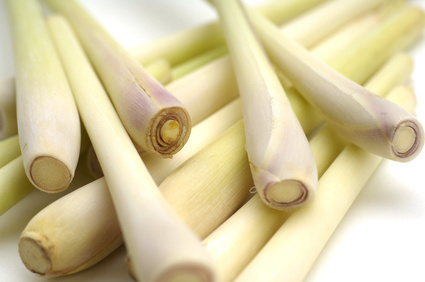
Delicious lemongrass

Delicious lemongrass

Just look at the pic above. Lemongrass appears to be a substantial, almost “meaty” root. The essential oil of lemongrass definitely has a substantial scent, and I would dare say is one of the more popular oils. In general, men like the deep gutsy scent, women adore the verve and vitality and kids and pets resonate with it’s fresh yet syrupy energy. It is a universally appealing oil and is accessible and inexpensive.

Lemongrass is a great oil for energising and creating energy where there is lack. In cooking lemongrass gives a zingy, lemony bite to a dish. I often use the oil with clients when they are lacklustre. It’s like the giddy-up oil. The get-going oil.

So fresh and green!

So fresh and green!

Lemongrass is great for summer to ward off insects – just put some drops straight onto your skin to keep away the mosquitoes.

Lemongrass is great for winter as it helps to start you up on a cold morning.

Lemongrass is fantastic for spring to clear away the cobwebs of winter.

Lemongrass is wonderful for autumn as a mood enhancer when you realise summer is coming to an end.

Goodbye summer ...

Goodbye summer …

The main active ingredient in lemongrass is citral. Then there’s lots of other little helpers including geraniol, limonene and nerol. Can you guess what other oils these belong too? If you said geranium, lemon and neroli you are right. These molecular structures are found in other oils too. Each essential oil has its own character that is created by different chemical consituents but it’s hard to pinpoint the magic. It’s all about the old adage “the whole is greater than the sum of its parts”. This refers to the energetic presence an entity has. You can break down a plant into scientific measurements, but its the synergistic combination of all the little molecules that makes it unique. With essential oils, their uniqueness is their scent.

The scent of lemongrass can been described as lemony, herbaceous & strong. A little goes a long way. It’s a very tropical scent and is grown in hot areas in Asia and Africa. Perfect for bringing the warmth of the tropics into your life.

In Aromatherapy today lemongrass is used –

* for clearing the mind

* as a tonic for exhasution

* in a treatment when someone is recovering from sickness or is post viral

* to aid digestion

* for aching muscles and an aching body

Try a few drops in the shower for an awakening steam treatment or making an energising essential oil body blend. Stay tuned for more recipes!

Remember to treat yourself first, then everyone will benefit.

copyright suzanne

The Divine Scent of Roman Chamomile Essential Oil

Anthemis nobilis - a classic illustation from Kohler's Medicial Pflanzen

Anthemis nobilis – a classic illustration from Kohler’s Medicinal Pflanzen

I have brushed over the chamomiles previously but would love to go into more detail about Roman chamomile. You can check out my previous blog Softly and Gently with the Chamomiles, but lets go into the world of this special, petit fluer in this article.

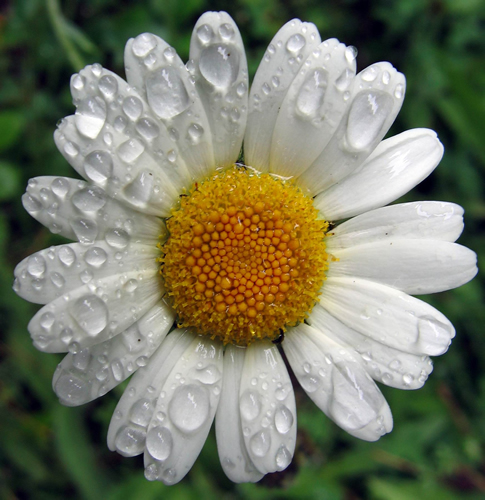
As with many plants this chamomile has a couple of botanical names – Anthemis nobilis or Chamaemelum nobile. Either way you can pick up that it is considered a nobile plant – distinguished by rank and manner. It is part of the Asteracae family (daisies) and the genus Chamaemelum. I’ve always loved daisies because they are so sweet, simple and pretty. This chamomile also has a very pretty scent and the essential oil is magnificent! For a small flower the scent is BIG!

This scent greatly differs from the other chamomile used in Aromatherapy – German chamomile – which is much darker in colour, darker and heavier in scent too. Our beautiful little “Roman” daisy will appeal to everyone from kids to the elderly, and even our pets.

Chamomile - sweet flower, sweet scent

Chamomile – sweet flower, sweet scent

It’s hard to tell the chamomiles apart as a flower but the German chamomile tends to have a more prominent pointed centre with leaves pointing downward, whereas the Roman chamomile flower is generally more balanced and larger, with a flat centre and daisy-like leaves. This is a generalisation and I’m sure the gardeners out there will have something to say about that!

In Aromatherapy today Roman chamomile is used;

* for stomach cramps as it is a great anti-spasmodic

* as a stomach calming oil in general

* as a calming oil in all respects – both physically and mentally

* as a soothing tonic to overwrought emotions

* as a calming oil for children

* for headaches

* for period pain

* for any kind of cramping whether it be in the body, the emotions, the mind or the energetic body

* in body oil blends and treatments for red, inflamed skin

Roman chamomile - pic via 3morganic.com

Roman chamomile – pic via 3morganic.com

I find it difficult to describe scent but I would say that this oil is sweet and intoxicating, with honey-like tones. This is a description from Wikipedia –

“The word chamomile, and the genus name Chamaemelum come from the Greek χαμαίμηλον (chamaimēlon), “earth-apple”, from χαμαί (chamai), “on the ground” + μήλον (mēlon), “apple”, so-called because of the apple-like scent of the plant. “

I suppose it has an apple-like scent but at least this gives you an idea and also indicates how long this plant has been around.

According to chamomile.co.uk/history.htm

“Chamomile was known to the Romans and used for incense and in beverages. Ironically, the name ‘Roman Chamomile’ by which it is sometimes known, does not stem from this time, but from a rather arbitary naming of the herb in the 19th century by a plant collector who happened to find some growing in the Colleseum in Rome!”


This site also refers to the use of chamomile in Egypt for treatment of fever but as we know it was various monasteries throughout Europe who consolidated the use of many herbs in the Middle Ages and who’s recipes still exist today in alcoholic beverages and perfumes.

Old medicine = good medicine!

Stay tuned for some recipes with this stunning essential oil which is more commonly retailed in a 3% blend in jojoba. This way we can use it straight from the bottle and it makes a wonderful perfume on it’s own. Fore more info on 3% blends check out my story here.

copyright suzanne


10 Recipes with Basil Essential Oil – Ocimum basilicum


Beautiful aromatic basil

Beautiful aromatic basil

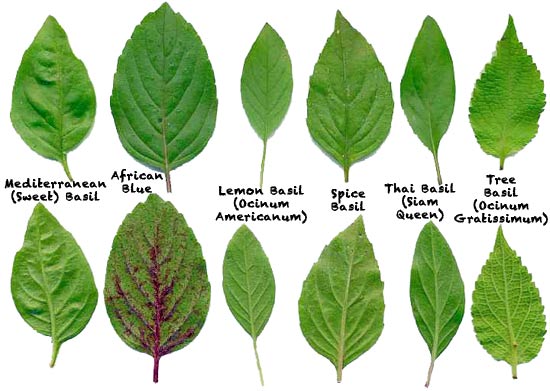
Basil is a herb from the Lamiacae family and the genus Ocimum, and has been flavouring our foods and healing us for centuries. It is a scent you won’t forget – green, herbabceous sweet and pungent. As an essential oil basil (sometimes referred to as sweet basil) is stimulating to the mind opening the upper chakras and giving the brain a cleansing, refreshing scent.

In aromatherapy basil oil is used –

* as a cephalic which means it stimulates the head in general so if used in small amounts it could help a headache. Some basil oils can be high in linalool oil which is present in large amounts in lavender.

* to ease stress and tension and calm mild anxiety (you may notice lots of essential oils are attributed to this use which shows that they can be easily used to help you relax – even if it’s just for a couple of minutes)

* as an anti-inflammatory agent for joint pain


Sneakily borrowed from thepoofairy.com (hehehehe)

Sneakily borrowed from thepoofairy.com (hehehehe)

There are many types of culinary basil but so far the winner in terms of essential oil production is this basil – sweet basil. When using this oil it can be tricky to get the proportions right because it’s so strong. Sometimes a drop is all you’ll need.

Let’s check out some recipes –

Take a huge whiff to change your focus in seconds

Take a huge whiff to change your focus in seconds

1. Open The Bottle and Take a Huge Whiff

This “recipe” is one for those who need to –

* wake up

* open to universal intelligence

* chill out and stop freaking out

* have a headache or have mental fatigue?

—————————————————————————————————————–

There are lots of great essential oil diffusers on the market now - pic via www.aliexpress.com

There are lots of great essential oil diffusers on the market now – pic via http://www.aliexpress.com

2. Scent Your Space

In a traditional oil burner with a candle or a diffuser add 25 drops of oil

“Can’t.Wake.Up”

When your brain needs a boost –

Basil              8 drops

Rosemary      4 drops

Peppermint    4 drops

Orange           9 drops

——————————————————————————————————————

“Summer Evening”

Add some basil to your gin and tonic too –

Basil          10 drops

Geranium    6 drops

Petitgrain    8 drops

Vetiver         1 drop

——————————————————————————————————————

“Oh Man What a Day!”

When you need to relax after a challenging day –

Basil               8 drops

Bergamot     12 drops

Lemongrass    5 drops

——————————————————————————————————————

“Living the Dreams”

For a slumber full of dreams –

Basil           4 drops

Lavender   12 drops

Mandarin    8 drops

Spikenard   1 drop

——————————————————————————————————————

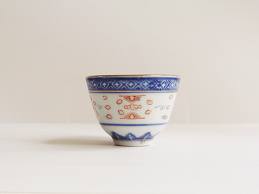
Chinese tea cup - perfect for a little perfume magic

Chinese tea cup – perfect for a little perfume magic

3. Pure Pulse Point Perfume

In a little dish mix these oils and anoint your pulse points or chakras – 3 drops of essential oils and dilute with a few drops of carrier oil – always patch test first!

“Ascended Masters”

Tap into this great wisdom –

Basil      1 drop

Nutmeg 1 drop

Lime      1 drop

——————————————————————————————————————

“Big Day Ahead”

Basil            1 drop

Palmarosa  1 drop

Lavender      1 drop

——————————————————————————————————————

“Bon Courage”

Basil                1 drop

Black Pepper   1 drop

Peru Balsam    1 drop

——————————————————————————————————————

“I Invite Understanding”

When you need a nudge to gain understanding –

Basil                  1 drop

Ylang Ylang       1 drop

Pink Grapefruit   1 drop

——————————————————————————————————————

Nourish your body with a beautiful oil blend - pic via redbookmag.com

Nourish your body with a beautiful oil blend – pic via redbookmag.com

4. Nourishing Body Oil Blend

For a coat of your body use 3 teaspoons of carrier oil in a little dish and, add 7 – 8 drops of essential oil.

***** Always put the drops of essential oil into the bottle or dish first, then add the carrier oil. It gives the scents time to create a synergistic fusion.

For a 50ml bottle of oil add 25 drops and see my articles “Ratios for Blending Essential Oils – A Reminder of the Basics” and  “Aromatherapy – It’s Easy as 1 2 3”

“Bring it On!”

For a kickstart to the day –

Basil          2 drops

Rosemary  2 drops

Orange      4 drops

——————————————————————————————————————

Happy blending and remember to use your intention when you are creating your formulas.See my article about intention.

copyright suzanne


10 Recipes with Bergamot Essential Oil – Citrus bergamia

Bergamot - pic via globalhealingcenter.com

Bergamot – pic via globalhealingcenter.com

I just wrote an article about the wonderful oil of bergamot, so click here if you’d like to check it out. I received a great response to my story on this bittersweet citrus oil and that’s because it’s a universally adored oil and has been used extensively in perfume for hundreds (if not more) years. It’s sparkly, light, refreshing and I always categorise the citrus oils as oils of happiness. It’s also fab for using in love blends as it negates mild feelings of anxiety.

Bergamot is used in aromatherapy to help with feelings of sadness and depression and to generally improve moods. It can be used as a tonic for oily skin, and is wonderful for all kinds of skincare. There is a warning with bergamot oil though – there is a constituent in its makeup called bergaptene, and this renders the oil slightly phototoxic. This means don’t smother yourself with it then sunbake for 8 hours – you could burn baby!

Les check out some recipes –

Pink clay - pic via qrbiz.com

Pink clay – pic via qrbiz.com

1. Face Mask

Usually add 2 or 3 drops of oil to some clay and add water, floral water or hydrosol.

“Teenage Dream Skin”

For oily and acne skin try a face mask twice weekly with PINK clay –

2 teaspoons pink clay

Bergamot   1 drop will be enough here

——————————————————————————————————————

A personal mist is easy to make! pic via ebay.com.au

A personal mist is easy to make! pic via ebay.com.au

2. Personal Aura Cleansing Mist & Room Mist

In a 50ml mist bottle filled with water add 25 drops of oil

(depending on the packaging you have, you may need to use a little alcohol -like vodka- at the bottom of your bottle first, so the oils disperse into smaller drops to prevent clogging the atomiser top. I’ve found sometimes it works just with water, and sometimes it doesn’t – very annoying!)

“Ugh”

When you need  bit of a boost –

Bergamot             15 drops

Rose Geranium      5 drops

Lemon Myrtle         3 drops

Myrrh                    2 drops

—————————————————————————————————————–

“I’m Lovely”

Yes you are ….

Bergamot            10 drops

Palmarosa             6 drops

Black Spruce        6 drops

Patchouli               3 drops

—————————————————————————————————————–

“I Wonder What Good Fortune is Coming my Way?”

Get in the vibration to accept good things –

Bergamot                          12 drops

Cedarwood Virginian           6 drops

May Chang                         3 drops

Nutmeg                               3 drops

—————————————————————————————————————–

“From Negative to Positive”

Change!

Bergamot          16 drops

Rosewood           9 drops

—————————————————————————————————————–

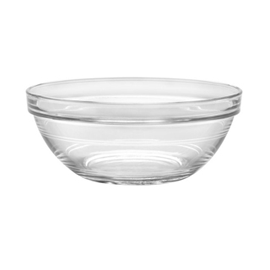
The classic Duralex glass dish is handy to make oil blends and quick perfumes in

The classic Duralex glass dish is handy to make oil blends and quick perfumes in

3. Nourishing Body Oil Blend

For a coat of your body use 3 teaspoons of carrier oil in a little dish and, add 7 – 8 drops of essential oil.

***** Always put the drops of essential oil into the bottle or dish first, then add the carrier oil. It gives the scents time to create a synergistic fusion.

For a 50ml bottle of oil add 25 drops and see my articles “Ratios for Blending Essential Oils – A Reminder of the Basics” and  “Aromatherapy – It’s Easy as 1 2 3”

“Soft Skin”

For beautiful feeling and smelling skin –

Beragmot      3 drops

Lavender       2 drops

Peru Balsam  2 drops

—————————————————————————————————————–

“Don’t Dilly-Dally”

Make a fresh start in the morning to get moving –

Bergamot      4 drops

Lemongrass  2 drops

Eucalyptus    1 drop

—————————————————————————————————————–

“You Will Be Mine”

Become absolutely irrisistable –

Bergamot        3 drops

Jasmine 3%   10 drops  * see my article for more info on 3% blends in jojoba

——————————————————————————————————————

Scent your space

Scent your space

4. Scent Your Space

In a traditional oil burner with a candle or a diffuser add 25 drops of oil

“I Love My Little Space in the World”

Bergamot            15 drops

Cedarwood Atlas   6 drops

Geranium              4 drops

—————————————————————————————————————–

“Let’s Dance”

Yeah!

Bergamot    10 drops

Cinnamon     5 drops

Spearmint     5 drops

Lime              5 drops

—————————————————————————————————————–

Happy blending and remember to use your intention when you are creating your formulas.See my article about intention.

copyright suzanne


Bergamot – Singularly Sensational!

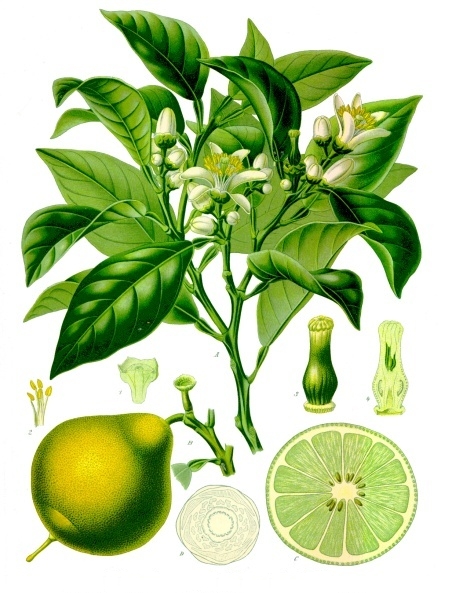
A wonderful botanical illustration of bergamot in Kohler's Medizinal Pflanzen - pic via  en.wikipedia.org

A wonderful botanical illustration of bergamot in Kohler’s Medizinal Pflanzen – pic via en.wikipedia.org

Bergamot, Citrus bergamia, was the very first oil I bought. It’s green citrus scent is fresh and lively and it does wonders for your personality! As you can see from the illustration above it is a green citrus fruit that is not usually eaten, but used for production of essential oils and fragrances. It has a deep history in Europe and was named after a town in Italy – yep – Bergamo. Most of the world’s production still comes from Italy but it is also produced in France and according to Wikipedia, it is produced in Turkey for marmalade.

It’s a funny shaped little green citrus fruit which produces a most appealing and captivating scent. This is an oil you could use with children right through to a grandparent and get great results. And while we are on the subject, it is important to remember not to try and “cure” something with an essential oil, but to use these little gifts of nature to help you change focus, support your emotional well-being and to bring the beauty of the earth into your life. Having said that I bought bergamot essential oil to help with dermatitis I had on my hands and while I can’t exactly remembered if it helped me back then, it introduced me into a world of scented delights. This is a  world that goes beyond any perfume and you only have to compare a whiff of essential oil to a whiff of perfume and see what happens. Essential oils are coded pieces of information that we can turn into experience!

Bergamot - pic via globalhealingcenter.com

Bergamot – pic via globalhealingcenter.com

You can see from the pic the rind is very bubbly with an intense green colour and your essential oil should have a green tinge to it. The oil is high in limonene (which s present in many citrus and lemon scented plants), linalyl acetate and linalool (in lavender), and bergaptene which gives bergamot a warning of being phototoxic. I have a bergaptene free bergamot oil which I use with a client who gets a lot of sun. So from these few constituents you can see that bergamot could be relaxing like lavender, and refreshing like most citrus oils.

A drop of oil can be essential

A drop of oil can be essential

It has become popular over the past few hundred years through perfumery and one of the most famous scents in the world Eau de Cologne, is based on the bitter-sweet citrus oils with other herbs blended into their award winning combination. I wrote an article about my childhood and my grandmother, and Eau de Cologne over at Australian Perfume Junkies about a year ago, so check it out if you feel so inclined.

In aromatherapy bergamot oil is used for many things including –

* as an antidote for anxiety and depression

* as a treatment for anger and frustration (according to Salvatore Battaglia)

* as a mild treatment for cold sores (lemon myrtle works better for this)

* as a digestive and to help stimulate appetite – most citrus oils can make your mouth water when you smell them

* to help with symptoms of eczema and psoriasis

* as a treatment for acne

and

it’s the citrus flavour used in Earl Grey tea which is why a cup of this tea in the afternoon can refresh you and give you a little boost through the afternoon. Always remember the smell of an oil is very important, as we take in the oil through parts of our brain which can then use this information to create positive change in our bodies. So when you are having your next cup of Earl Grey tea remember to take in the scent while you’re drinking it too.

Earl Grey Tea

Earl Grey Tea

Stay tuned and I’ll follow up this article with “10 Recipes with Bergamot”.

copyright suzannerbanks 2013


Sandalwood from India to Australia

Mysore sandalwood now grown in Australia

Mysore sandalwood now grown in Australia

I was recently asked to contribute to an article called “Sandalwood Dreams” appearing as an 8 part series by perfume officiando and writer Jordan River.

It started with a surprise present in the post via my friend and perfume blogger Portia Turbo from Australian Perfume Junkies. I was happy to open the package to find a cute little bottle of sandalwood oil and a beautiful colour brochure, almost a book! This was a sample of Santalum album, commonly known as Indian sandalwood or Mysore sandalwood. The big difference is that this Indian Sandalwood is grown in Australia, from seeds obtained from India, and it packs a powerful punch. This oil is now being offered by one of my trusted suppliers and it’s more expensive than the Mysore sandalwood has ever been, however it’s now sustainable and offers the world a great solution to the previous shortage.

Click here to access Jordan’s magnificent series on this wonderful oil grown in Australia.

I appear in Part 7 which is titled “What Does It Smell Like?” that also asks other experts on the scent of Indian sandalwood grown in Australia.

Australian Sandalwood - pic via www.australian-aridlands-botanic-garden.org

Australian Sandalwood – pic via http://www.australian-aridlands-botanic-garden.org

I have also previously written about the two types of sandalwood on Australian Perfume Junkies (so click here for the original story, with excerpts from the story below):

An essential oil from a wood can draw us in to world of intrigue and secrets, ancient knowledge and divine scent. Wood oils bring an oil formulation together and can be considered “grounding” and “centering” – due to the fact the tree roots delve deep into the earth. Oils from woods have been used for thousands of years in sacred ceremonies, embalming techniques and in traditional healing. Cherish these beautiful gifts from nature.

Today most oils come from renewable plantations but in the case of Sandalwood we have seen a decline in the tree population for many years. Indian Sandalwood has been over farmed, which has led to a crisis in the industry and in our forests. Illegal felling of young trees has also led to more stringent controls from the Indian government to help sustain production long-term. This is the one driving factor in the huge price increase in the last 10 years, and is also the reason why the Australian Sandalwood industry is booming.

Australian sandalwood - pic via watoday.com.au

Australian sandalwood – pic via watoday.com.au

The Indian type “Santalum album”, and the Australian sandalwood “Santalum spicatum” have similarities but are wonderful in their differences. The Indian wood is the classic deep, sweet exotic scent that we have come to know and love and in the Australian oil, you can actually smell the bush. It really is beautiful. I use both oils, and both are considered to be premium oils and are more expensive than common oils.

Traditionally Sandalwood has been used for spiritual ceremonies and the spread of the use of this oil is claimed to have come hand-in-hand with Buddhism. If anyone has been to India you would know the widespread use of the scent in incense and temples, in soaps and perfumes.
It is used therapeutically to treat acne, urinary disorders and infections and as a nervine tonic to ease stress and anxiety.

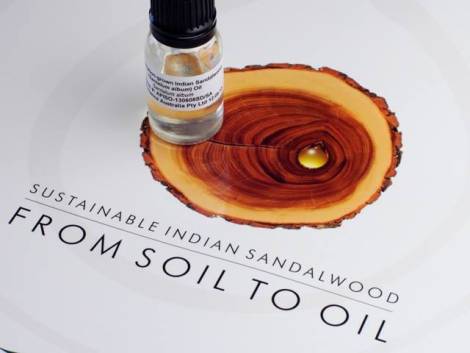
Sandalwood and oil - pic via www.fengshuidana.com

Sandalwood and oil – pic via http://www.fengshuidana.com

There is also an oil produced called West Indian Sandalwood but this tree comes from a different species and is sometimes called amyris oil. I’ve never used this oil, and have never seen it anywhere. It apparently has a slight sandalwood scent (hence it’s name) and is used in perfumes and fragrant body products.


Sandalwood is an oil for softening the edges in your life. Breathe it in and you wont be disappointed.

copyright suzannerbanks 2013


Marjoram – A Must-Have Essential Oil for the Scent Enthusiast

Marjoram is a dainty herb with a big scent - pic via thelastrevelation.com

Marjoram is a dainty herb with a big scent – pic via thelastrevelation.com

Ah marjoram. I’m not sure if I’m addicted to this very strong, herbaceous, hardy oil but rarely a week goes by that I wont use this with clients, friends or myself.

I have written an article generally on the herbs “Essential Oils from Herbs are Spectacular”, but I think we may need to go deeper into each one.

We’ll start with marjoram because I just felt like talking about it. Often when I go to have my treatment, my aromatherapist also uses this oil frequently with me as it has some great indications for the body and spirit too (of course)!

Marjoram (Oreganum marjorana) belongs to the herb family called Lamiacae, and the genus of Oreganum. It may now be more obvious why marjoram and oregano (Oreganum vulgare)  look very similar and sometimes it’s hard to tell the fresh herbs apart from each other.

Great pic comparing oregano and marjoram - pic via cookthink.com

Great pic comparing oregano and marjoram – pic via cookthink.com

Herbs are the ancient medicinal healers of our world and when I make a blend for a client that has a few herbs in it I always say to myself silently “ah the herbs’ and feel like I’ve created a very traditional therapeutic blend. This herb was used by the ancient Greeks and according to Salvatore Battaglia, the name marjoram means “joy of the mountains”. Aw lovely!

In aromatherapy marjoram is used for:

* aching and sore muscles

* general body pain

* as a warming tonic

* to help someone deal with grief

* to help with falling asleep

* to counteract stress

* as a sedative for distraught emotions

* generally for calming and soothing

* to reduce coughing

I use marjoram for all these things too, and particularly love the way it blends so well with all the other oils. I like marjoram and use it a lot along with lavender because they are so beautifully calming. Who doesn’t want to chill out when they have a massage? We all need a little help de-stressing from the ups and downs of daily life so in this respect it’s a great oil.

a client's oil formulation

A client’s oil formulation with marjoram

Here are a few recipes –

1. Nourishing Body Oil Blend

For a coat of your body use 3 teaspoons of carrier oil in a little dish and, add 7 – 8 drops of essential oil.

***** Always put the drops of essential oil into the bottle or dish first, then add the carrier oil. It gives the scents time to create a synergistic fusion.

For a 50ml bottle of oil add 25 drops and see my articles “Ratios for Blending Essential Oils – A Reminder of the Basics” and  “Aromatherapy – It’s Easy as 1 2 3”

“Release the Day”

Release the stress of the day by putting this all over your body after a shower –

Marjoram   3 drops

Bergamot  4 drops

————————————————————————————————————————————–

 “Oh My Aching Legs”

Apply to aching legs and rest with your feet elevated –

Marjoram     4 drops

Lavender      2 drops

Rosemary     2 drops

(ah the herbs)!

————————————————————————————————————————————–

Anoint yourself with pure essential oils

Anoint yourself with pure essential oils in a little carrier oil

2. Pure Pulse Point Perfume

In a little dish mix these oils and anoint your pulse points or chakras – 3 drops of essential oils and dilute with a few drops of carrier oil – always patch test first!

“I’m Ready for You Now Sleep”

Induce relaxation –

Marjoram     2 drops

Neroli 3%    3 drops  * see my article for more info on 3% blends in jojoba

————————————————————————————————————————————-

“Phew I’m Glad That’s Over”

Marjoram       1 drop

Rosewood     1 drop

Lemongrass   1 drop

————————————————————————————————————————————–

Happy blending and remember to use your intention when you are creating your formulas. See my article about intention.

copyright suzannerbanks 2013

Spikenard – an Essential Oil with a Rich History and a Heady Scent

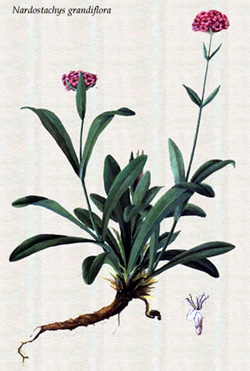
Nardostachys grandiflora or Nardostachys jatamansi pic via www.medievalcookery.com

Nardostachys grandiflora or Nardostachys jatamansi pic via http://www.medievalcookery.com

In a recent article I included spikenard in one of my recipes – see The Hierophant – A Tarot Card Reading with Essential Oils. It is commonly called spikenard, nard and the Indian name jatamansi (which is what I call it in my mind).

When I posted the link on my Facebook page one of my friends read the article (thanks Jason), and wanted to know more about this oil. My brief comments went something like this:

It’s an oil of the bible and the story is that Mary used this to bathe Jesus feet, and it was said to cost as much as a year’s wages. It has history in other religions and appears connected to the first and second Temples of Jerusalem. Used in Ayurveda it’s great for healing and a deep connection to spirit.

So that is a quick look at the oil and I thought I’d elaborate because it’s so amazing. This is a strong oil and belongs to the same family as Valerian, Valerianaceae. I must say I’ve never used Valerian oil in my practice, as even the scent of Valerian tea is super strong and if you’ve ever taken an herbal sleep formula with Valerian, you can smell it as soon as you open the bottle!

So spikenard has the same deep, base, intensity that valerian has, and also the vetiver root (even though vetiver is more like a grass). As with vetiver oil, the rhizomes of the spikenard plant hold the essential oil. It’s sweet, heavy and almost syrupy as it flares out of the bottle. One or two drops is enough in any formula to invoke the meta-physical properties of the oil, and to bring an oil blend together and give it substance.

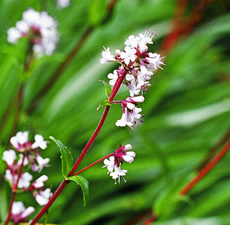
spikenard flower - pic via www.rkessentialoil.com

spikenard flower – pic via http://www.rkessentialoil.com

As with many essential oils, the plants have been used for centuries for both healing and  religious and spiritual ceremonies. We are relying on ancient texts to illuminate us on the uses of these plants and also the scholars who translate them. It is always fascinating to me that thousands of years ago great healers knew what the plants were good for even though they had no scientific means of measuring their components. So is this intuition, trial and error, or a combo of both? However we look at it, it is a gift from the universe and our modern medicine would be nowhere today without this ancient knowledge.

There is so much to write about here I’ll just touch on the most interesting references to this oil. Said to have been used in the Temple of Solomon, the First Temple of Jerusalem (circa 800 BC)  and the Second temple (circa 530 BC onward to about 70 BC), in the incense called Ketoret mentioned n the Hebrew Bible and other texts. Ketoret is also very similar to the Egyptian incense called kyphi too which was recorded in the Pyramid texts dating back to 2300BC. Also talked about in the Bible, as mentioned above, this plant was used in Greek and Roman healing and ceremonies, and even used in medieval cookery. And as jatamansi, it’s been used in Ayurveda for thousands of years too, especially for grounding Vata, helping digestion and and as a heart tonic.

spikenard - pic via www.aroma-pure.com

spikenard – pic via http://www.aroma-pure.com

Ok so what is spikenard used for in modern Aromatherapy?

* as a calming tonic for someone freaking out (as is valerian and vetiver)

* to induce sleep

* to act as a calming digestive tonic

* as a wound healing oil by acting as a anti-bacterial agent and also an anti-inflammatory

* as an oil for meditation to induce a soothing, calming energy to connect to higher consciousness

* as a base oil to bring an oil blend together

* to stimulate hormone production

* for mature and dry skins

When you use this oil, use it sparingly like you would do with Vetiver. The secrets of the universe are encoded in every drop of oil!

copyright suzannerbanks 2013

Palmarosa – Soft Skin and Happiness

palmarosa pic via choicehealthmag.com

palmarosa pic via choicehealthmag.com

I’ve used this lovely oil with clients a few times in the past couple of weeks. It blends well with so many oils and adds a green, fresh and slightly rosey scent to a formula. This is a relative newcomer to aromatherapy and doesn’t really have a rich colourful history like the spice oils, but is a wonderful addition to a collection. This gorgeous grass originally hails from India and is sometimes known as East Indian geranium. It’s also grown in Madagascar and the Comoro Islands. Although I can’t really find out a lot about this lovely oil I assume, like lemongrass, it has been used in India as a part of their Ayurvedic lifestyle and natural way of treating disorders in the body.

Palamarosa (Cymbopogon martini) is a grass like lemongrass and citronella, and belongs to the same family – Graminae (or Poaceae). This is the family of ‘true grasses”. There’s also a gingergrass plant that creates an essential too, and that is quite close to palmarosa as it is a variation of the plant – Cymbopogon martini var. sofia. One of my suppliers offers gingergrass oil and although I don’t use it therapeutically is has a beautiful soft scent. Maybe I’ll do a story on that oil soon.

Back to palmarosa – which is an oil often used in cosmetics and soaps to enhance the scent and add an inexpensive rose scent to the product.

Rosa centifolia - another rose used to make essential oil

Rosa centifolia

I’ve always used palmarosa as a skin conditioning oil and one of it’s main components is geraniol so that may give you a hint too, as geranium is a great oil for the skin. However it’s interesting to note that geranium only contains about a third of the amount of geraniol than palmarosa! And while we are on the geraniol track, lemongrass has a high content of geranial – a different molecule with slightly different carbon bonds (with a similar function).

In aromatherapy today palmarosa is used for

* hydrating the skin and hair

* as a stimulant for skin cell growth therefore working well on scar tissue and the uneven appearance of skin

* as a tonic to the digestive system

* as an insect repellent – just like lemongrass and citronella

* I use it as an oil for happiness and for flexibility in the emotions and thoughts

Try these combo’s –

Scent your space

Scent your space

1. Scent Your Space

In a traditional oil burner with a candle or a diffuser add 25 drops of oil

“Aperitif”

Get your house in the mood for a lovely dinner

Palmarosa      10 drops

Mandarin         8 drops

Juniper            7 drops

—————————————————————————————————————————————

“I’m Going to be Flexible on this Issue”

Palmarosa      8 drops

Rosemary       5 drops

Geranium       5 drops

Siberian Fir     7 drops

—————————————————————————————————————————————

nourish your skin with oil blends

peru balper nourish your skin with oil blends

2. Nourishing Body Oil Blend

For a coat of your body use 3 teaspoons of carrier oil in a little dish and, add 7 – 8 drops of essential oil.

***** Always put the drops of essential oil into the bottle or dish first, then add the carrier oil. It gives the scents time to create a synergistic fusion.

For a 50ml bottle of oil add 25 drops and see my articles “Ratios for Blending Essential Oils – A Reminder of the Basics” and  “Aromatherapy – It’s Easy as 1 2 3”

“Sweet and Soft”

Soften up your skin and add a little sweetness –

Palmarosa      3 drops

Peru Balsam   3 drops

Lavender       2 drops

—————————————————————————————————————————————

“Gettin’ Vibed Up”

An oil blend to refresh and send you into the day with gusto –

Palmarosa     2 drops

Cinnamon     2 drops

Lemon          2 drops

—————————————————————————————————————————————

Happy blending and remember to use your intention when you are creating your formulas. See my article about intention.

copyright suzannerbanks 2013